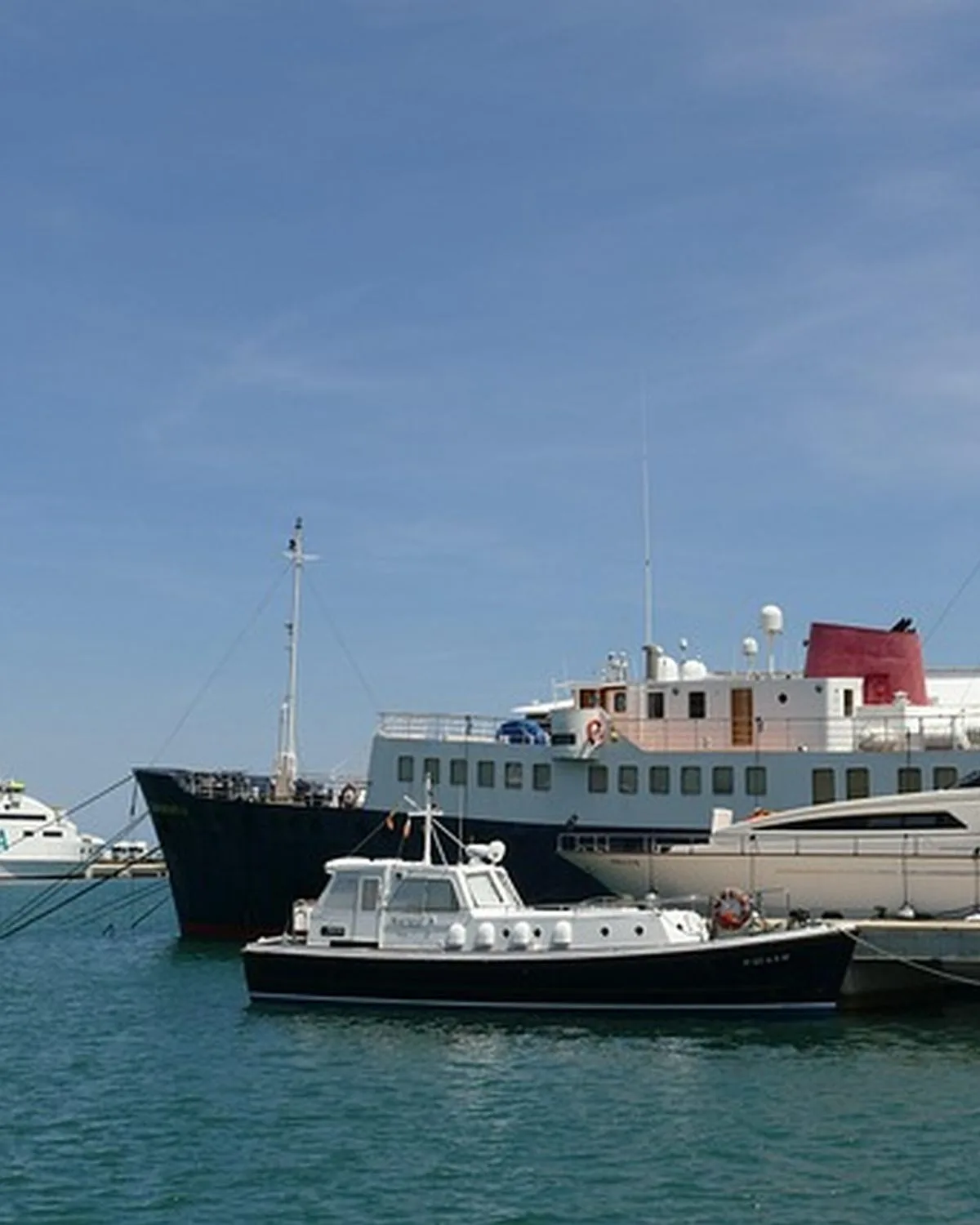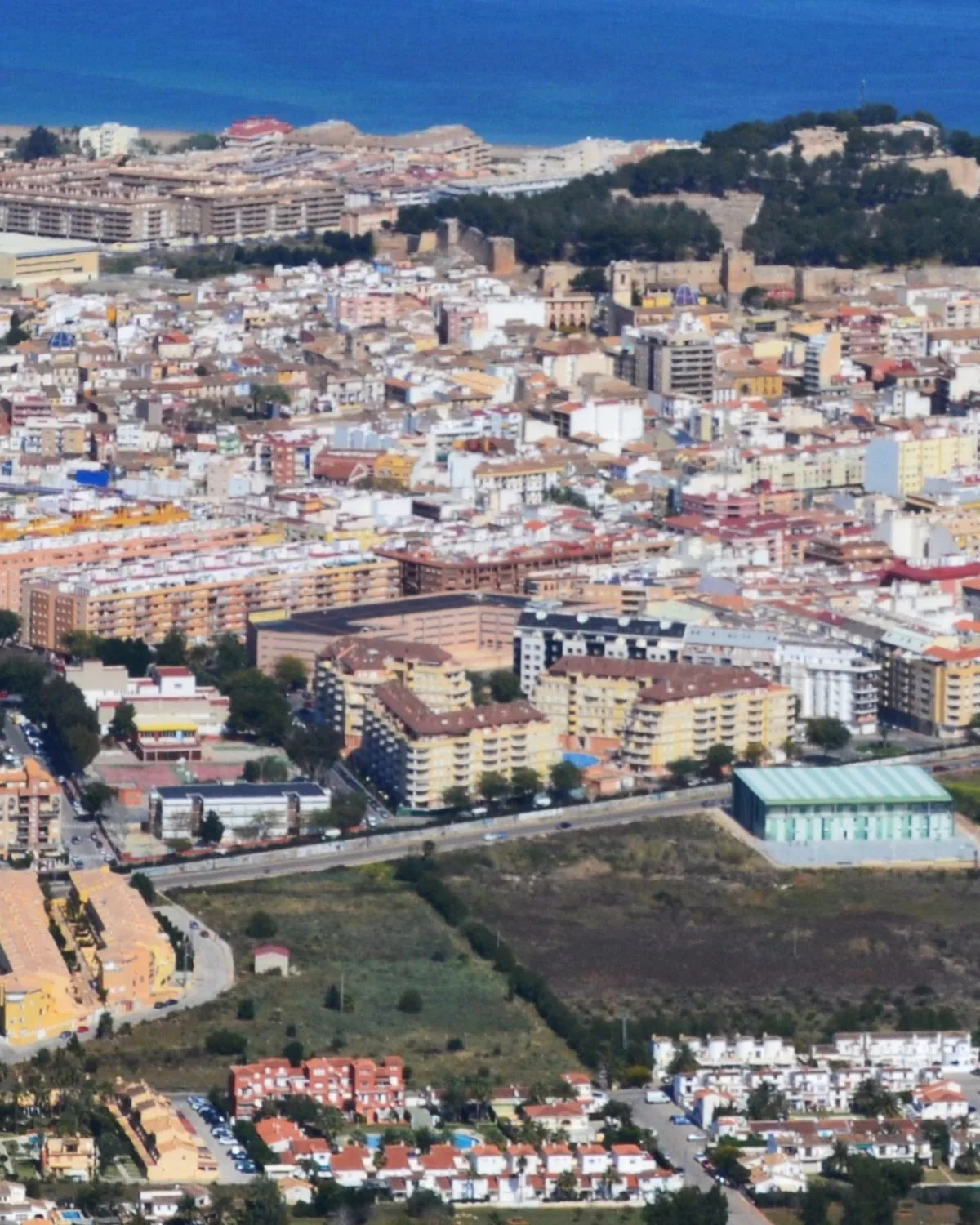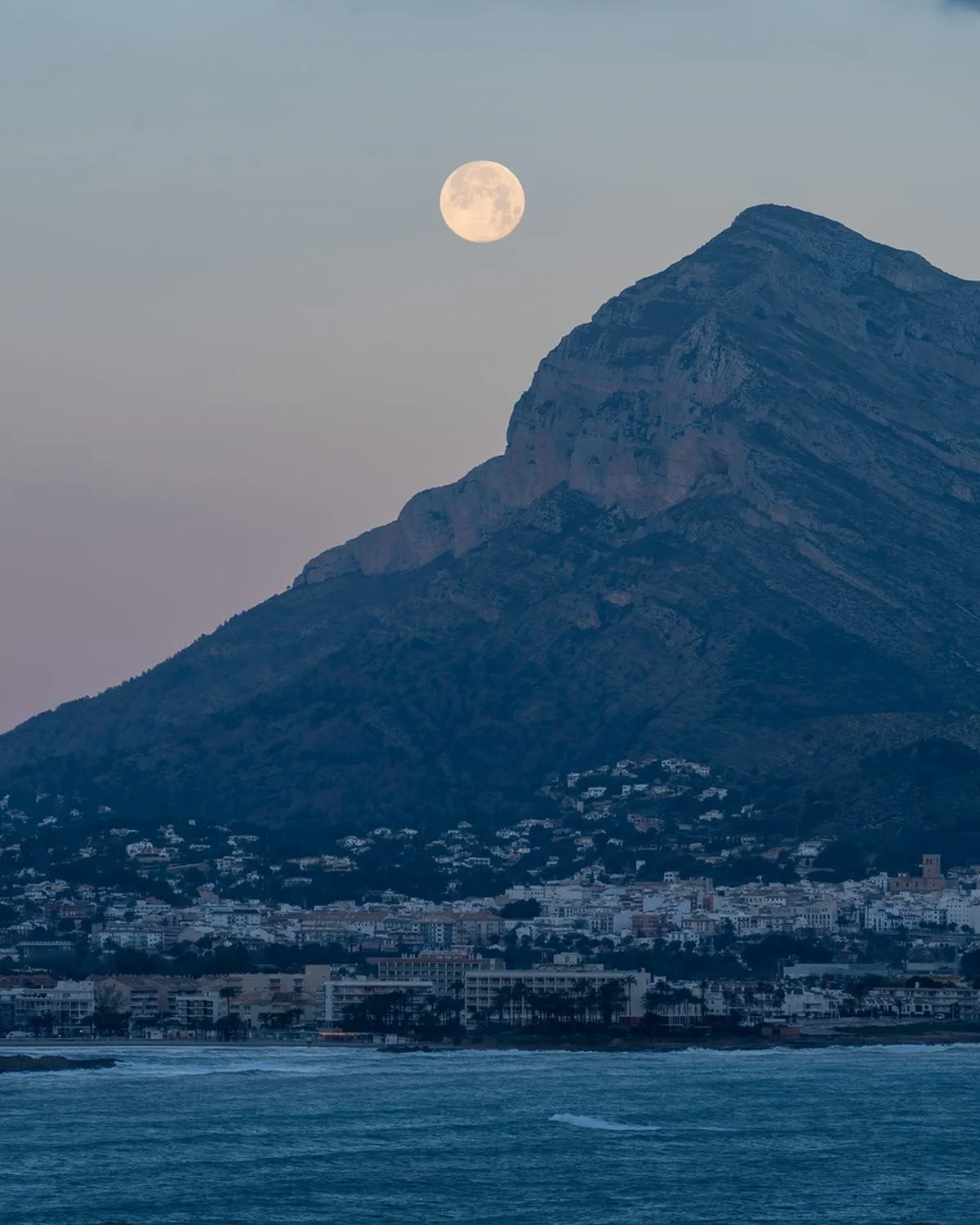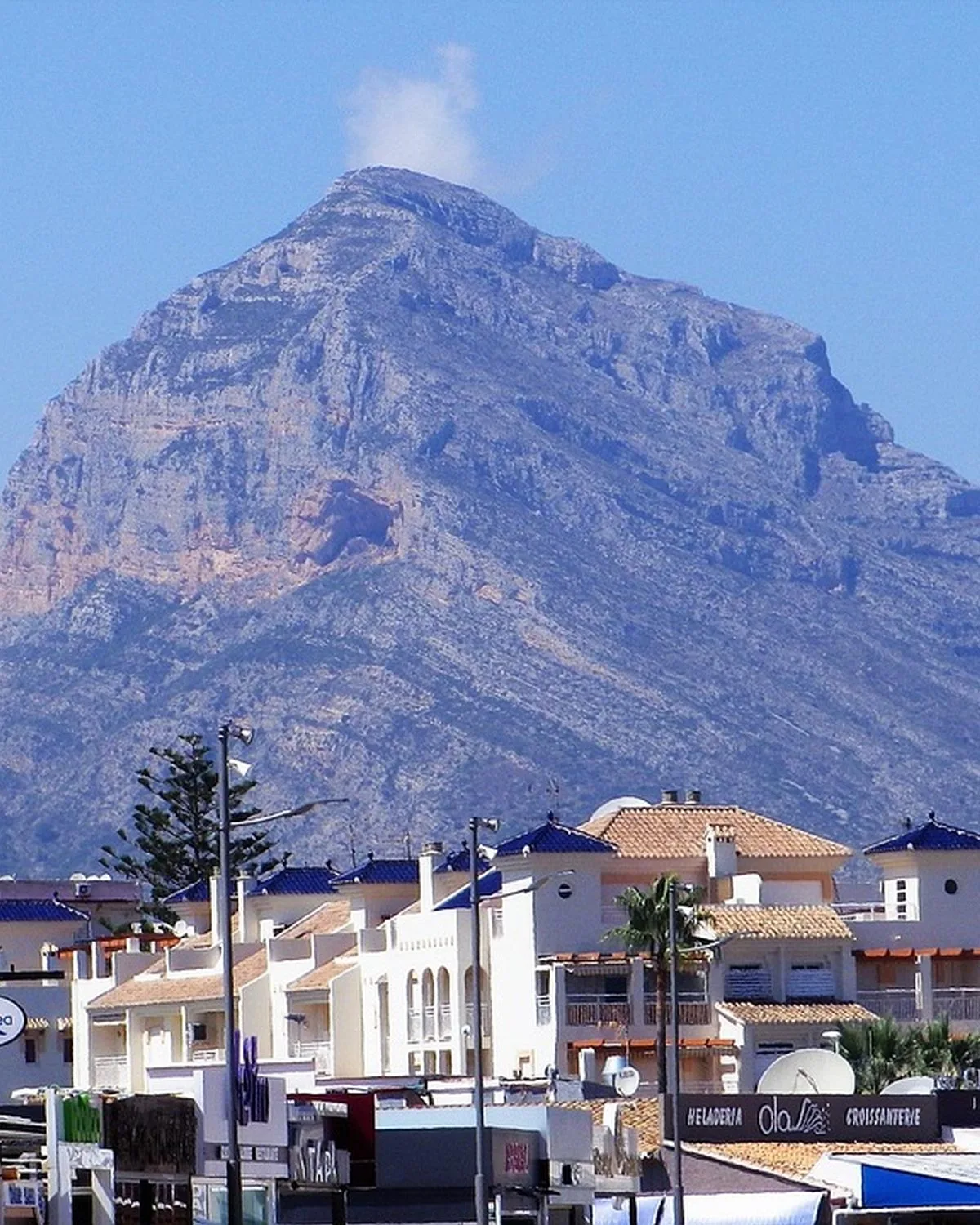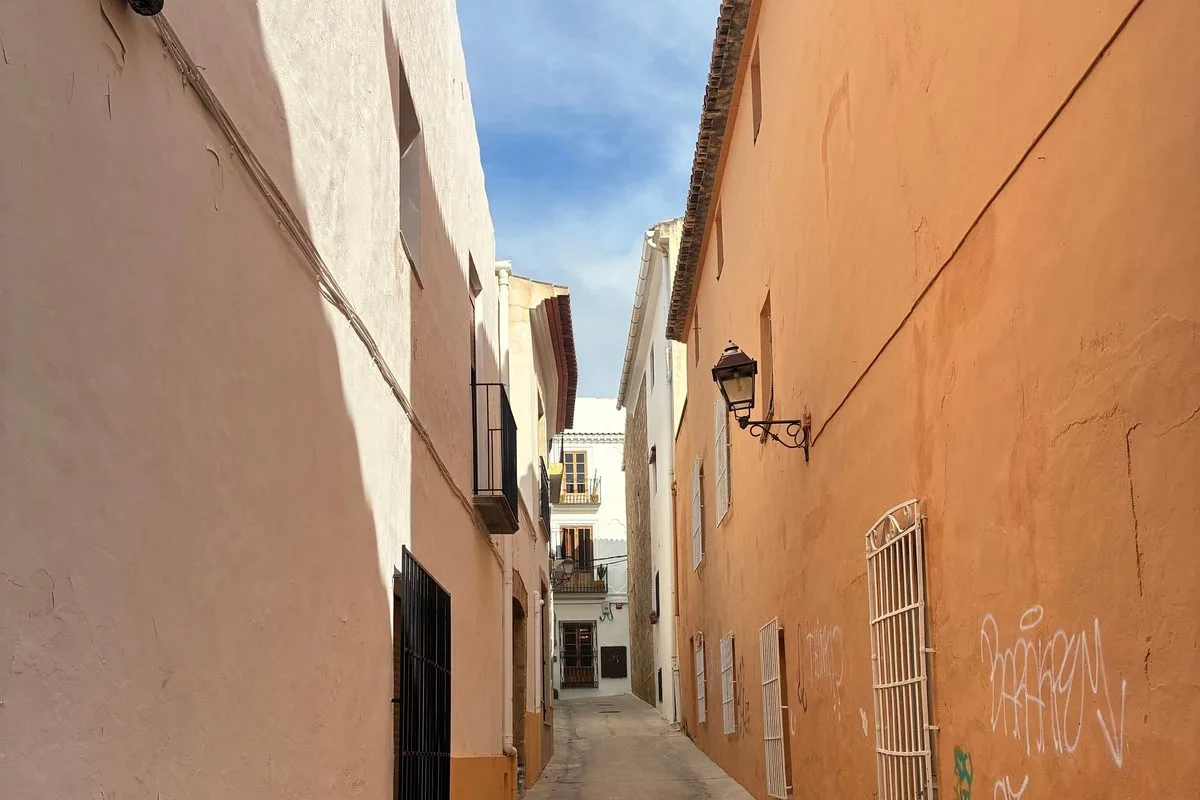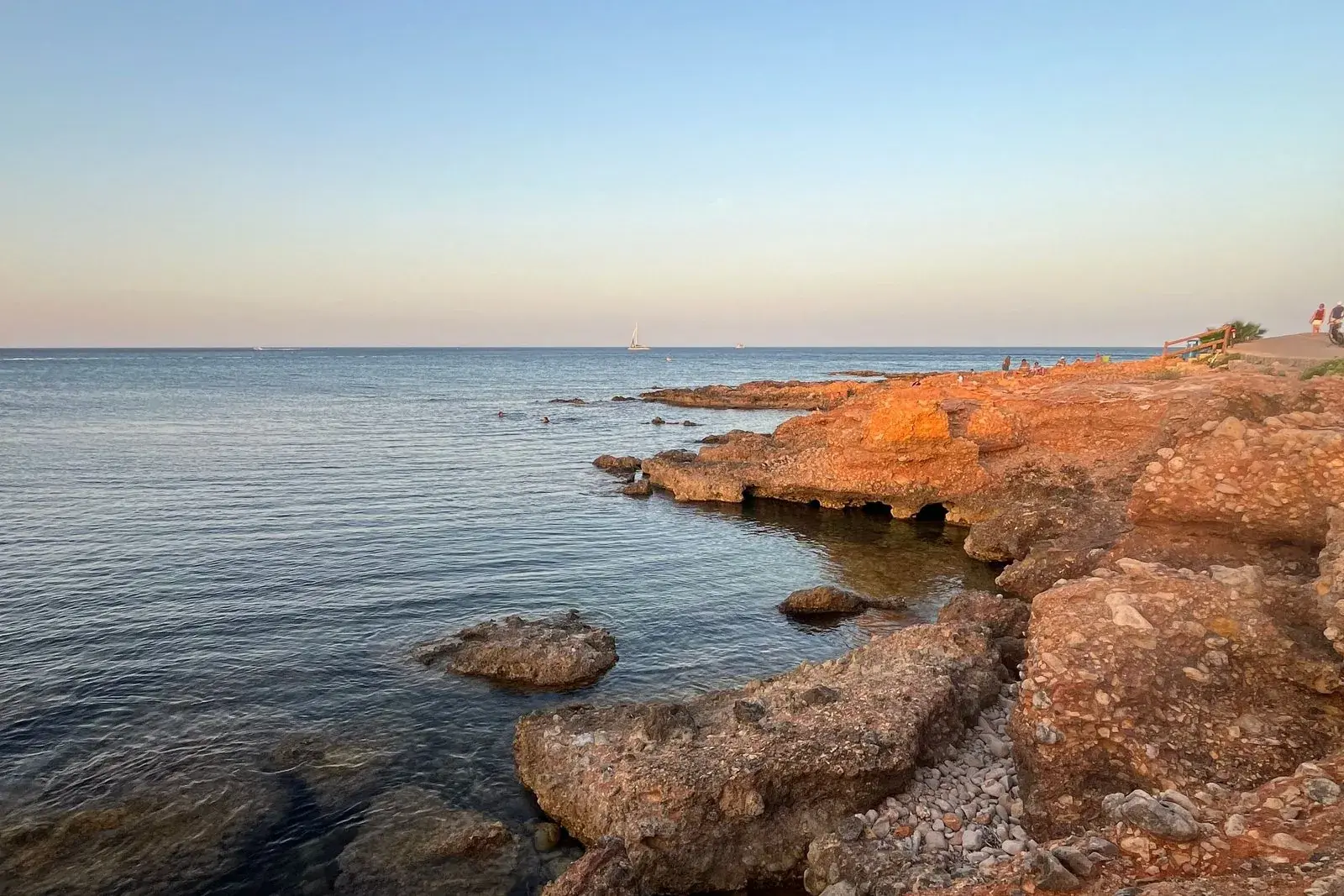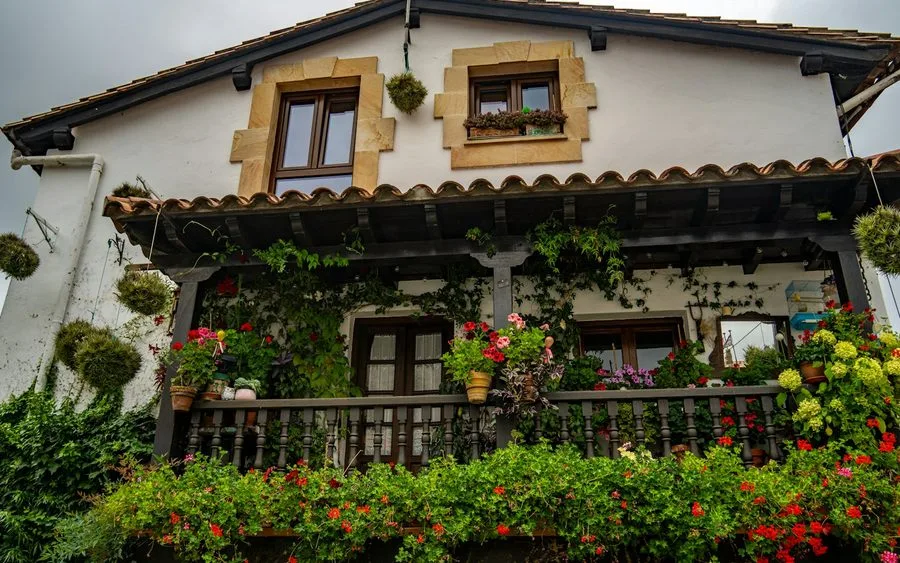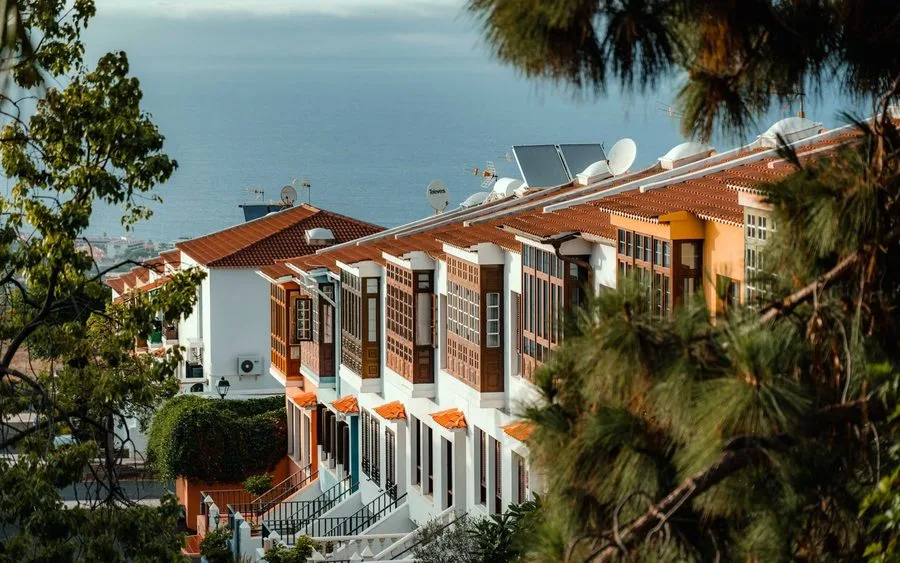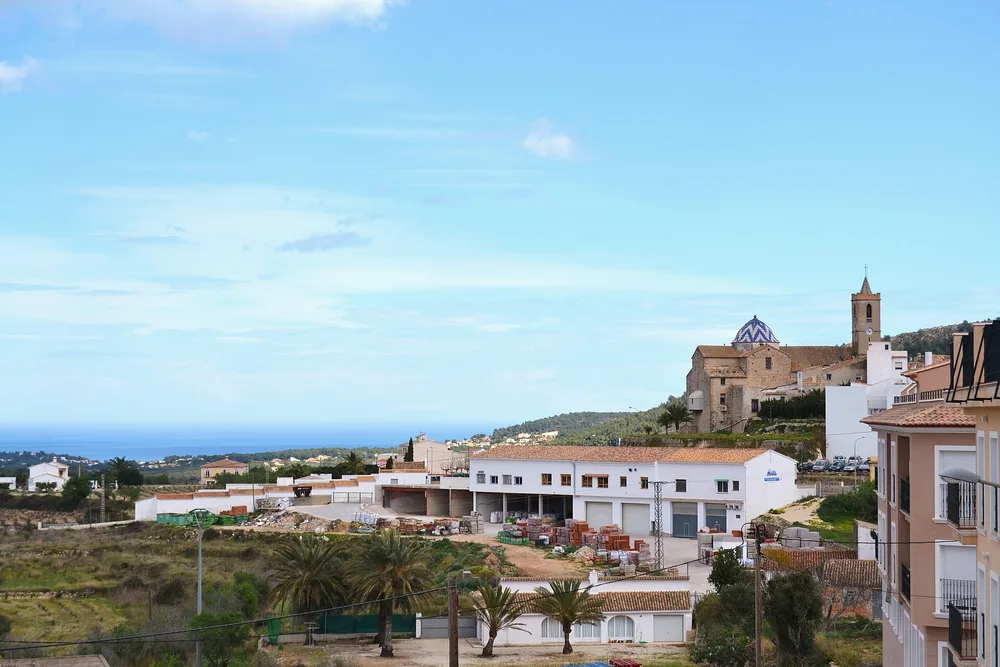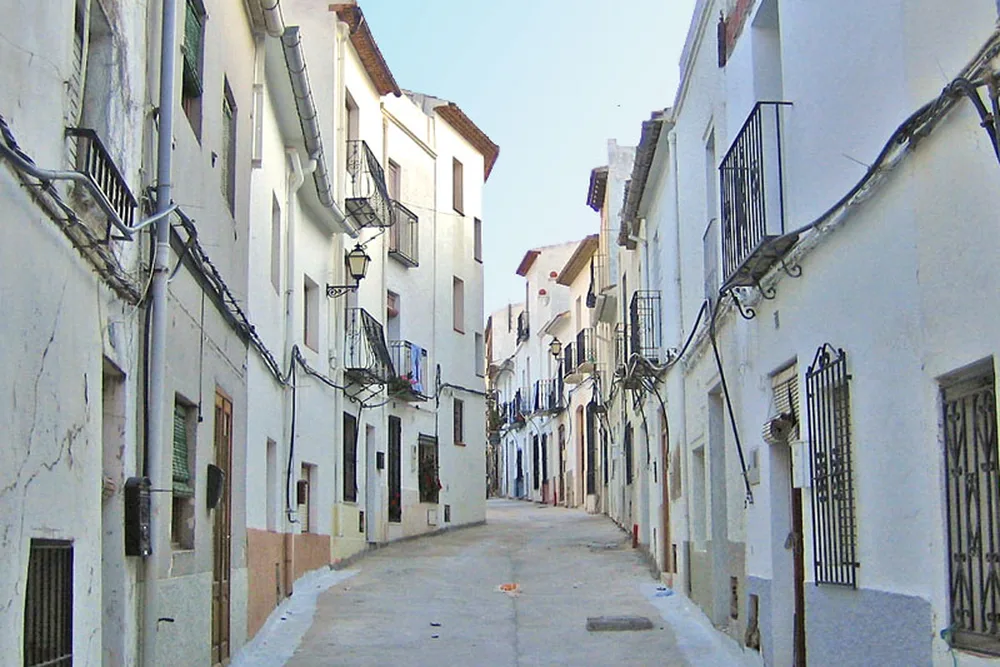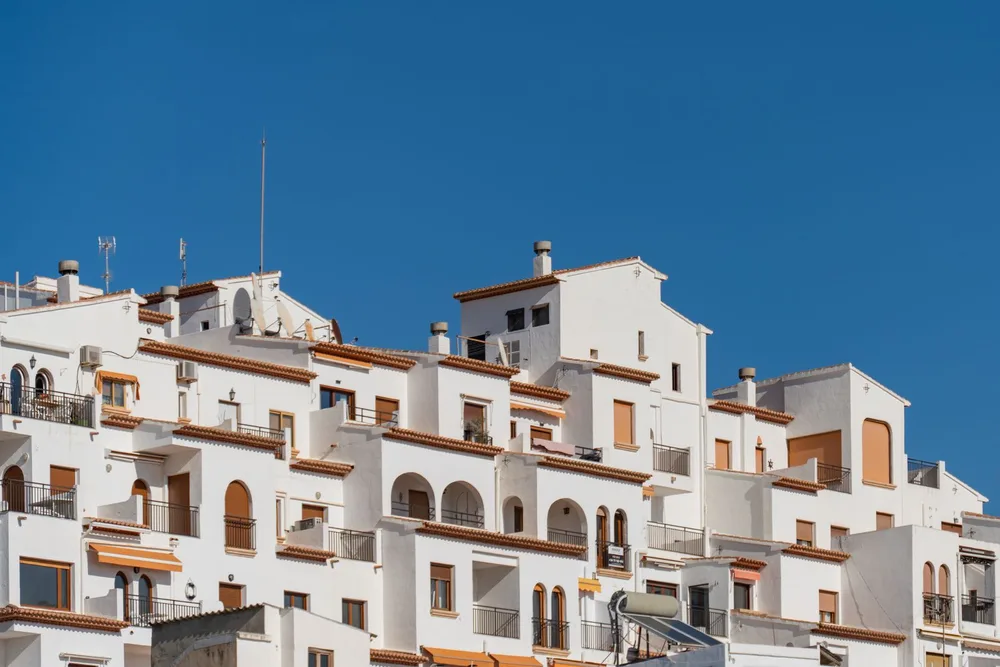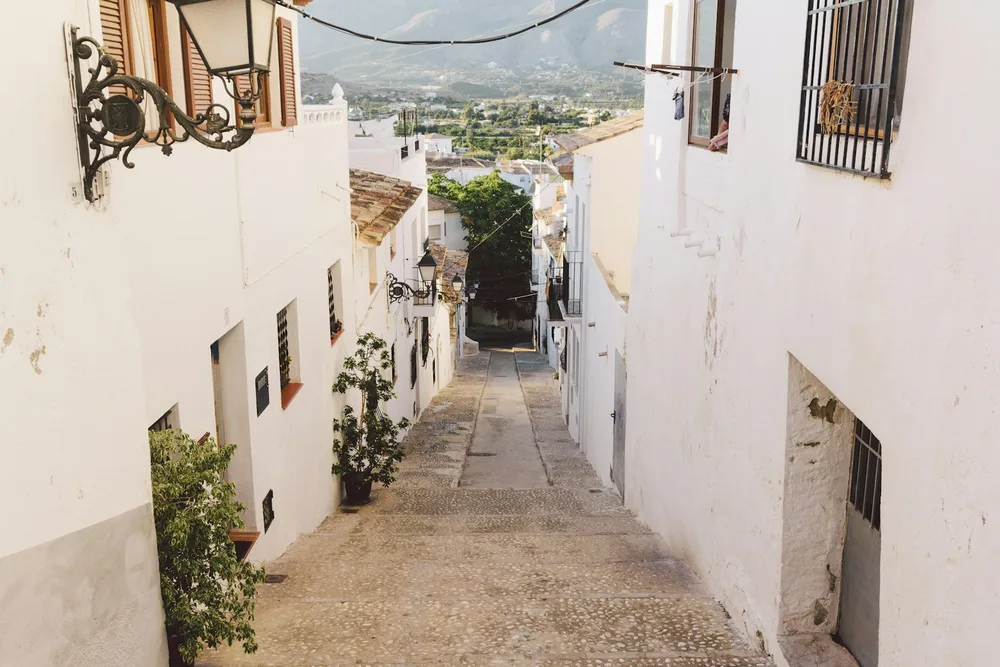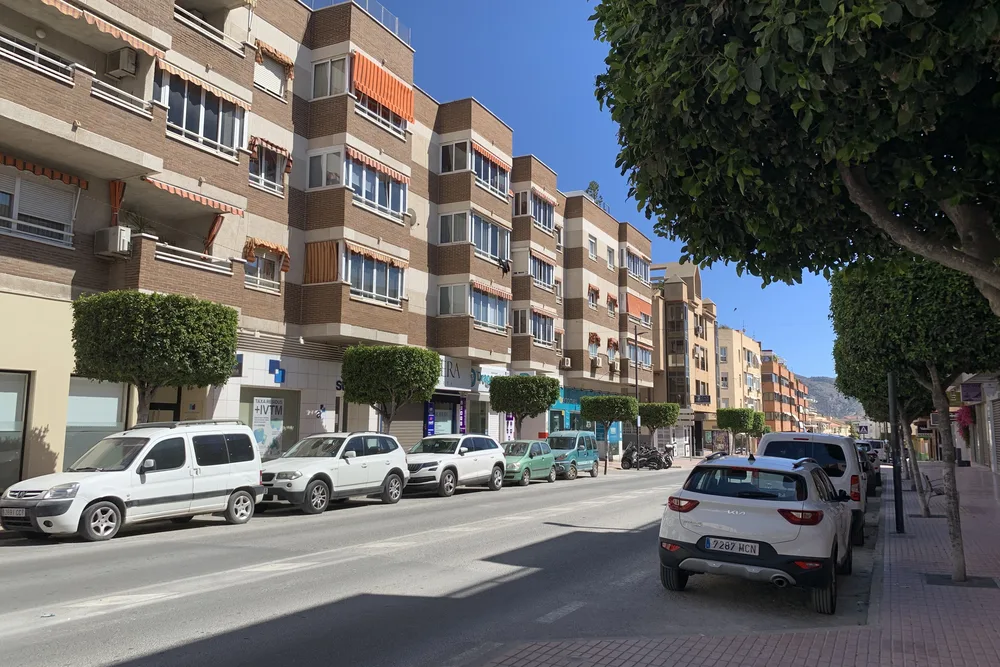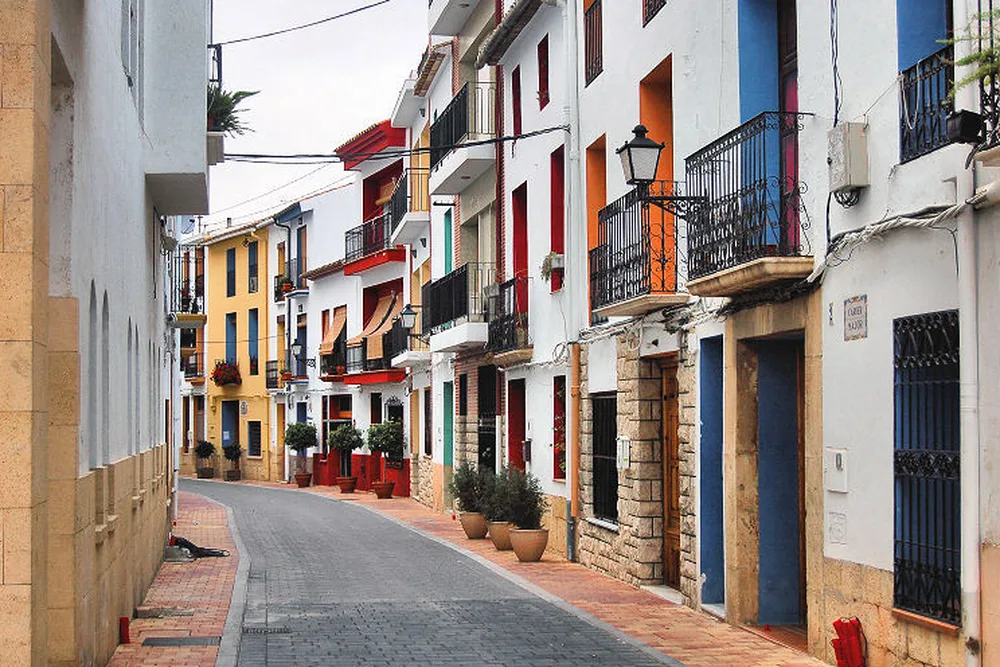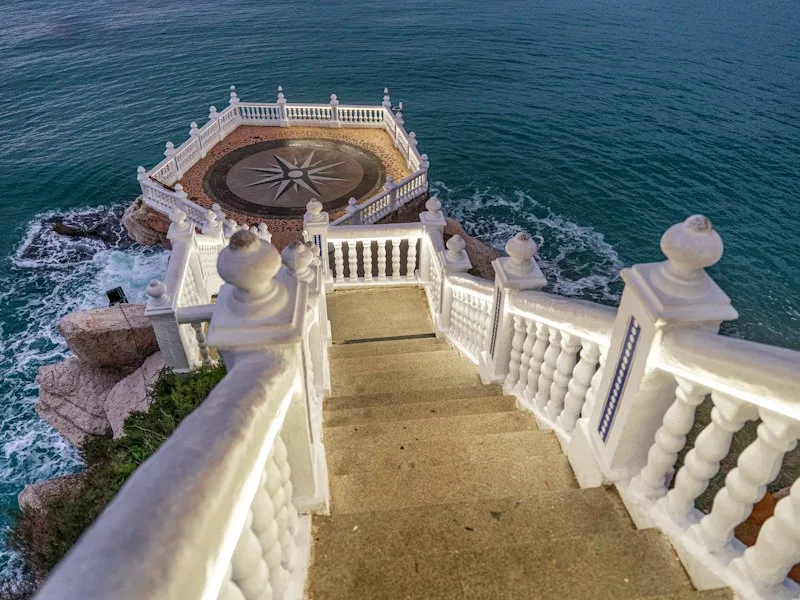
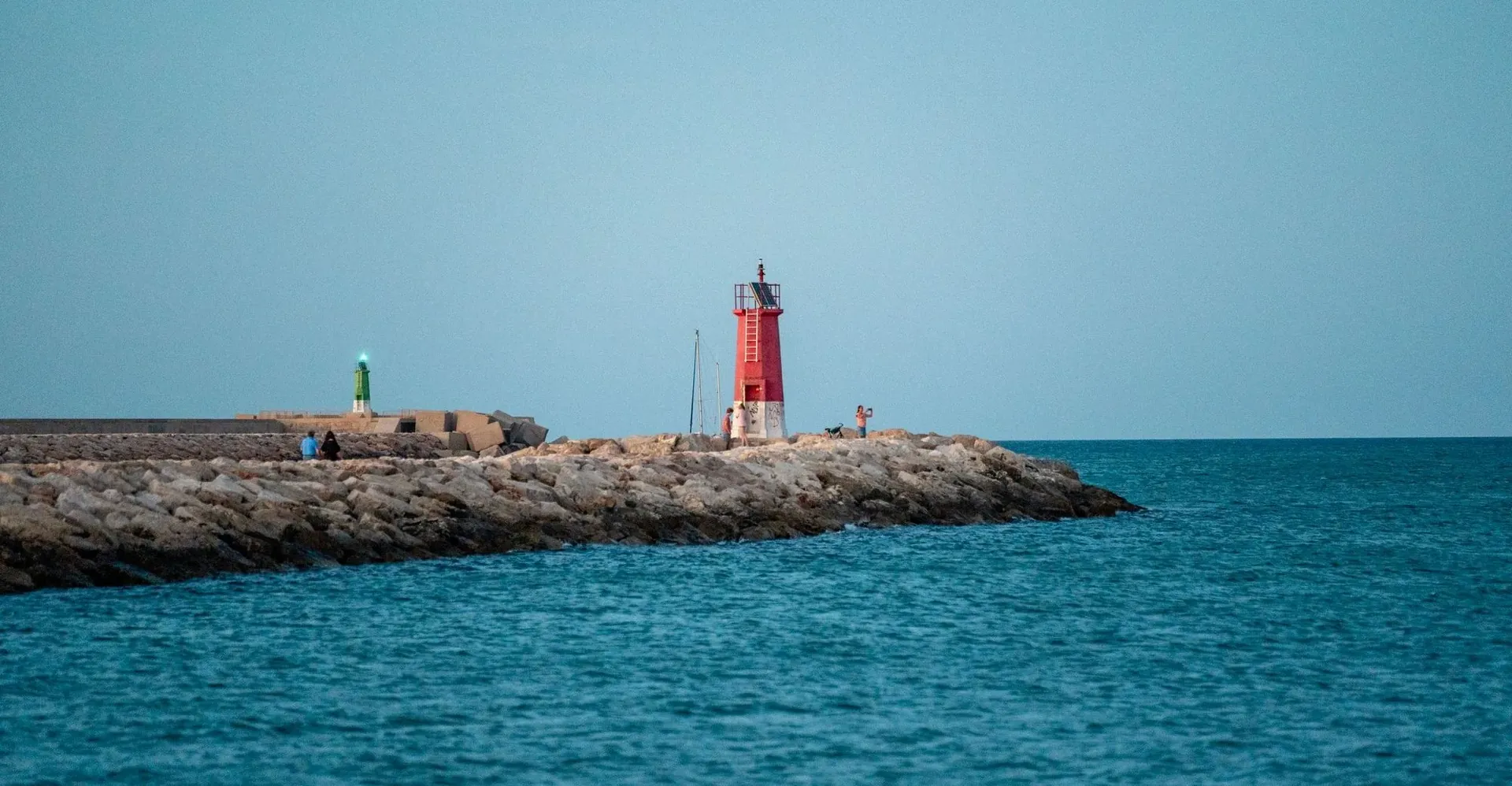
The castle of Dénia above the old town with the Montgó in the background

Costa Blanca North · Dénia · Penthouses

Penthouses for Sale in Dénia

Penthouses with two landmarks in view: the castle above the old town and the Montgó behind it. Top-floor homes line the Les Marines coastal strip and the port — established resale with a small number of new-build developments, north of Jávea.

Prevalence

How prevalent are penthouses in Dénia?

Penthouses are a visible but niche part of Dénia’s apartment market: the municipality does not publish a census of penthouses, the “ático” label is a listing category, not a guarantee that every terrace or solarium is registered as private property, and the visible supply covers everything from a top floor with a balcony to a duplex with a broad solarium. The distribution reflects the local building types: Dénia’s 2026 municipal tourism ordinance describes the urban centre as densely built blocks and buildings sharing party walls, the Marines–Deveses area as predominantly freestanding apartment blocks, and Les Rotes and El Montgó as mainly detached-house areas. Penthouses are therefore most likely to be found in the centre, around the port and along the Les Marines coastal strip — while in Montgó and Les Rotes, availability must be assessed building by building. These areas also differ in character: walkability, harbour and castle in the centre, beach access and communal facilities in Les Marines, and peace and natural surroundings on the outskirts.

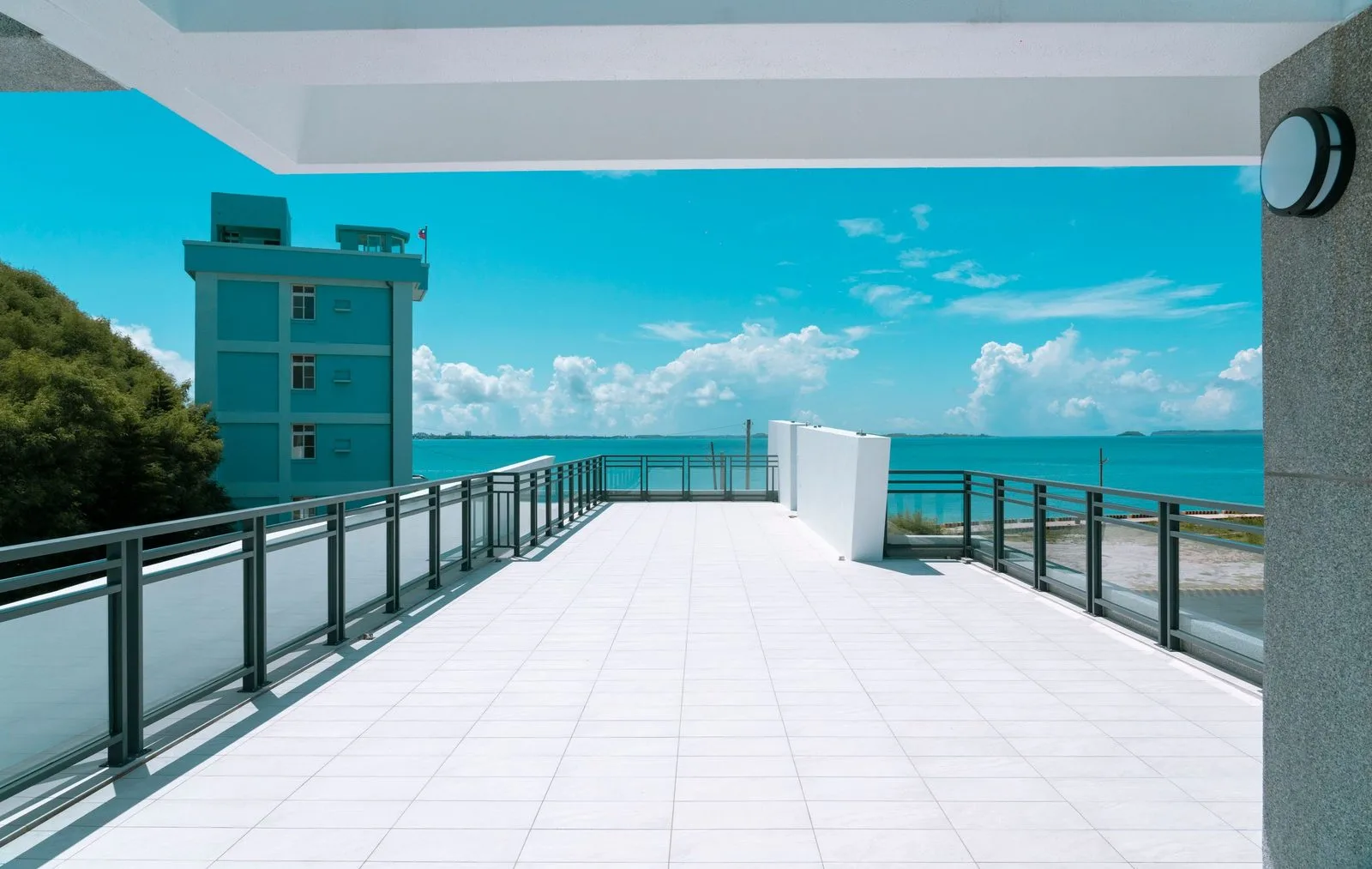
An empty rooftop terrace with a glass balustrade and white tiles, overlooking the sea

What a typical penthouse in Dénia is like

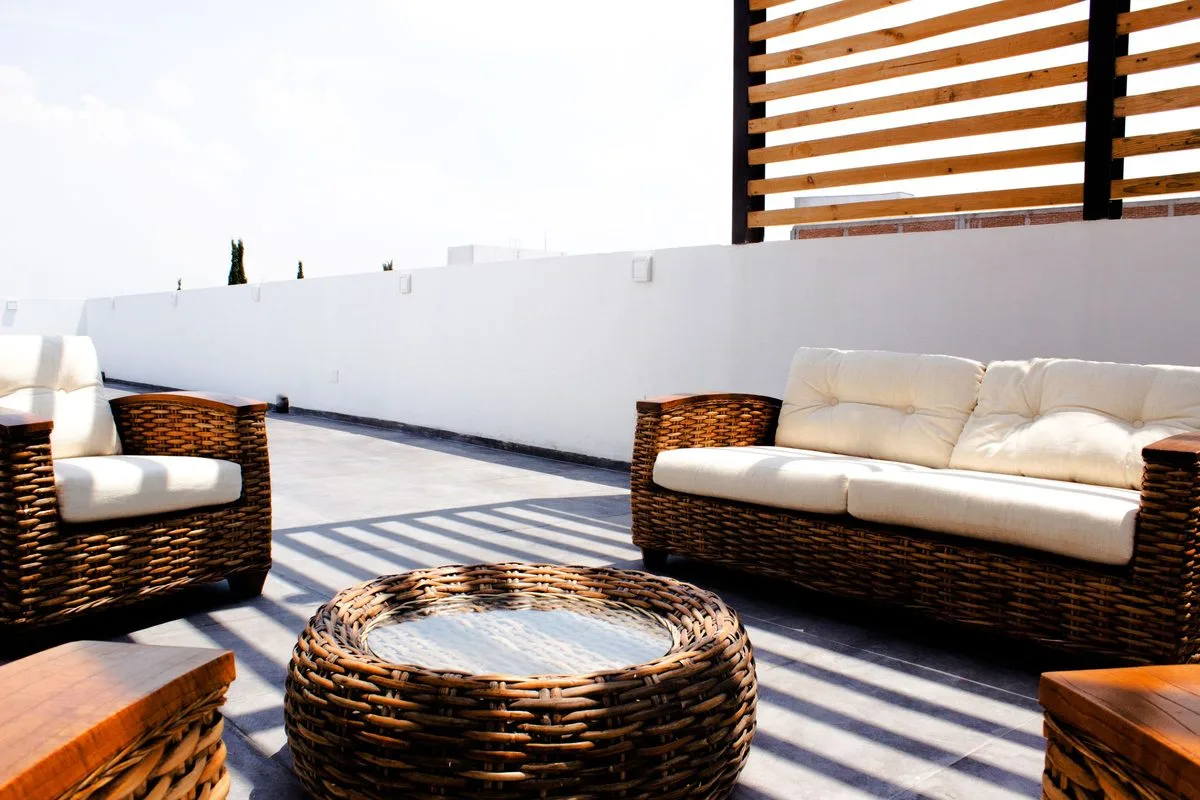
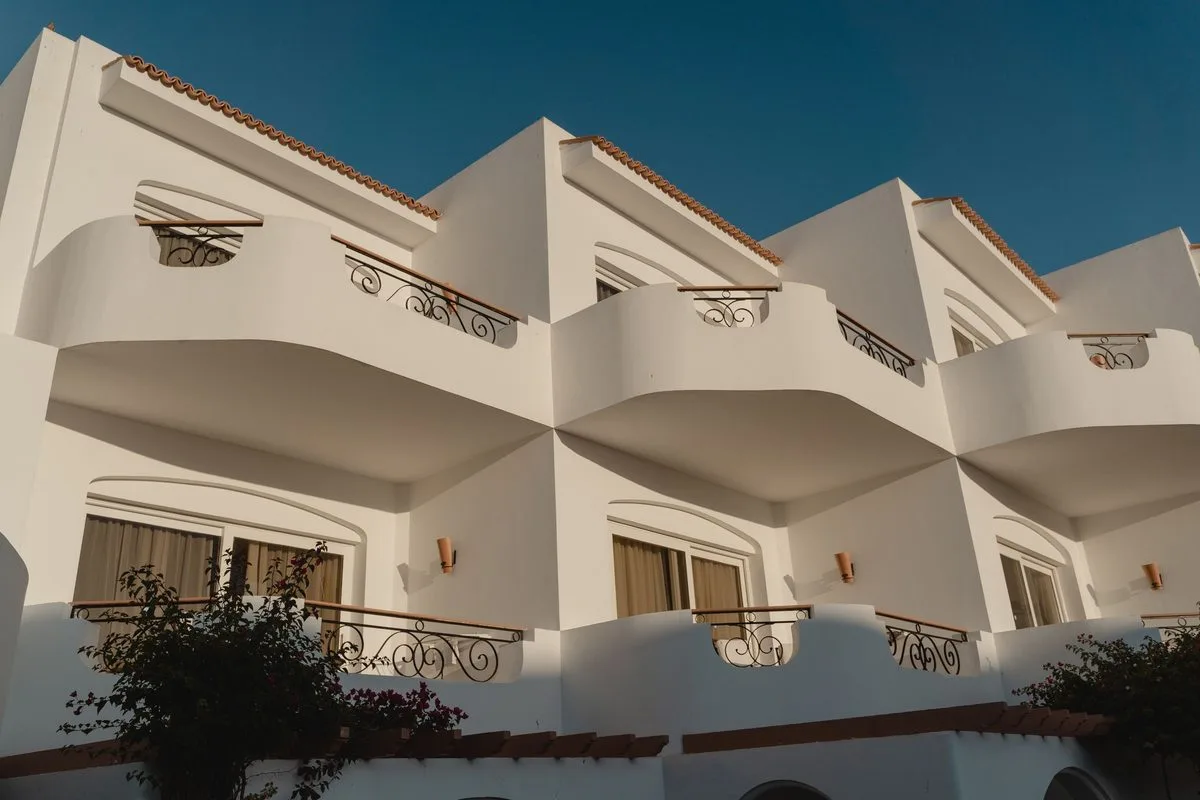
A Dénia penthouse is usually a top-floor flat or duplex — occasionally with a rooftop room or solarium on top — with the terrace as its main feature, and lift access in many but not all buildings: the “ático” label on property portals also covers second- or third-floor units without a lift, which is exactly why access is verified building by building. Newer or resort-style complexes in the coastal strip add communal pools, gardens and underground parking. The stock ranges from established resale properties dating back to the beach-apartment developments of the 1960s — according to the municipal ordinance — to a small number of new-build developments; views over the sea, port, castle or Montgó command a premium. For a penthouse, the roof also provides outdoor living space exposed to sun and wind: sun exposure, view and the legal status of the outdoor space can matter as much as the interior — and ownership also involves the building’s owners’ association, its fees, decisions and reserve fund.

Where penthouses in Dénia are usually found

Les Marines & Les Bassetes–El Marjal: apartment blocks along the Carretera de les Marines — the broadest supplyCentro Urbano & El Puerto: top floors by the castle, the port, Baix la Mar and Marqués de CampoSaladar & La Pedrera–Vessanes: urban, service-oriented blocks with a distinct selection of penthousesEl Montgó & Les Rotes: mainly villas with scattered complexes — penthouses on a building-by-building basis
Most visible
Les Marines & the coastal strip
The broadest supply in the municipality: along the northern coastal strip — Les Marines, with the main concentration around Les Bassetes–El Marjal and the Carretera de les Marines — top-floor flats and duplexes are concentrated in residential complexes with lifts, garages and communal pools, with sea views and often the Montgó behind. Established resale properties are a mainstay of the Dénia market: homes from the beach developments that the municipal ordinance dates to the 1960s, alongside later apartment blocks, renovated units and a small amount of new-build supply. Prices here reflect beach access, a usable terrace, a lift and parking. The key checks are how floor area is calculated (interior, covered terrace, open solarium) and seasonal conditions at the exact address.
Request a breakdown of areas before making an offer: interior, covered terrace and open solarium as separate lines. Treat the coastal strip as a series of neighbourhoods — Punta del Raset, Les Bovetes, Els Molins, and Les Deveses further north — where bus route, shops and winter services vary from one area to the next: the same description, “near the beach,” can mean a five-minute or a twenty-five-minute walk.
Key locations and featuresLes Bassetes–El MarjalCarretera de les MarinesResidential complexes with liftsThe beach within reachSea & Montgó views
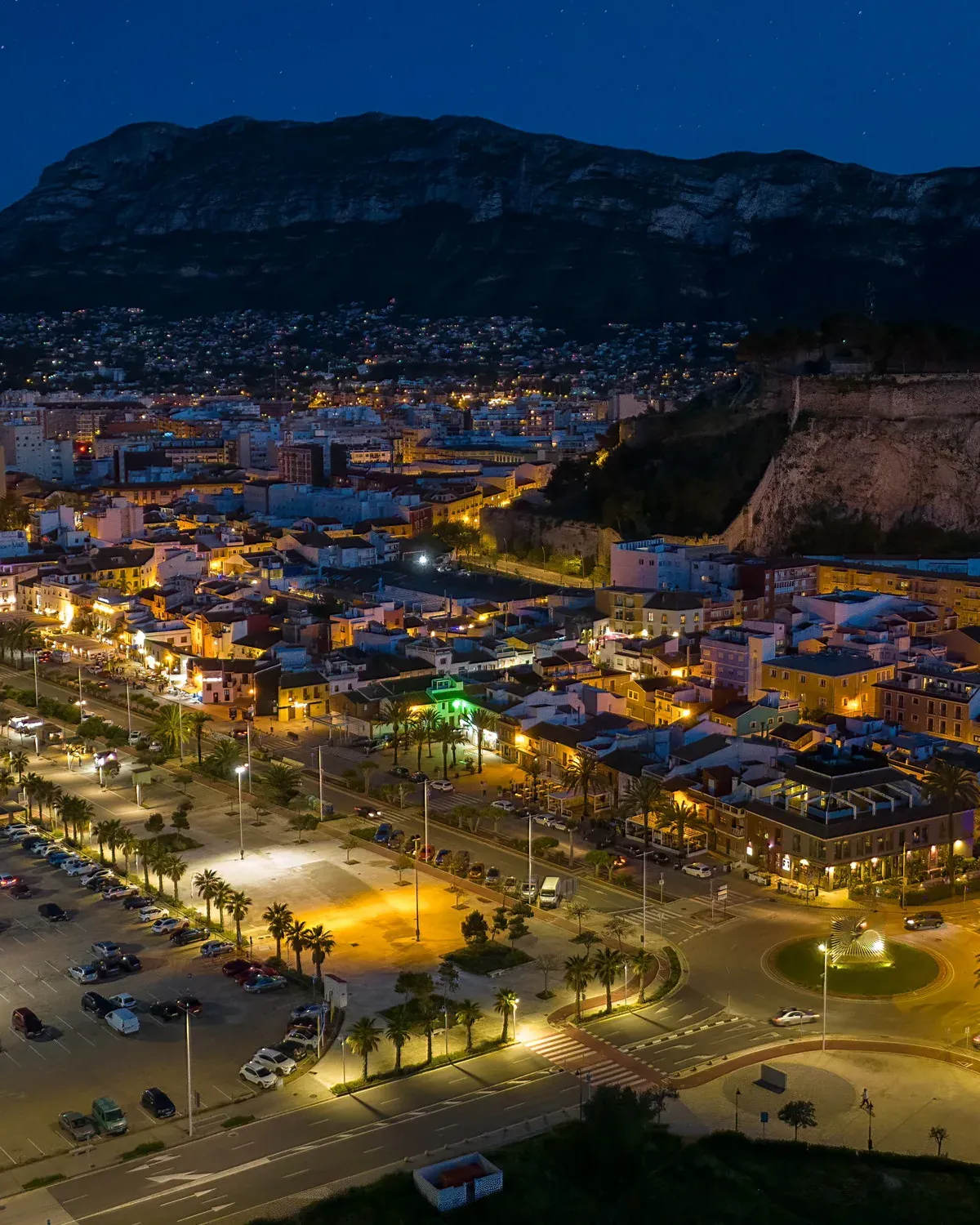
The walkable centre
Centro Urbano & El Puerto
The urban side of the market: below the castle, around the Marina de Dénia and Club Nàutic, Baix la Mar and Marqués de Campo shopping street and the market, stand top floors and duplexes in the dense blocks the ordinance describes for the centre. The appeal lies in the combination this location offers: shops, restaurants and services within walking distance, the port with its ferry to the Balearics around the corner, and year-round activity that the coastal strip lacks in quieter months. The stock is predominantly resale in older urban blocks, with renovated units in between and occasional newer supply at the edges. The trade-off is the building type: closely packed blocks sharing party walls, smaller terraces and older lifts — which is exactly why building condition and documentation can matter more here than the view.
The usual resale checks apply here: the registered status of the roof and terrace, the building’s owners’ association, and whether the lift serves the living level and the roof terrace. And check practical arrangements at the address itself: where you can park, how parking works in August, and whether the walking route to market and services stays pleasant in summer too.
Key locations and featuresCastle & old townMarina de Dénia & Club NàuticBaix la MarMarqués de Campo & the marketYear-round services
Watch list
Montgó, Les Rotes & the residential neighbourhoods
A smaller part of the market, with two distinct settings. Saladar and La Pedrera–Vessanes have urban, service-oriented blocks where year-round services and transport take priority over direct beach access — top floors that differ building by building, predominantly resale. In El Montgó and Les Rotes the ordinance describes very different housing stock: detached housing where penthouses are rare, standing in scattered complexes among the villas, and requiring checks of the specific building and access arrangements rather than relying on the neighbourhood name. Availability in both settings is worth monitoring: the right top floor appears occasionally, goes quickly, and may have no comparable property in the same street.
Where supply is limited, documentation matters even more: roof and terrace status, owners’ association, condition and lift access need careful checks for each unit — and viewings should include an assessment of the location: the route to shops, bus stop and centre in a quiet month, and at Les Rotes seasonal restrictions on the coast road.
Key locations and featuresEl MontgóLes RotesSaladarLa Pedrera–VessanesOccasional listings

Current supply

The current penthouse supply in Dénia

Dénia’s penthouse supply is visible online but has no official count: the available listings differ between platforms and can include duplicate or differently classified adverts — this is not a census, and the municipality publishes no separate penthouse statistics. The available properties fall into three categories. Resale properties form the bulk of the market: top floors in the Les Marines coastal strip, in the centre and around the port, assessed building by building. Renovated resale properties appear regularly, but “renovated” describes an individual property rather than a separately measured market segment. And new build is available but small-scale: limited to a small number of developments around Les Marines, Saladar, El Puerto and the urban edge. The coastal climate also affects maintenance: salt, wind and sun wear down waterproof membranes, frames and metalwork — maintenance records should be reviewed at every viewing.

Resale

The mainstay of the market

Resale properties make up most of Dénia’s visible penthouse supply: top floors and duplexes in the apartment blocks of Les Marines and Les Bassetes–El Marjal, in the dense blocks of the centre and around the port — with views over the sea, castle or Montgó and terraces that vary building by building. Online listings change constantly: counts differ between portals, some adverts are duplicated or classified differently, and a property listed today may be gone tomorrow. For the buyer that means two things: properties must be compared building by building, with their documentation checked individually, and a good search covers the whole municipality rather than a single portal. An advantage of resale properties is their documented history: past service charges, minutes that record roof and lift decisions, and in the centre year-round shops and services that support the appeal of winter stays.
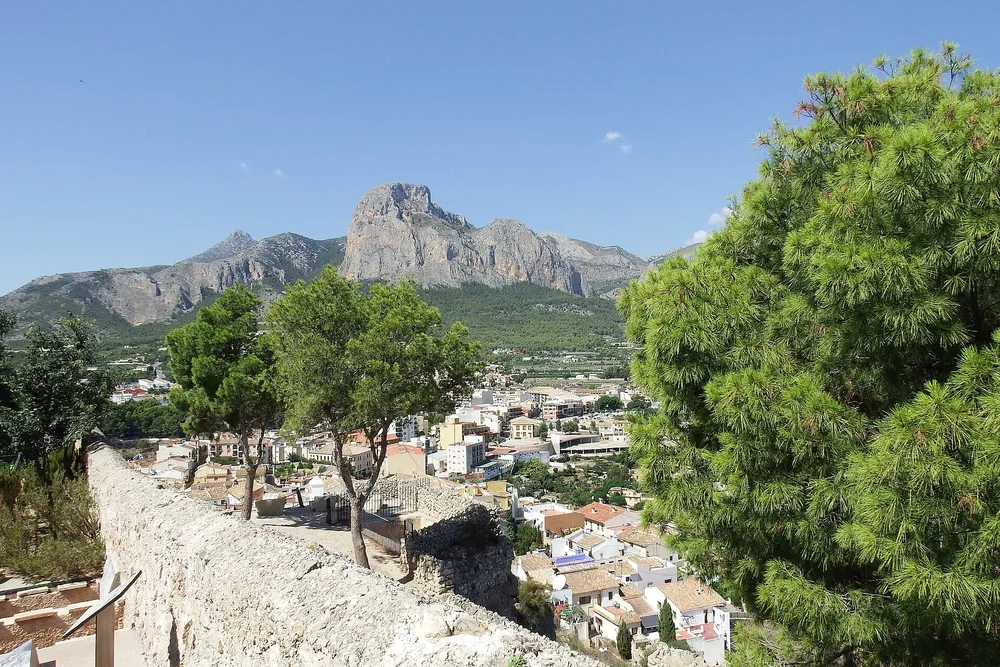
Renovated

Renovation status varies by property

There is no reliable breakdown of renovated penthouses in Dénia — and a percentage for the “renovated share” would therefore be speculative. “Renovated” also usually refers to the private unit: kitchen, bathroom, glazing, air-conditioning, terrace tiling. It says nothing about the building — roof waterproofing membrane, drainage, lift, structure — and nothing about the legal status of rooftop alterations such as glazing, pergolas or rooftop rooms. Renovation and access are two different questions: a refurbished unit may still be in a building without a lift, or on a floor the lift does not reach. Ask what was replaced or built, and under which permits, and whether the invoices, plans and technical reports are available — the fact that an alteration has been there for years does not prove it is lawful.

New build

Available in individual developments

New-build supply in Dénia is limited to a small number of developments around Les Marines, Saladar, El Puerto and the urban edge — a qualitative assessment of supply rather than a measured market share. This means that outside those developments, new-build penthouse supply is scarce, and development phases, communal budgets and property types vary. Use development names to guide your search, but verify each property individually. The status of your exact unit — licence, phase, completion certificate, first-occupancy documentation — must be verified through its documentation. New-build purchases also require a check of the owners’ association formed after handover, whose actual fees and reserve fund may only become clear once the building is occupied.

What “new” and “renovated” do and do not tell you about a Dénia penthouse
  1. The interior is not the whole building

    A new kitchen and new bathrooms answer none of the questions about the roof waterproofing membrane, drainage, lift or structure — and for a top-floor property by the sea, these checks can make the difference between a sound purchase and a costly one: sun, salt and wind wear down waterproof membranes, frames, metalwork, sealant joints and air-conditioning. Ask what was replaced inside the flat and in the communal areas, and under which permits, and whether the invoices and technical reports are available.

  2. New-build status by development

    In a market of individual developments, “new” needs to be supported by a full set of documents: the unit you view may be in a phase that has no final completion documentation yet, while the development next door has been occupied for years. Building licence, approved project, phase breakdown, completion certificate, first-occupancy documentation, energy certificate and warranties — the full set must relate to the exact unit, rather than simply describing the project in a brochure.

  3. The building’s owners’ association

    Residential complexes require maintenance of lifts, façades, pools and shared systems — and this affects the costs: service charges cover those facilities, major decisions require owners’ votes, and the reserve fund affects how much extra owners may need to pay for façade or lift works. Request recent meeting minutes, the budget, details of the reserve fund and a certificate of outstanding community fees. Since 3 April 2025, starting a tourist letting activity under the Horizontal Property Act (Ley 49/1960, with Organic Law 1/2025) has required the owners’ association’s express approval — a requirement the resolution published as BOE-A-2026-5836 confirms, together with the requirement for approval by three-fifths of owners representing three-fifths of ownership shares.

  4. Built area, usable area & terrace area

    Spanish property adverts may combine the interior, covered terrace and open solarium in the headline floor area — which distorts €/m² comparisons and can hide a smaller interior than the headline suggests. Measure the interior, covered terrace, open terrace/solarium, storage and parking separately, and reconcile them with the nota simple (Land Registry extract), the deed, cadastral records and the approved plans. Never add terrace area to the interior without stating the basis.

  5. Renovated does not mean newly built

    A refurbished resale property does not automatically have the legal and technical status of a new build: renovation does not provide the same construction warranties or completion documentation, and the underlying building is older — in Dénia some of this stock dates back to the 1960s beach apartments. This should be reflected in the price: compare the renovated property’s age and maintenance history with those of current developments — never with a brochure alone. And a renovated unit may still be in a building without a lift: access is verified building by building, regardless of the renovation description.

Concentration

Where is the penthouse supply in Dénia concentrated?

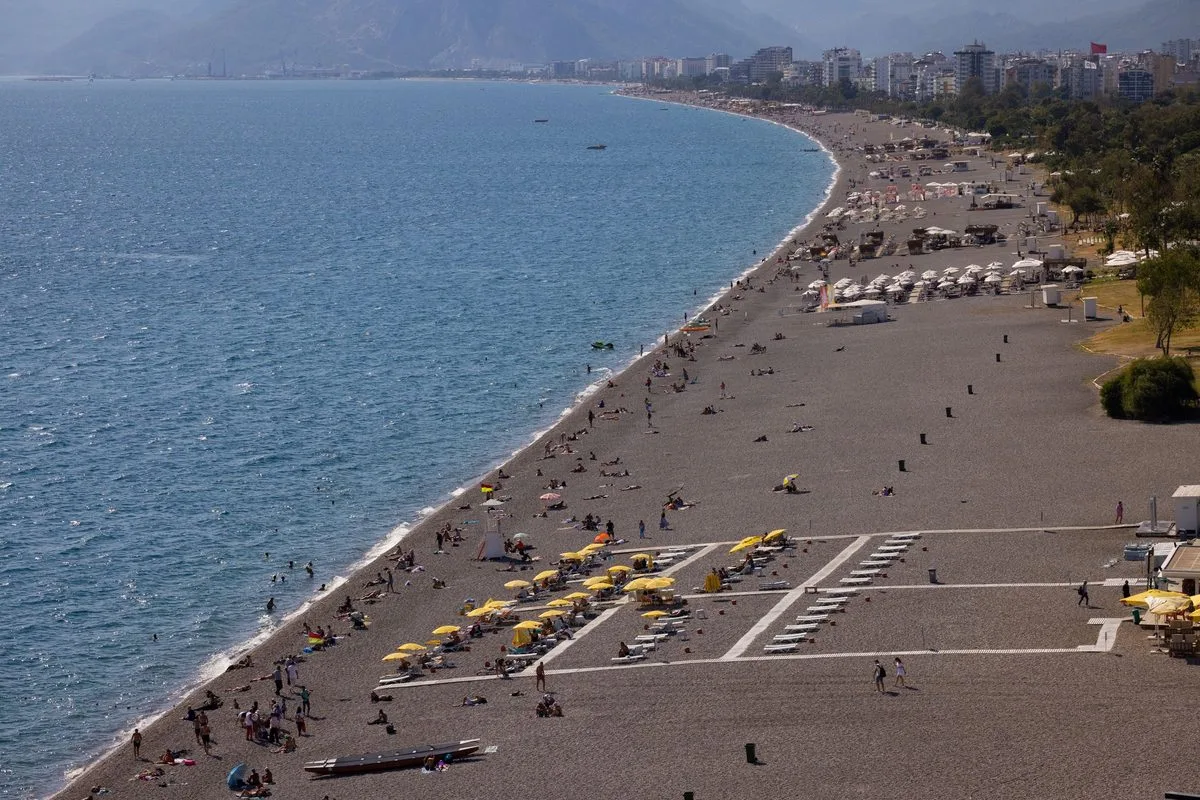
Dénia combines a long sandy coast with a year-round town behind it: more than 13 kilometres of beach to the north — Punta del Raset, Les Marines, Les Bovetes, Els Molins, and Les Deveses further north — and some 5 kilometres of rocky coves to the south at Les Rotes, with the Montgó behind the town, the castle above the old town and the port and its ferry services in between. The visible penthouse supply is concentrated in four areas: the Les Marines coastal strip with the apartment blocks of Les Bassetes–El Marjal, the walkable centre of Centro Urbano and El Puerto, the residential districts of Saladar and La Pedrera–Vessanes, and the scattered complexes on the slopes of El Montgó. Each area has its own photo below — select a location in the list and the photo follows.

1. Les Marines & the coastal strip2. Centro Urbano & El Puerto3. Saladar & La Pedrera–Vessanes4. El Montgó5. Les Rotes & the rocky coast6. Towards Jávea, Benitachell & the ferry

The main concentration · the broadest supplyCoastal strip · apartment blocks by the beach

Les Marines & the coastal strip

The clearest concentration of Dénia’s penthouse market: along the more than 13 kilometres of northern beaches — with Les Bassetes–El Marjal and the Carretera de les Marines forming the main concentration — stand the freestanding apartment blocks the ordinance describes for the Marines–Deveses area. Top floors and duplexes in complexes with lifts, garages and communal pools form the bulk of the supply here: resale properties in blocks dating from the 1960s onwards, with renovated units in between and a small amount of new-build supply. The coastal strip changes with the seasons — but the town with its services sits right behind it, so it is worth comparing locations along this stretch: walking distance, bus route and winter services vary from one neighbourhood to the next.

Typical supply

Top floors and duplexes in complexes with a lift, parking and a pool. Compare properties along the strip by building age, floor, views of the sea or Montgó, the registered status of the roof and terrace, and the breakdown of floor areas: interior, covered terrace and open solarium listed separately. Consider everyday convenience too: the exact location determines the walking route to beach, shops and bus stop.
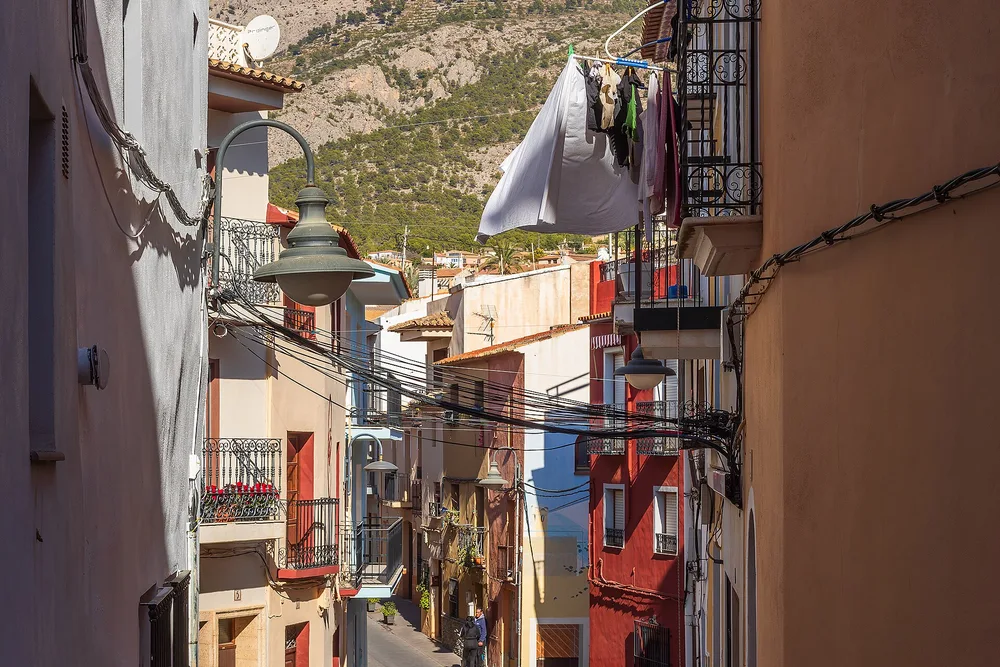
Trade-off

Living on the coastal strip means adapting to seasonal changes: in the summer months the area is busy — traffic, parking pressure and the tourist rhythm are part of daily life — and in the quiet months beach services and dining options are more limited than in the centre. Visit the location in peak season and in a quiet month, and check the bus stop and winter timetable before taking “by the beach” as your criterion.

The walkable centre · castle & portTown centre & port · year-round

Centro Urbano & El Puerto

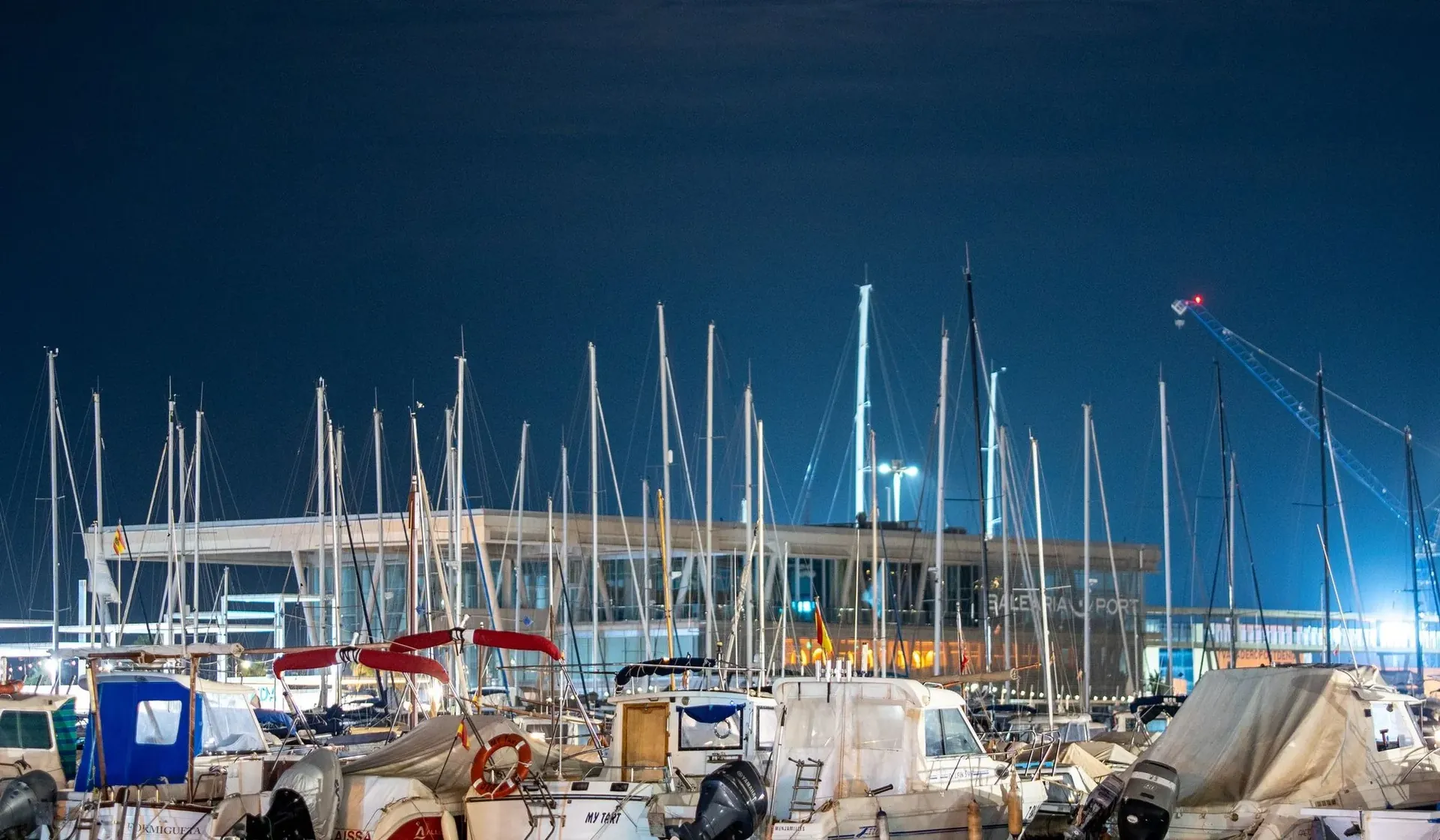
The urban side of the market: below the castle lie the dense blocks and buildings sharing party walls the ordinance describes for the centre, around the shopping street of Marqués de Campo and the market, Baix la Mar on the seaward side, and the port with the Marina de Dénia, Club Nàutic and the ferry to the Balearics. Top floors here are more typical of town-centre flats: smaller terraces, older blocks, older lifts — and the main attraction is year-round access to shops, restaurants, a doctor and the market within walking distance. The ferry and the marina also give the address an identity distinct from the coast further north.

Typical supply

Occasional top floors and duplexes in older urban blocks, often without a pool or parking — the lift, roof and owners’ association must be checked building by building. Assess each property individually rather than relying on the street name: the registered status of the roof and terrace, the building’s condition, the building’s owners’ association, and the walking route to market, port and services — not every “central” address is equally convenient.

Trade-off

A town-centre address offers year-round convenience, but the buildings are often older: lift, roof waterproofing membrane, electrical installation and owners’ association history can matter more here than the sea view. And in the summer months the centre is busy too: tourist pressure around port and old town is part of living here. Have a surveyor inspect these aspects of the building, and walk the route to market and services in both seasons.

The residential districts · urban and practicalResidential neighbourhoods · urban blocks

Saladar & La Pedrera–Vessanes

Between the centre, coastal strip and inland areas, property portals show a distinct market: Saladar and La Pedrera–Vessanes are urban, service-oriented neighbourhoods where shops, healthcare and transport take priority over direct beach access. The ordinance counts this part within the urban fabric — and this is reflected in the housing stock: blocks of similar ages to those along the beach, but with prices reflecting everyday convenience rather than proximity to the sand. For buyers who want a top floor and a terrace but do not want their daily life shaped by the tourist season, this is a practical part of the municipality to consider.

Typical supply

Top floors in urban blocks with generally more affordable prices than the coastal strip: often without a pool or parking, with lifts and terraces that differ building by building. Assess each property individually: the registered status of the roof and terrace, the building’s owners’ association, and the walking route to shops, bus stop and centre — in this belt everyday convenience is the main attraction, rather than the view.

Trade-off

These residential districts offer year-round convenience rather than a beachfront setting: anyone buying here to be “close to the coast” must test the walking route to the beach themselves — and conversely, quiet streets in August are not guaranteed: tourist traffic towards Les Rotes and the coastal strip can run through the neighbourhood. Check the routes in both seasons.

The hillside · mainly villas with scattered complexesHillsides · scattered supply

El Montgó

The mountain behind the town defines Dénia’s landscape — and also limits the penthouse market: the ordinance describes El Montgó as a predominantly detached-house area. The top floors that exist here are found in scattered complexes among the villas: quiet, greenery and often wide views over the town and the bay, but only a limited number of properties. Here, the terrain matters: gradient, steps, the bus stop and the lift must be assessed for each building, and availability changes as individual units come onto the market or sell. Buyers here need to search on a building-by-building basis — with the mountain road, the view and the owners’ association each requiring a separate check.
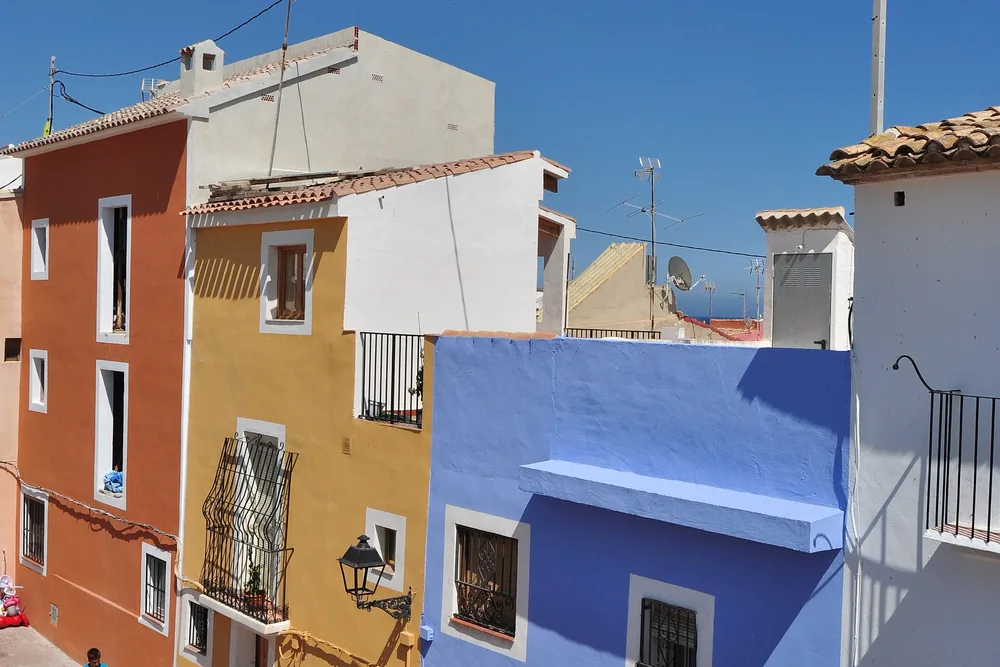
Typical supply

Scattered top floors in smaller complexes, where views are the main attraction and availability is limited. Look beyond the neighbourhood for comparisons — there may be only one unit available — and consider the coastal strip and the centre: the registered status of the roof and terrace, the building’s owners’ association, lift access to the penthouse level, and the practical question of whether gradient, mountain road and distance to shops fit your daily rhythm.
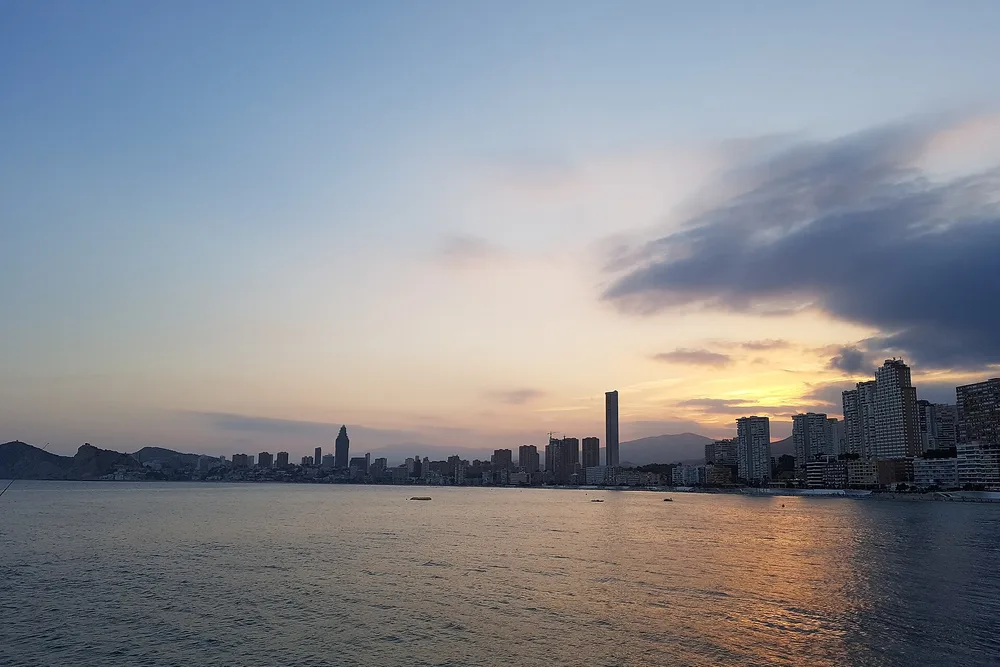
Trade-off

“Below the Montgó” does not automatically mean an easy daily routine here: test gradient, steps, the bus stop and the parking situation at the exact address, in both seasons. And check the lift before making an offer — with so few properties available, each one needs an individual assessment, including the practicality of everyday trips to the supermarket.

The coves · mainly villas on the rocky coastCoves & marine reserve · a protected setting

Les Rotes & the rocky coast

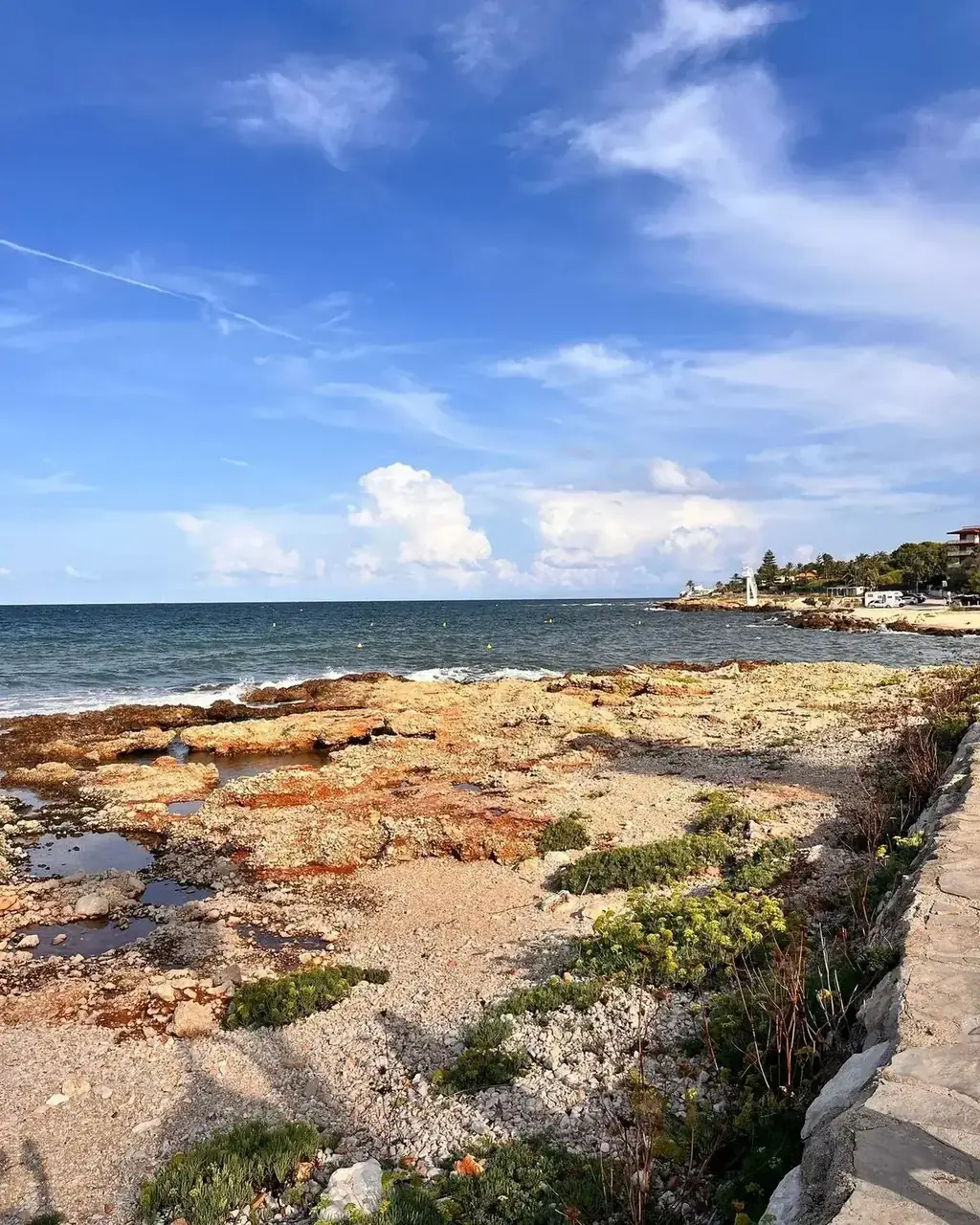
The southern end of the municipality: some 5 kilometres of rocky coves, in a marine reserve that draws divers and nature lovers. The ordinance counts Les Rotes among the detached-house areas — penthouses are rare here and are scattered among the villas. The area offers nature, clear water and a quieter character than the coastal strip — with seasonal access restrictions to consider: the final stretch of the coast road has controlled vehicle access in summer, and this should be checked at every viewing in July and August. Les Rotes is not interchangeable with Les Marines: it is a different coast, different housing stock and a different daily rhythm.
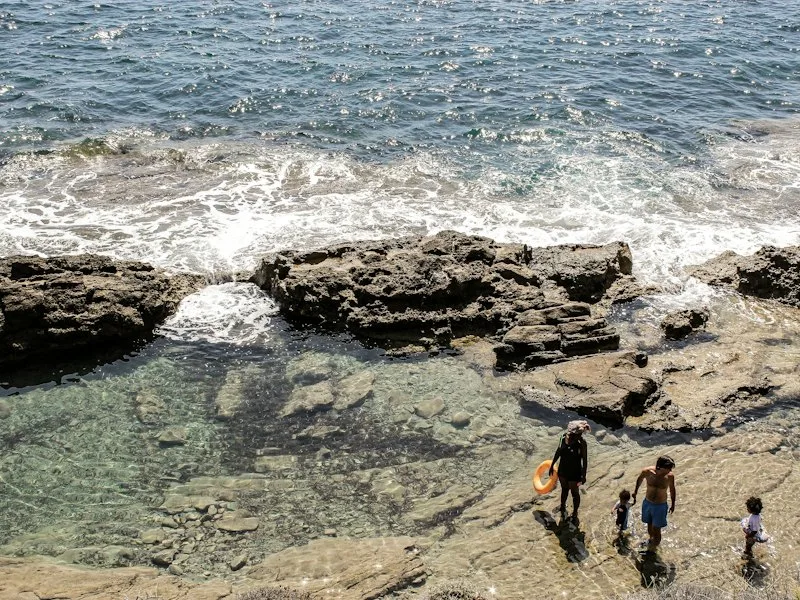

Typical supply

Scattered top floors and duplexes among the villas, with the coves as the back garden. Assess each property individually rather than comparing it directly with the coastal strip: the registered status of the roof and terrace, the building’s owners’ association, the lift and the full access route, and seasonal restrictions on the coast road at the exact address — the view is the main attraction here, while access may involve compromises.

Trade-off

The protected coast offers natural surroundings, but practical access matters: in the summer months vehicle access towards the final coves is regulated, and services are more limited than in the centre. Visit in peak season and in a quiet month, and check at the exact address how access, parking and summer restrictions on the coast road shape your week.

Nearby locations · compare your optionsNeighbouring areas to the south and across the sea

Towards Jávea, Benitachell & the ferry

Dénia is the northern gateway of the Costa Blanca property markets: to the south, the coast passes Jávea below the Montgó, Benitachell with its hillside urbanisation, and further on Moraira, Calpe and Altea. The port also offers a connection across the sea: the ferry connects the port to the Balearics, making Dénia a base with ferry connections unavailable in neighbouring municipalities. For the buyer that position is a useful point of comparison: the same budget buys a different type of property further south — a different municipality, a different planning framework, a different tourist-use regime — while Dénia’s own trump card remains a town with year-round services between 13 kilometres of beach and a mountain.

Typical supply

Jávea has a broad market across three centres — old town, port and the Arenal — while Benitachell has a concentrated hillside market around Cumbre del Sol. Further south are the cove-side and high-rise markets of Moraira, Calpe and Altea: all useful as points of comparison for prices and property types. Buying in another municipality means checking the documentation afresh: a different town hall, a different planning framework, a different tourist-use regime — and the same core questions of roof, terrace and owners’ association.

Trade-off

Comparing nearby towns helps clarify your search: is the penthouse on the coastal strip right for you, or does the same budget in Jávea or further south buy a different way of living? Explore both locations on foot — everyday amenities, beach access and winter services — and check for the exact address which municipality and which rules apply to it, before treating Dénia’s “gateway position” as an advantage.

Market data

Dénia Property Market Data

Price logic

How penthouse prices vary in Dénia

A single average price is of little use in this market: supply ranges from established resale properties in older buildings to a small number of new-build developments, and prices vary along the coastal strip — walking distance, view and building age can result in very different prices for two apparently similar penthouses. A penthouse adds a distortion of its own: the headline area in listings can merge interior, covered terrace and open solarium, so €/m² comparisons mislead. The bands below are a guide based on our assessment of this market. The figures are approximate because each property is priced individually; they are not a price list or a snapshot of portal listings.

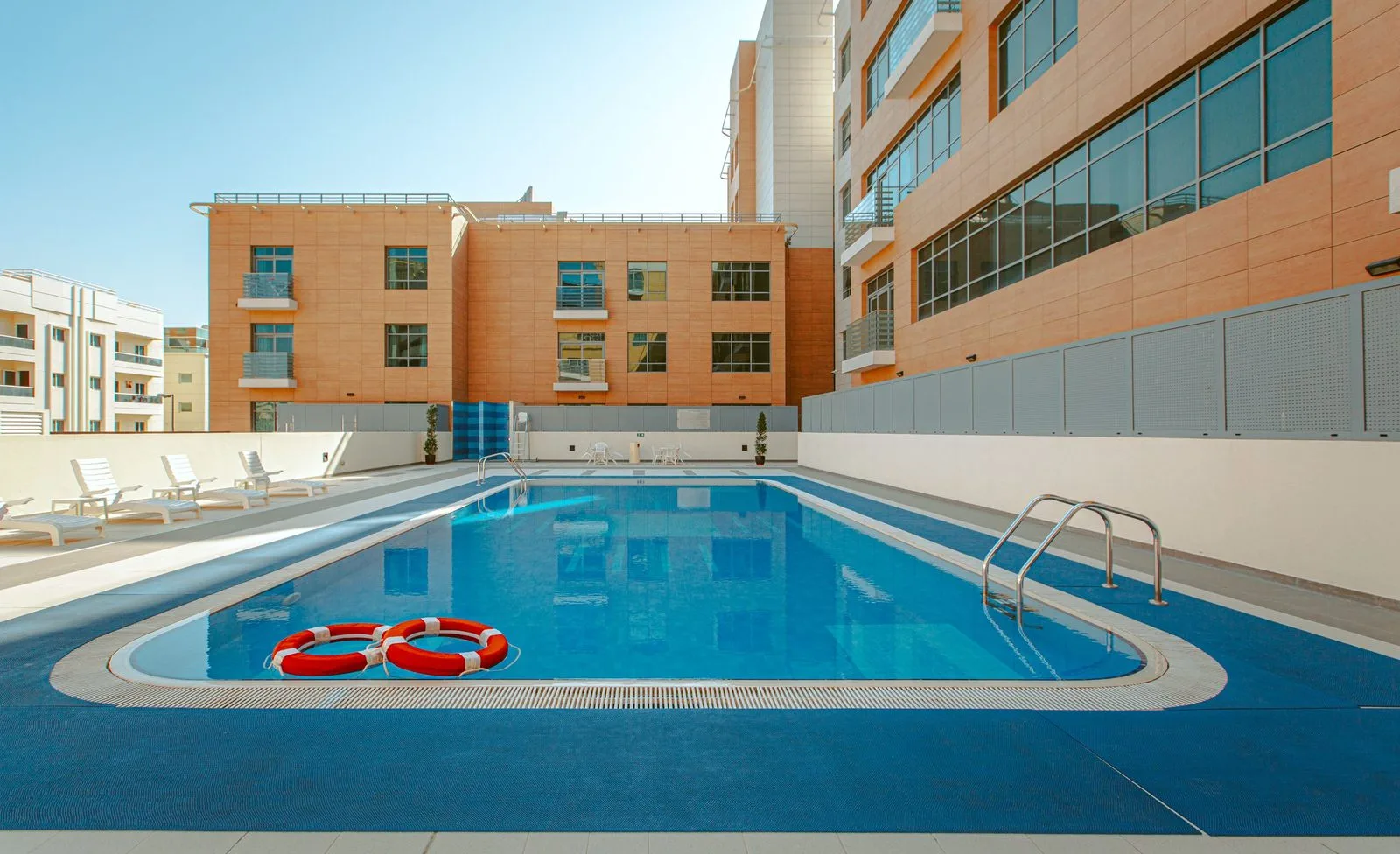
High-angle view of a rooftop pool with sunloungers at an apartment building

Explore a price band

01/ 04

Band 01Dénia

Up to ±€300,000

Band 02Dénia

±€300,000–600,000

Band 03Dénia

±€600,000–1,000,000

Band 04Dénia

€1,000,000 and up

What drives the price per m² for a penthouse in Dénia

This market needs to be assessed property by property: within one municipality, asking prices diverge with floor, view and building age, and resale and individual new-build developments can command different prices for the same property type. The seven factors below together explain most of the price gap between two apparently similar top-floor properties — which is why we compare each unit and its documentation individually, never by town average.

Authentic residential building facades on the Costa Blanca

Budget levels

What penthouse can you buy at which budget in Dénia?

Three budget bands, three different markets — in a municipality that itself consists of several types of location: coastal strip, town centre, port, residential districts and hillside. The figures are approximate: within every band the price moves with floor, view, building age and the exact address. The bands are a guide to focus your search — not a promise about today’s supply.

Up to ±€300,000

Entry-level homes in residential neighbourhoods & older buildings

In this band you buy Dénia’s practical side: compact top floors in the older blocks of the coastal strip and the residential neighbourhoods, units without a pool or parking — and sometimes without a lift, or on a floor the lift does not reach. Expect older buildings to need some work: allow for electrical upgrades, a new kitchen or roof maintenance. This band can also offer good value — a building with a well-planned maintenance budget and an open view may be a better purchase than a newer property without a maintenance plan.

±€300,000–600,000

The main market along the coastal strip

This is the heart of the Dénia market: established resale properties along Les Marines — including blocks built in the 1980s — and the roomier units around the centre and the port, with a pool, parking and a lift. Buyers looking for a terrace find the most options here — and properties with open views over the sea or Montgó tend to sit towards the upper end of this band.

±€600,000 and up

Larger penthouses, solariums & views

From around €600,000, the upper end of the market offers spacious duplexes and larger penthouses on the coastal strip and in El Puerto, with large terraces, a lift and views over the sea, port or Montgó — alongside exceptional renovated units with high-quality interiors. Supply in this band is limited and scattered: each property requires an individual assessment, with roof status, the owners’ association and the view as the three deciding factors — and any claims about completion status requiring supporting documents.

A personal search

Finding the right penthouse in Dénia, together

You do not buy a penthouse from a list — certainly not in a municipality where the Les Marines coastal strip, the walkable centre around castle and port, the residential districts and the slope of the Montgó each require different checks. Tell us your requirements — beach or centre, terrace or services, budget, year-round or seasonal use, letting or not — and we will send you penthouses that meet them, with the questions to ask at every viewing.

The coast of Dénia with the castle in soft evening light

Checks

Dénia-specific checks when buying a penthouse

Every coastal town requires local checks, and Dénia has three particular considerations: a tourist-use framework that varies by zone and address (the 2026 ordinance sets different limits by zone); a coastal location where flood risk and coastal planning must be assessed plot by plot; and housing stock in which roof condition, lifts and terrace rights vary with the age and design of each building. Six checks we run on every penthouse purchase in Dénia — for each specific unit, building and cadastral reference.

Tourist letting requirements

  • Tourist use in Dénia is subject to location-specific rules: the final municipal ordinance — published in the provincial bulletin (BOP Alicante No. 159) on 24 August 2026 — sets numerical limits per zone. In the area north of the Camí del Llavador a 25% ceiling applies; other urban areas are limited to existing numbers or 1%, depending on the zone. Request the current zone boundaries and remaining capacity for the exact address from the municipality — the neighbourhood name alone is not enough.
  • The ordinance requires a favourable municipal certificate of planning compatibility before a tourist-use application — and that certificate does not itself authorise tourist letting. Les Marines, Les Rotes and Montgó were outside the area covered by the earlier town-centre suspension; this does not itself grant a right to let. Request written confirmation of planning compatibility for that exact address and zone, and check the Valencian registry status — an old advert is not proof of authorisation.
  • Owners’ association approval and national requirements must also be checked: under the Horizontal Property Act (Ley 49/1960, with Organic Law 1/2025), starting a tourist letting activity has required the owners’ association’s express approval since 3 April 2025, with approval by three-fifths of owners representing three-fifths of ownership shares — confirmed in the resolution published as BOE-A-2026-5836. Verify the current national registration requirements under Royal Decree 1312/2024, including any subsequent legal changes, rather than relying on an old registration number.

Narrowing down

How to narrow your penthouse search in Dénia

Dénia is varied enough to make a search unfocused: a roughly thirteen-kilometre northern coastal strip, a walkable centre with castle and port, residential districts, a rocky shore and a hillside — and adverts that present terrace area as living area. These seven filters narrow the available penthouses down to those that fit and make viewings more focused.

Choose your Dénia first

Choose your Dénia first

The coastal strip of Les Marines with wide sandy beaches and an open horizon, the walkable centre around castle, port and Baix la Mar, the residential neighbourhoods with year-round amenities, or the slope of the Montgó and the rocky shore of Les Rotes: four types of setting, each with its own stock, pricing factors and daily rhythm. Searching them all at once can reduce the search to a generic “sea-view apartment” — overlooking what makes each location distinct. Choose the setting that suits you first; it is the most useful way to focus your search.

Read the area like a surveyor

Read the area like a surveyor

Interior, covered terrace, open solarium, storage, parking — areas that listings may combine into a single headline figure for this property type. Request a breakdown using the deed, nota simple and cadastral records, compare it with on-site measurements, and calculate the price on a consistent basis: using the headline area alone may value a solarium as though it were indoor living space.

The roof & registered rights

The roof & registered rights

For a penthouse, roof rights should be checked from the outset: ownership or exclusive use, who pays for structure, membranes and drainage, and whether any glazing, pergola or rooftop room has the required permits and owners’ association approval. Inconsistent documentation for a terrace can lead to disputes with the owners’ association and should be resolved before purchase.

Check the owners’ association

Check the owners’ association

Fees, budget, reserve fund, certificate of outstanding community fees, planned works: a coastal building runs on lifts, façade systems and pools, and major decisions require votes from multiple owners. Request the minutes and the certificate of outstanding community fees — and check the statutes for tourist use at the same time: since April 2025, starting a tourist letting activity requires express approval by three-fifths of owners representing three-fifths of ownership shares, as confirmed in BOE-A-2026-5836. Low fees combined with an empty reserve fund may mean additional charges later.

Check the legal position before planning to let

Check the legal position before planning to let

If tourist letting is in the plan, check the legal requirements before arranging viewings: the planning compatibility of that exact dwelling, the zone boundaries and remaining capacity under Dénia’s final ordinance of 24 August 2026 (with a 25% ceiling north of the Camí del Llavador and stricter limits in other urban zones), the Valencian registration status, and the current national registration requirements. A new application may be required on transfer of ownership — check this before making an offer. The seller’s existing listing does not guarantee your right to let.

Check the lift & the walking route

Check the lift & the walking route

Much of central Dénia is flat and walkable, but access still matters when buying a penthouse: confirm that the lift runs to the penthouse level and to the garage, as some older blocks along Les Marines were built without a lift, or with one that stops short. Walk the full route — garage to lift to terrace to street to beach, in both directions — before you make an offer; on the rocky shore of Les Rotes, cove steps and level changes also need to be considered.

Test the season: noise & parking

Test the season: noise & parking

A beachfront location offers walkability and views, but also seasonal changes: in August the peak brings activity, traffic and parking pressure to the Les Marines beach road and the port — with summer ferry traffic around the terminal on top. View your shortlist at two different times of year — an August week and a January week — and check the building’s parking arrangements in both months before treating “beachfront” as an advantage.

A good fitSecond home

The lock-up-and-leave second-home buyer

You want to lock up and leave, without a garden running wild or a private pool to maintain. In Dénia that works unusually well: the town centre, including the castle, port and Baix la Mar, stays active year-round, a managed building organises roof and pool maintenance, and Les Marines beach sits close enough to fill every free week. Check how that particular building is managed rather than relying on the brochure’s promise.

Lock-up-and-leaveThe beach within reachAssociation-runCastle & sea viewsLift & parking
Evening light above the rocky coast of Les Rotes in Dénia
Locking up means trusting the building: check how the building is managed as well as the view.
Dénia in winter
The year-round test: what to check in a quiet month
  • How the terrace feels in winter: where the sun falls at ten in the morning in January, how hard the wind blows on the exposed floors high above the beach, and how long you can sit on your roof terrace without a coat. The height that gives you the view also exposes you to wind — test both in the same week.
  • How transport connections work in winter: the urban buses of BusDénia link the neighbourhoods, tram line 9 runs down the coast towards Gata de Gorgos, Teulada, Benissa, Calpe, Altea and Benidorm, while reaching Valencia by rail involves a bus connection to Gandía; the ferry service to the Balearics departs from the port. Check the current timetables against your destination and season — and the exact walking route from your address to the stop or station.
  • What stays open in January around your address: Dénia is a genuine year-round town — the centre, with its castle, market, port, museums, shops, medical practices and everyday services, stays active outside peak season, which makes the town and the residential neighbourhoods better suited to winter stays than most tourist enclaves. Check your own daily routine: supermarket, pharmacy and GP surgery, and the route to them in a quiet month.
  • How driving and parking change with the seasons: in August the peak brings traffic and parking pressure to the Les Marines beach road and the port, with summer ferry traffic around the terminal on top — conditions very different from January. Compare your building’s parking arrangements, garage access and road conditions in August with those on a Tuesday in January.
  • What the roof looks like in wet weather: puddles on the membrane, blocked drainage, limescale or damp around the edges, staining on the ceilings below — wet-weather problems that summer viewings may not reveal. At the same time, ask for the building’s leak history: what the roof does in November is more reliable than what a summer photo promises.
  • How comfortable the top floor itself is in the coldest week: insulation under the roof, glazing, shading, heating and cooling, hot water and water pressure, fibre broadband and any separate terrace lighting or water supply. These are the points where a top floor differs from the floor beneath; test them in the month you need them.
  • How the building is managed in winter: buildings with seasonal owners may be only partly occupied in February — check who manages the building when most neighbours are away, whether the building keeps functioning fully, and whether the owners’ association continues to hold meetings and progress planned works outside the season.

Frequently asked questions

FAQ about buying a penthouse in Dénia

What does a penthouse in Dénia cost?
Dénia has three broad budget bands. Below around €300,000, you will find mostly compact top floors in the older stock of the coastal strip and the residential neighbourhoods, sometimes without a lift or parking. The main segment of the market is approximately €300,000–600,000: more spacious resale properties along Les Marines and around the centre and port, with a pool and a lift. From around €600,000, duplexes and larger penthouses become available with large terraces and open views — reaching past €1,000,000 at the top. These are approximate guide ranges: the final price depends on floor, view, building age and exact address. Check current listings for up-to-date prices.
Which area of Dénia is best for buying a penthouse?
That depends on your priorities. Les Marines and Les Bassetes–El Marjal offer a coastal setting: blocks on or just behind the esplanade, with the most penthouses and the widest sandy beaches. Centro Urbano and El Puerto offer a walkable town-centre setting — castle, port, Baix la Mar — and the port-side flats. Saladar and La Pedrera–Vessanes are the quieter residential districts with generally lower prices per square metre. The slope of the Montgó offers views rather than direct beach access, and Les Rotes offers the rocky shore and its coves rather than high-rise. Choose the setting first, then the property.
Can I let my penthouse in Dénia to tourists?
Only if it is permitted at the exact address — and in Dénia that varies by zone. The final municipal ordinance, published in BOP Alicante No. 159 of 24 August 2026, sets numerical limits: 25% in the area north of the Camí del Llavador, and in other urban zones the existing numbers or 1%, depending on the zone. A favourable certificate of planning compatibility comes before any tourist-use application — and does not itself authorise tourist letting. Starting a tourist letting activity has also required express owners’ association approval since 3 April 2025, by three-fifths of owners representing three-fifths of ownership shares (confirmed in BOE-A-2026-5836). Check the current national registration requirements under RD 1312/2024 at the time of purchase.
Is the roof terrace of a penthouse legally private?
Not automatically. It can be separately owned property, an appurtenance to your flat, or a communal roof assigned for exclusive use — the deed, the horizontal-division deed and the statutes decide. Request the nota simple, the deed and the plans, and check that the roof is described consistently as private or exclusive-use throughout, and who is responsible for maintaining waterproofing and drainage. If the terrace is described as private in one document and communal in another, resolve the discrepancy before making an offer.
Does every penthouse in Dénia have a lift?
No — and the “ático” label also covers units on the second or third floor without one. Older housing stock along Les Marines and in the residential neighbourhoods still includes blocks without a lift, or with a lift that does not reach the top level. Check for each building that the lift serves the penthouse level and preferably continues into the garage, ask for the lift’s maintenance record, and walk the full route — garage, lift, access corridor and front door — before making an offer.
What extra checks should I make when buying a top-floor property on the coast?
The roof. Commission a roof-focused inspection covering membrane age, drainage, ponding, parapets and flashing, and check the ceilings and upper corners inside for moisture marks. Check the owners’ association’s meeting minutes for previous roof works and planned additional charges. Also check glazing, shading and cooling capacity — a top floor in July performs differently from the same unit in October — and confirm any glazing or pergolas have the required permits and owners’ association approval.
What about flood risk in Dénia?
Dénia screens flood risk parcel by parcel against the Generalitat’s PATRICOVA map. That matters for low-lying coastal blocks: it is rarely the apartment itself that is exposed to flooding, but communal garages, lift pits and access routes can be. Check the PATRICOVA layer for the exact parcel before making an offer, and ask the building manager about conditions during heavy rain. Verify the planning status against Dénia’s 2023 Plan General Estructural.
Can I also buy a new-build penthouse in Dénia?
Yes — alongside the established resale stock, new-build developments with penthouse units appear scattered across town. With new build, verify the building permit, the approved project, the phase breakdown and the completion documentation of your exact phase — developments are completed phase by phase, and “nearly finished” in a brochure does not confirm a completion date. Here too, check the owners’ association’s statutes on tourist use and the project’s zoning status under the 2026 ordinance before including letting income in your plans.
How easy is it to get around Dénia without a car?
Central Dénia can be a practical base without a car. The urban buses of BusDénia link the neighbourhoods, tram line 9 runs along the coast towards Teulada, Calpe, Altea and Benidorm, while reaching Valencia by rail involves a bus connection to Gandía; the ferry to the Balearics departs from the port. The centre itself is flat and walkable — castle, market and port sit within a few minutes of each other. Check the walking route from the exact address to the stop or station, and the winter timetables for the services you plan to use.
What are the owners’ association fees and monthly costs of a penthouse?
That varies widely between buildings: a tower with two lifts, a pool and communal roofs generally costs more to maintain than a small block without a lift. Request the annual budget, details of the reserve fund, a certificate of outstanding community fees and meeting minutes covering planned works — low fees combined with an empty reserve fund may mean additional charges later. For a penthouse specifically, count on the roof and its drainage needing ongoing maintenance; if you let, add the administrative costs of complying with tourist letting requirements.

On the map

Penthouses for sale in Dénia on the map

Dénia lies on the Costa Blanca in the province of Alicante, at the foot of the Montgó.

Browse by Property types

Other property types in Dénia, Spain

Compare penthouses with the alternatives in the same municipality — each with its own trade-offs.

Browse by location

Where to Buy Penthouse in Spain in other locations?

Dénia is one of the main towns on the northern Costa Blanca — and the wider penthouse market extends south along the coast to Benitachell, Jávea, Calpe, Benissa, Moraira, Altea and further to the high-rise city of Benidorm, as well as nearby inland locations. Twelve towns, each with a penthouse market of its own.

The coast of Benitachell with sea viewsThe quiet southern hillside

Penthouses in Benitachell

The neighbouring municipality to the south, with penthouse supply concentrated on the hillside developments of Cumbre del Sol, with open sea views and Jávea’s coastline on the horizon. Smaller, quieter and more focused than Dénia — with a full page of its own.

The bay of Jávea with the Montgó behindBeach, port & Montgó

Penthouses in Jávea

The neighbouring town beneath the same Montgó: Jávea shares the mountain as a backdrop but has a different character — an inland landscape of dry-stone terraces, three core areas and a coast of coves and the Arenal. Penthouses here are more often in low-rise buildings than towers, appealing to a similar group of buyers.

Peñón de Ifach above the bay of CalpeTowers on two bays

Penthouses in Calpe

A major high-rise market on this coast, further south: high-rise on two sandy bays under the Peñón, with a concentration of penthouses Dénia does not have. Compare similar property types here — coastal strip to coastal strip, owners’ association to owners’ association.

The old centre of BenissaA coastline of coves

Penthouses in Benissa

A municipality of two worlds: a historic town centre inland and a narrow coast of coves between Calpe and Moraira. Penthouse supply is limited and scattered — an alternative for buyers who find Dénia too large or too focused on the beach.

The bay and marina of MorairaA bay with a marina

Penthouses in Moraira

Teulada’s coastal village, further south: a bay with a marina, a low skyline and penthouses in lower-rise buildings rather than towers. A smaller property market — a quieter coastal setting.

Altea’s white church dome above the roofsWhite town above the sea

Penthouses in Altea

Another penthouse destination along the tram route: the white old town above the bay, the coastal strip of l’Olla and the Altea Hills slope. Penthouses with character and views, in a municipality known for its art scene and coastal setting — the natural comparison for buyers seeking a different town-centre atmosphere from Dénia.

The coastline of Albir in L’Alfàs del PiAlbir & Foia Blanca

Penthouses in L’Alfàs del Pi

Towards Benidorm, with penthouse supply concentrated mainly in Albir: the boulevards of Albir and the residential area of Foia Blanca, the Sierra Helada as backdrop and a compact property market with renovated homes. Quieter in character than nearby Benidorm, with connections to neighbouring coastal towns.

The view from the slopes of La NucíaHigh above the bay

Penthouses in La Nucía

The hillside municipality behind the coast, between Alfaz and Benidorm: height here means cooler evenings and wide views over the bay, with mainly modern residential properties. An inland setting focused on views, sports facilities and everyday services.

The village view of Polop with its castle hillInland behind the coast

Penthouses in Polop

Right behind La Nucía and Benidorm: a historic village under its castle hill with new-build complexes around the old core. Penthouses here are generally newer and the prices lower than at the coast — an inland alternative for penthouse buyers.

The Puig Campana above FinestratBelow Puig Campana

Penthouses in Finestrat

Two worlds in one municipality: the white village at the foot of the Puig Campana and the coastline of La Cala with Benidorm’s high-rise a stone’s throw away. Penthouse locations follow that split — mountain views inland, sea views at La Cala.

Colourful façades on the promenade of VillajoyosaThe colourful port town

Penthouses in La Vila Joiosa

The colourful town between Benidorm and Alicante: sea-facing façades, a working port and chocolate in the air from the factory. A smaller penthouse market with year-round town life — cheaper than Benidorm, with a more traditional town setting than a cluster of towers.

The skyline of Benidorm above its two baysThe tower city

Penthouses in Benidorm

The end point of the comparison: the largest tower market on the Costa Blanca, with penthouses at heights rarely found in Dénia and year-round urban services that does feel familiar. More skyline, more supply, more competition — and a full page of its own.

Area guide

Explore Dénia with our guide

The castle above the core, the bay of Les Marines, the rocky shore of Les Rotes, the Montgó ruling the landscape and the port with its ferry services: our Dénia guide lays out the whole municipality — the frame of this penthouse page in its context.

The castle of Dénia above the roofs of the old town

Contact Altea Casas

Looking for a property on the Costa Blanca? Tell us what you’re looking for, and our team will get back to you shortly.

Send Us a Message

Data protection information under the General Data Protection Regulation (EU) 2016/679 (GDPR) — read more.