Costa Blanca North · Calpe · Penthouses
Penthouses for Sale in Calpe
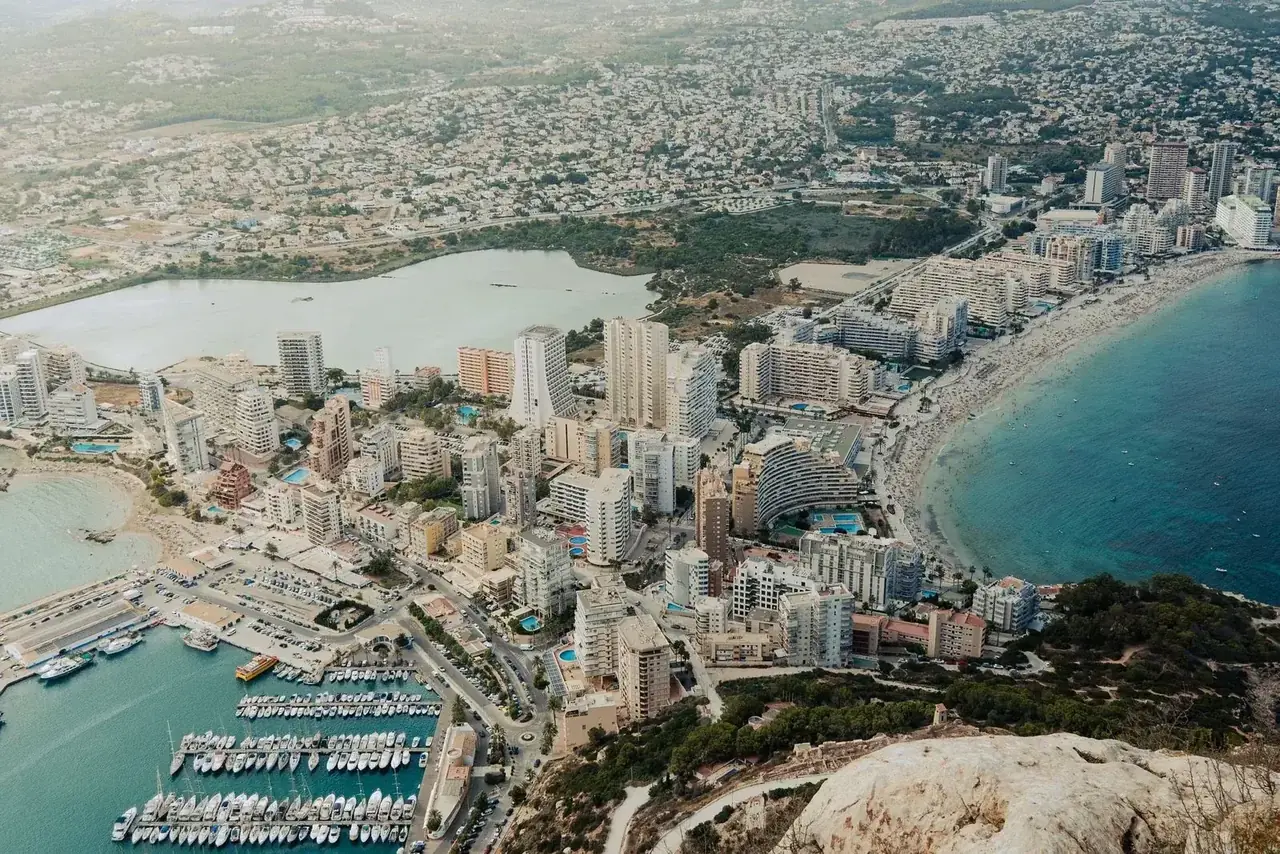
Penthouses overlooking Calpe’s defining landmark, the Peñón de Ifach, from the Arenal-Bol and La Fossa beachfront — in a market of established resale properties and a small cluster of high-rise developments between Benissa and Altea.
Prevalence
How prevalent are penthouses in Calpe?
Penthouses are a regular but niche part of Calpe’s apartment market: the municipality publishes no separate penthouse count, the “ático” label is a portal category and does not guarantee that all advertised terrace space is privately owned under the registered title, and advertised properties cover everything from a top-floor flat with a balcony to a tower unit with an exceptional roof terrace. Supply falls into two broad groups: established resale properties in the town centre, along the two beach corridors and in residential pockets such as Manzanera-Tosal and Canuta (in a housing stock where 43% of municipal homes are more than thirty years old, according to the municipal Urban Agenda), and a small cluster of high-rise developments near Arenal-Bol. These locations also differ in character: height, views and promenade access on the beachfront, everyday services in the centre, and quieter, sloping streets in the surrounding residential areas.

What a typical penthouse in Calpe is like
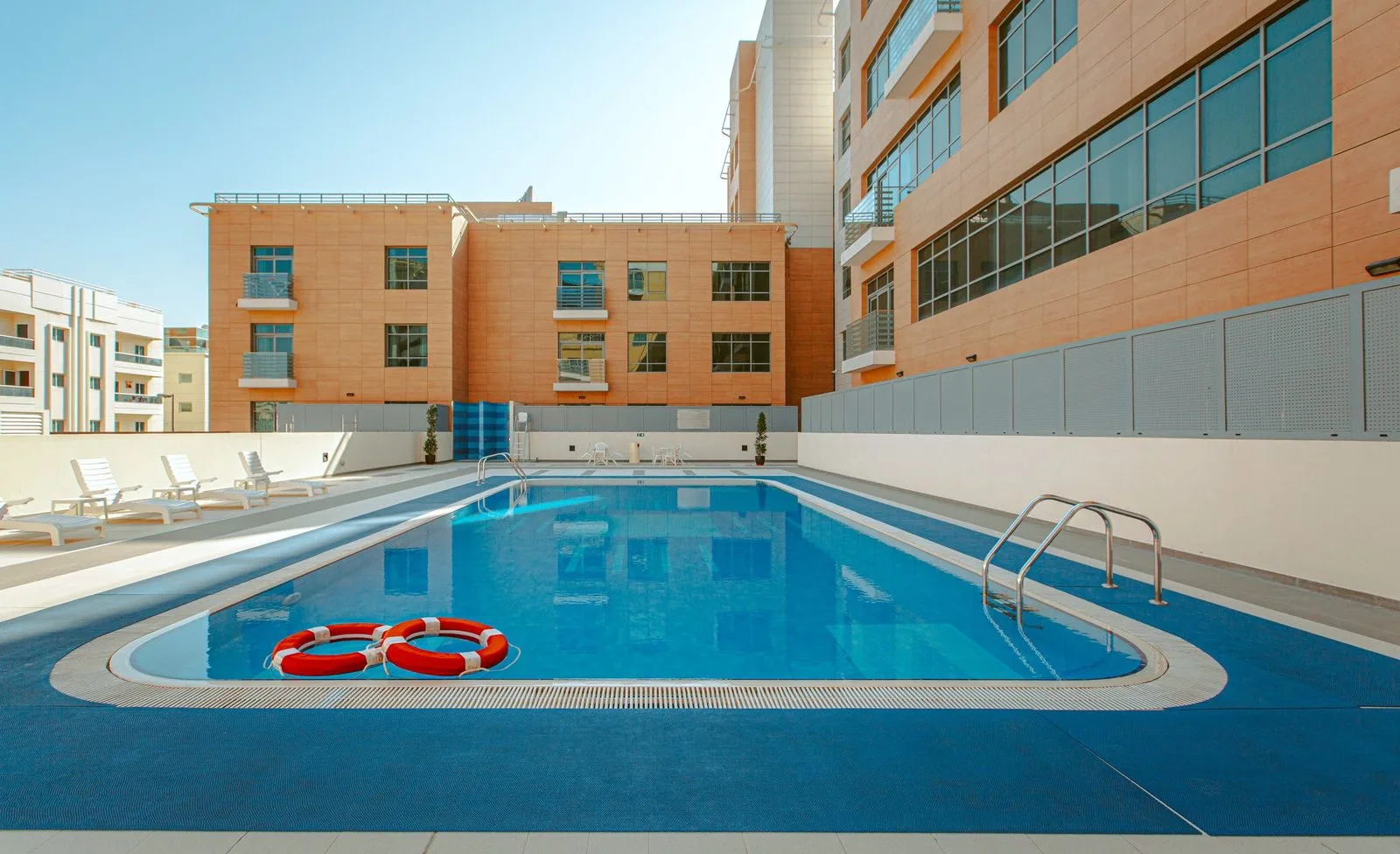
A penthouse in Calpe is usually a top-floor flat or duplex — occasionally a triplex — with a private terrace, often on the roof, as a key feature, and lift access in many but not all buildings: a renovated example in Manzanera is marketed without a lift, so access must be checked building by building. Newer or resort-style complexes add communal pools, gardens and underground parking. The stock ranges from resale properties in older buildings to a small cluster of high-rise developments near Arenal-Bol; views of the Peñón de Ifach can command a premium. For a penthouse, the rooftop is usable outdoor space exposed to sun and wind: hours of sunshine, views and legal rights to the outdoor space can be as important as the interior. In a high-rise building, shared ownership also means community fees, collective decisions and a reserve fund.
Where penthouses in Calpe are usually found
Arenal-Bol & the beachfront: Avenida de Europa, Avenida de Rumanía, Calle Grecia, Calle Letonia and Calle Gran Bretaña — the tower clusterLa Fossa & Fossa-Levante: established seafront blocks and those one street back around the promenade and Calle LlevantCalpe Pueblo: Avenida Ifach and Avenida Gabriel Miró — top-floor flats close to everyday amenitiesManzanera-Tosal & Canuta: scattered resale properties on the hillsides — lift access and walking routes checked building by buildingCurrent supply
The current penthouse supply in Calpe
Calpe’s penthouse listings are easy to find, but there is no official count: listings vary between property portals and can include duplicate or differently classified adverts — these listings are not a census, and the municipality publishes no separate penthouse statistics. Supply falls into three categories. Resale forms the core of the market: top-floor properties along both beach corridors, in the centre and in the hillside pockets, assessed building by building. Renovated properties form part of that resale supply, although no reliable figure shows their share of the market. New build is a small but visible segment: a concentrated group of towers near Arenal-Bol, rather than the dominant property type across the municipality. The municipal dashboard illustrates tourism’s role in the market: the 2024 tourist accommodation dataset counts 5,267 entries in the “Apartamentos” category with capacity for 26,304 guests — a dataset about holiday accommodation, not a housing count or evidence that any individual property may legally be let.
The core of the market
Resale forms the core of Calpe’s advertised penthouse supply: top-floor flats and duplexes in the town centre, along Arenal-Bol and La Fossa, and in the residential pockets of Manzanera-Tosal and Canuta — with sea views and terraces that vary building by building. Online availability changes: counts differ between portals, listings may be duplicated or classified differently, and a property advertised today may be gone tomorrow. For the buyer that means two things: properties need to be compared building by building, with their supporting documents, and a thorough search covers the whole municipality rather than a single portal. This segment offers an established track record: historical fees, minutes recording roof and lift decisions, and, in the centre, year-round shops and services that support its appeal for winter stays.
A property description, not a measured market share
There is no reliable breakdown of renovated penthouses in Calpe — so a precise “renovated share” cannot be stated. “Renovated” usually refers to the individual property: kitchen, bathroom, glazing, air-conditioning, terrace tiling. The label alone says nothing about the building — roof membrane, drainage, lift, structure — or the legal status of rooftop alterations such as glazing, pergolas or rooftop rooms. A renovated example in Manzanera, for instance, is marketed without a lift: renovation and access are two different questions. Ask what was replaced or built, which permits covered the work, and whether the invoices, plans and technical reports are available — the age of an alteration does not prove that it is lawful.
Small, visible and concentrated
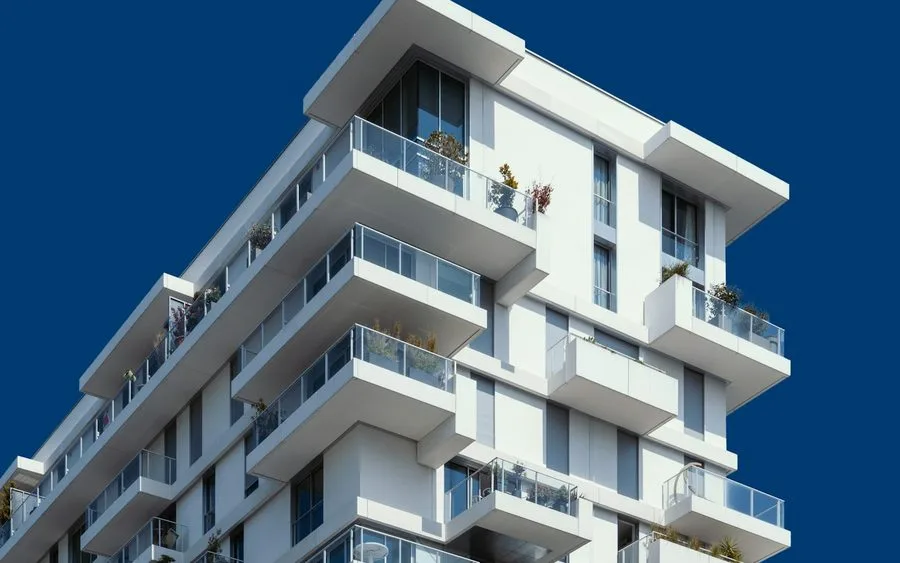
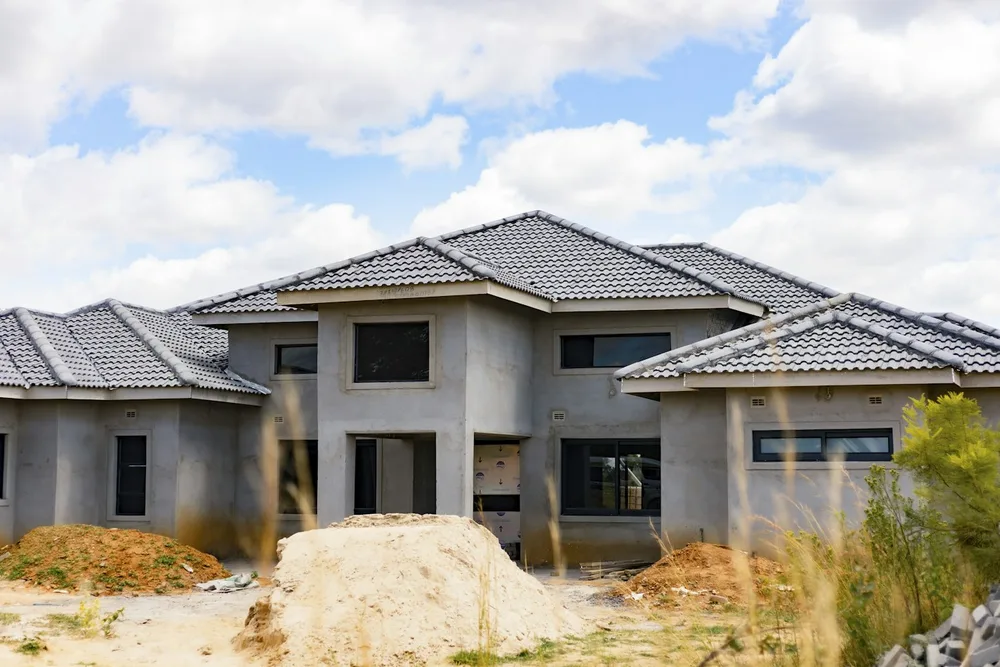
Calpe’s new-build supply is concentrated in a small, visible group of high-rise developments near Arenal-Bol — on or close to Avenida de Europa, Avenida de Rumanía, Calle Grecia, Calle Letonia and Calle Gran Bretaña — with high floors, generous terraces, views of the sea and the Peñón, lifts and usually parking. This describes the pattern of available properties rather than a measured market share; outside that cluster, new-build penthouse supply is scarce. Use development names to guide your search, but check the phase, community budget and property type in each case. Check the licence, phase, completion certificate and first-occupancy documentation for the specific property. Also assess the owners’ association established after handover: actual fees and reserve-fund contributions may only become clear once the building is operating.
- 1The interior is not the building
A new kitchen and new bathrooms do not establish the condition of the roof membrane, drainage, lift or structure — and at the top of a building by the sea those checks help distinguish a sound purchase from one likely to need costly repairs: sun, salt and wind affect membranes, frames, metalwork, seals and air-conditioning. Ask what was replaced inside the individual property and in the communal areas, which permits covered the work, and whether invoices and technical reports are available.
- 2Check each tower’s completion status
In a small tower cluster, the label “new” does not establish completion status: the unit you see may be in a phase that does not yet have final completion documentation, while the tower next door has been occupied for years. Building licence, approved project, phase breakdown, completion certificate, first-occupancy documentation, energy certificate and warranties — the full set of documents must relate to the specific property, rather than simply to the development advertised in the brochure.
- 3Managing a high-rise building
High-rise buildings rely on lifts, façade systems, pools and shared installations — which affects running costs: fees cover those installations, major works require collective decisions, and the reserve fund affects any additional contribution needed for façade or lift repairs. Request the recent minutes, the budget, the reserve-fund balance and a certificate confirming any outstanding community fees. Since 3 April 2025, starting tourist letting under the Horizontal Property Act (Ley 49/1960, with Organic Law 1/2025) generally requires the owners’ association’s prior express approval — a decision of 30 July 2025 concerning a Calp property applied this requirement to a new application. The statutory threshold is three-fifths of all owners, representing three-fifths of the ownership shares; existing lawful operations may be subject to transitional provisions.
- 4Built, usable & terrace area
Spanish adverts may combine several areas in the headline figure: interior, covered terrace and open roof terrace — which distorts €/m² comparisons and can hide a smaller interior than the headline suggests. Count interior, covered terrace, uncovered terrace or roof terrace, storage and parking separately, and reconcile them with the nota simple, the deed, the cadastral records and the approved plans. Never add terrace area to the interior without explaining how it has been calculated.
- 5Renovated is not new build
A refurbished resale property does not automatically have the same warranties or completion documentation as a new build, and the underlying building may be much older. Factor this into the price: assess the renovated penthouse against the building’s age and maintenance history, and compare it with the tower cluster near Arenal-Bol using documented information. A renovated property may still have no lift: check access building by building, regardless of the refurbishment.
Concentration
Where is the penthouse supply in Calpe concentrated?
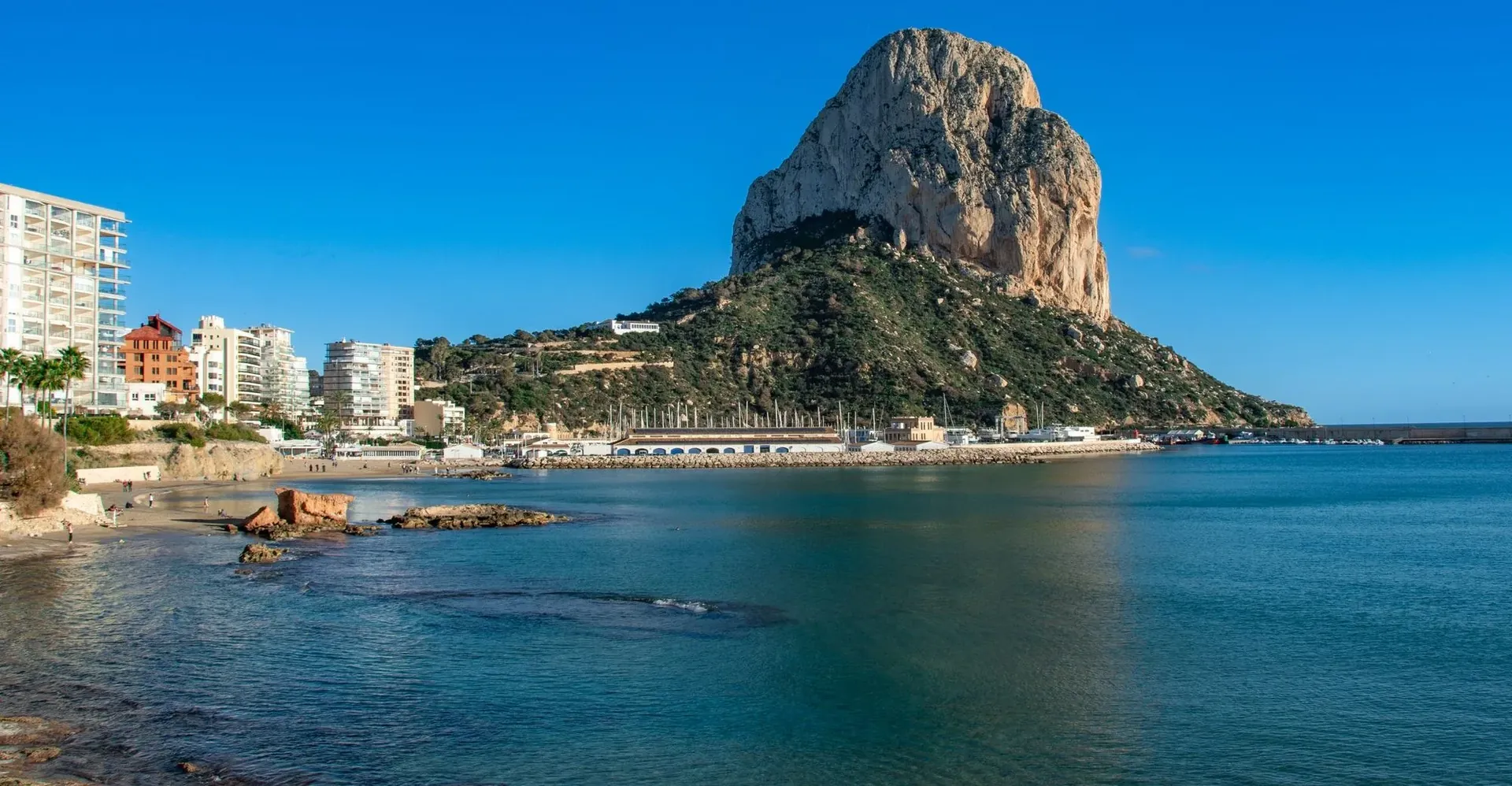
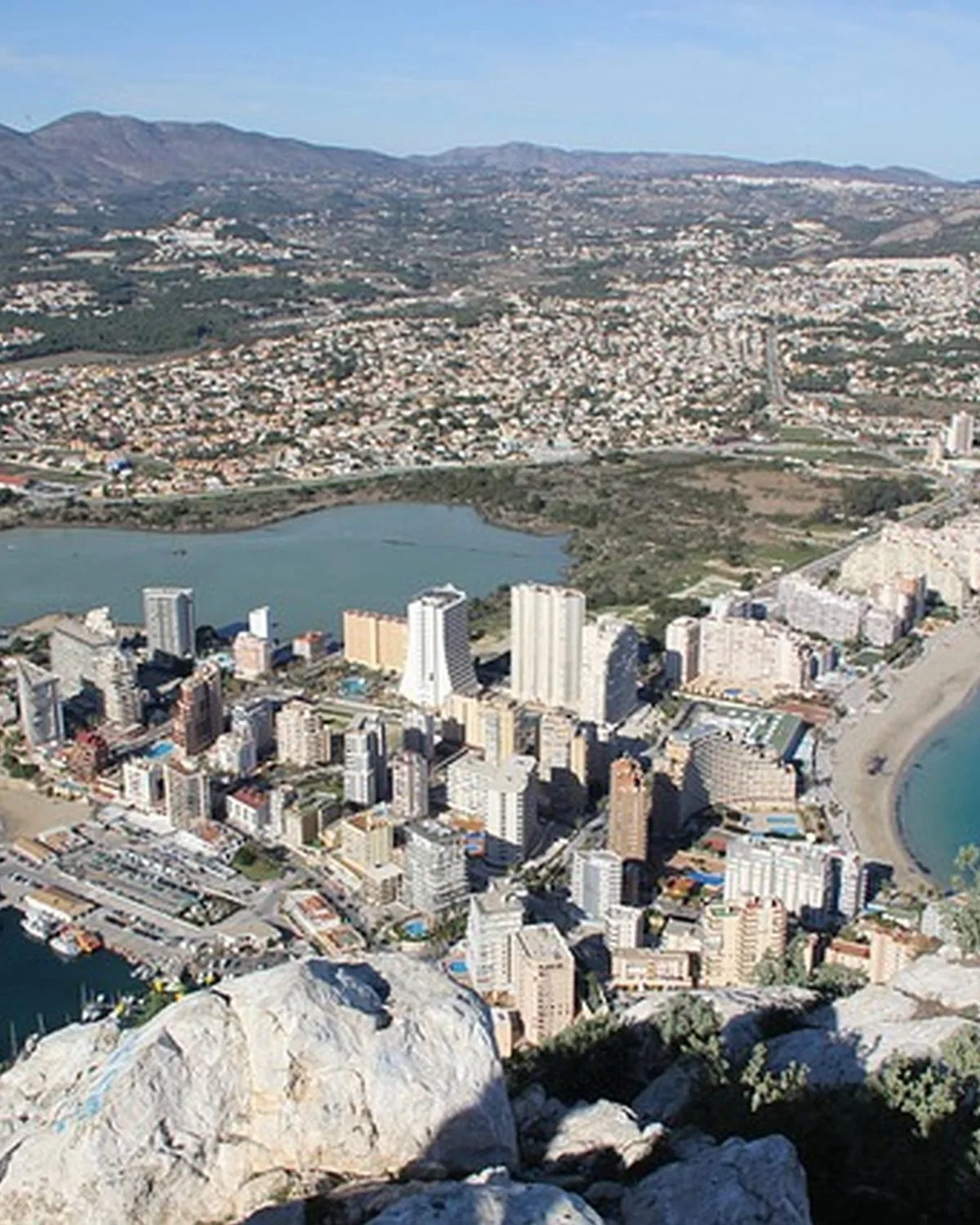
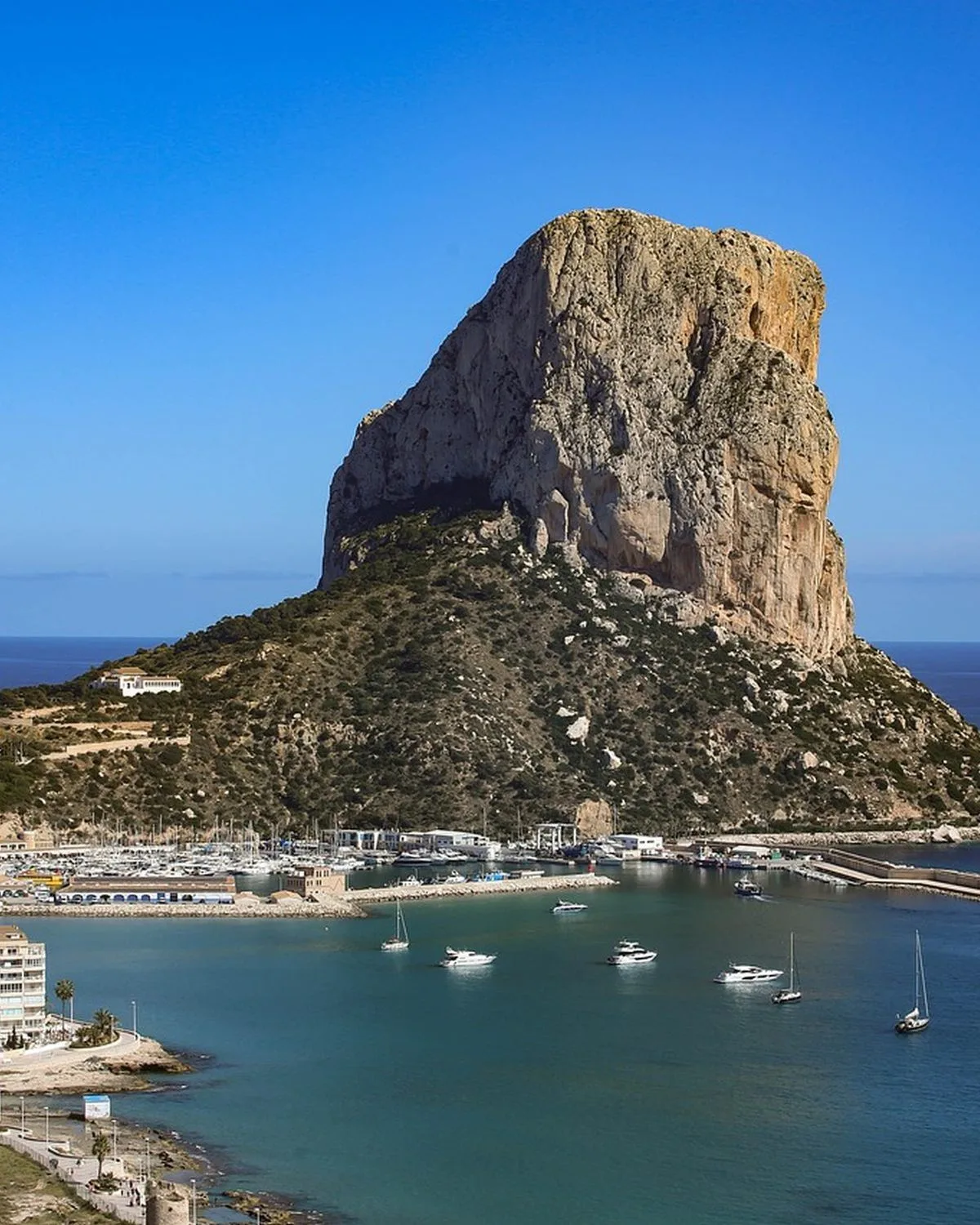
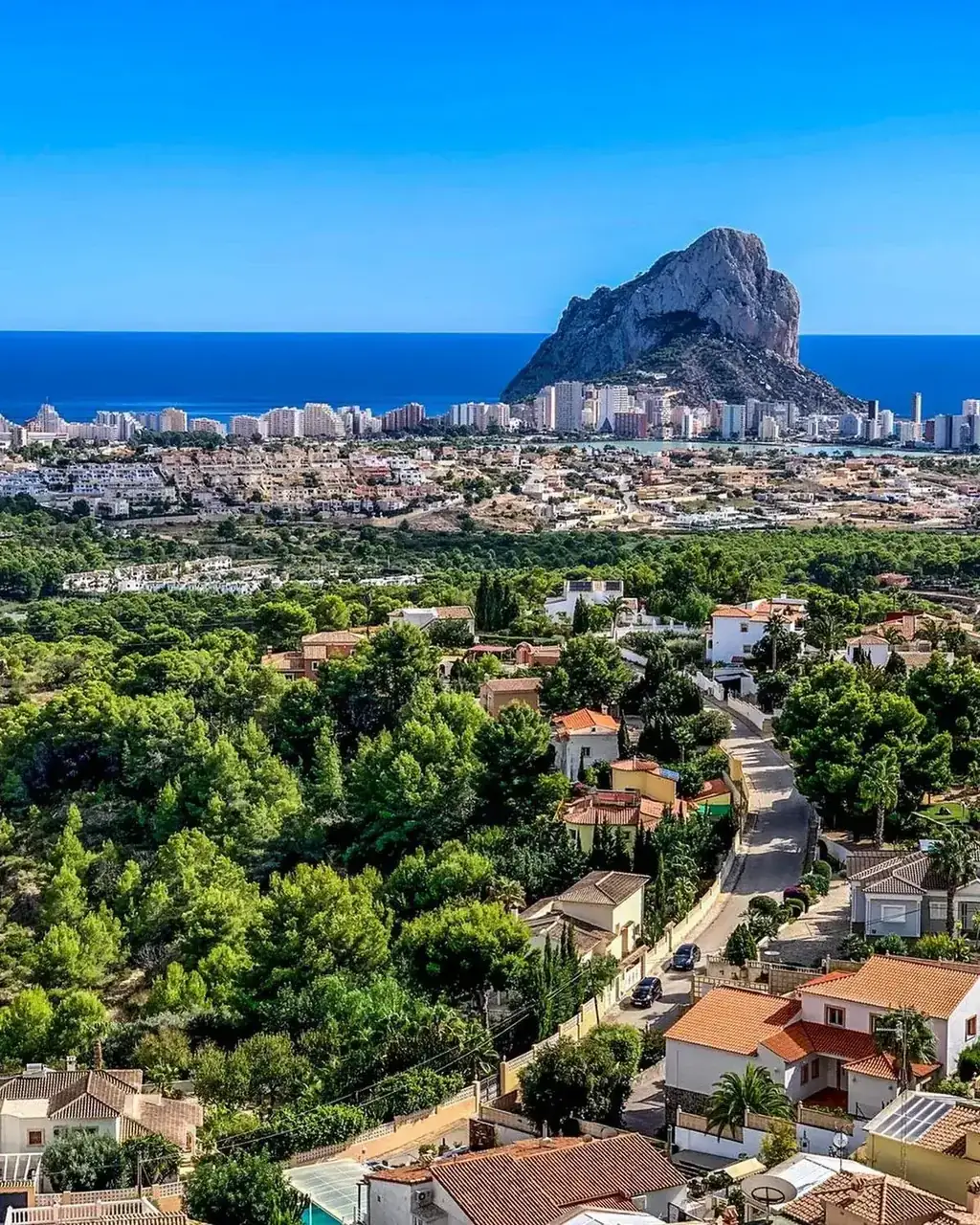
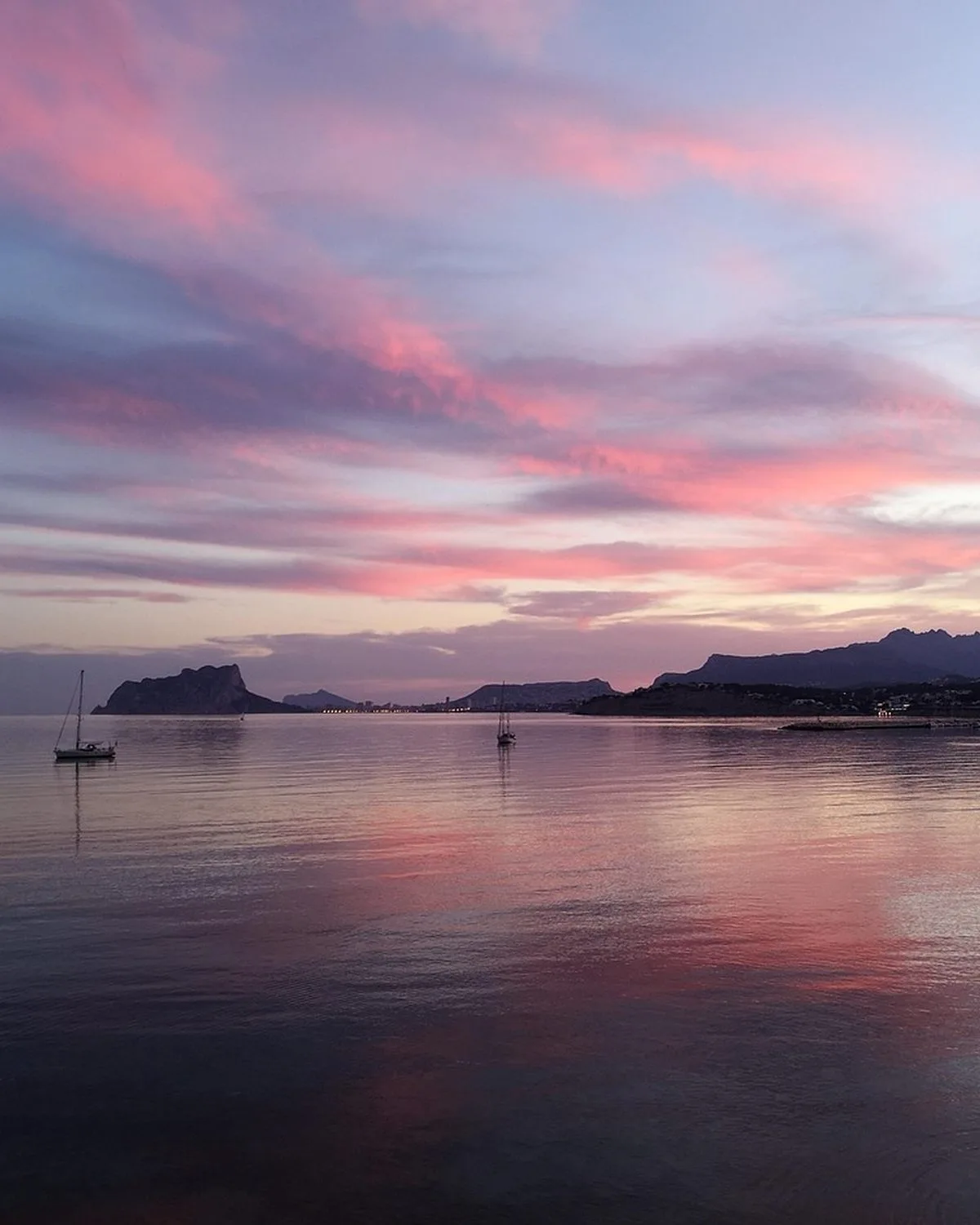
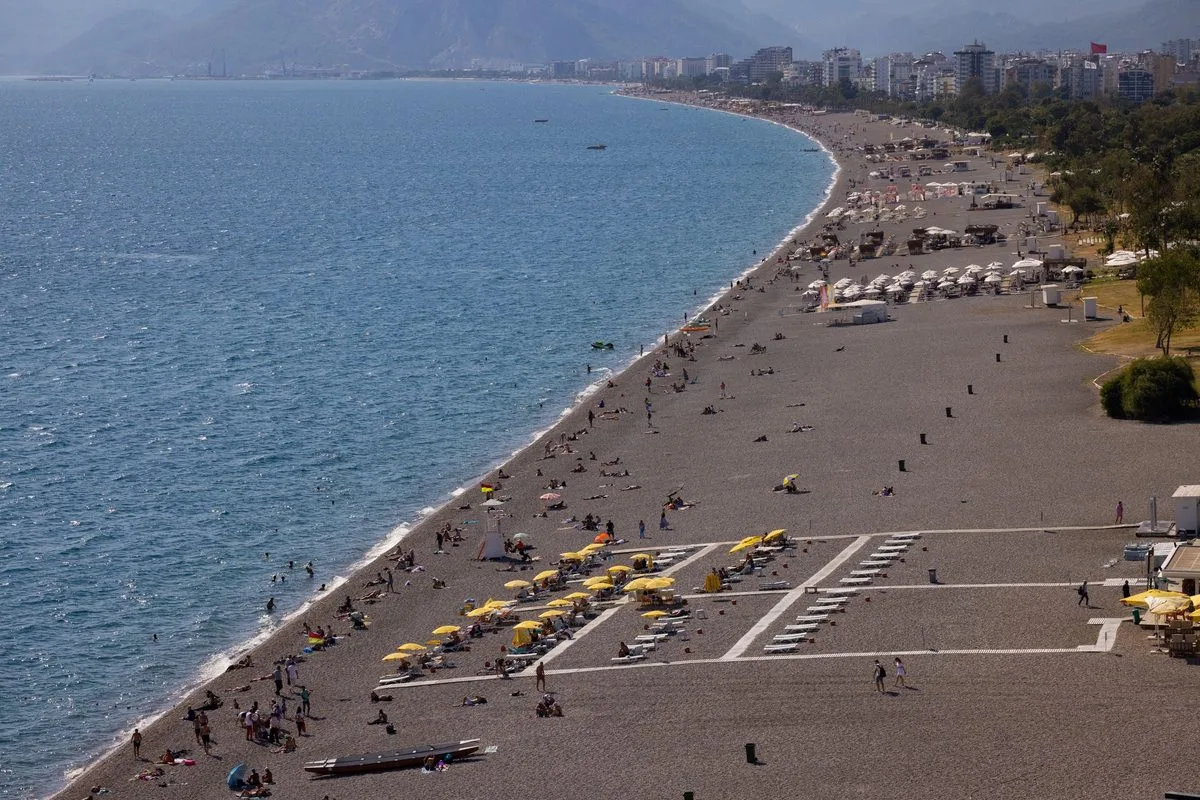
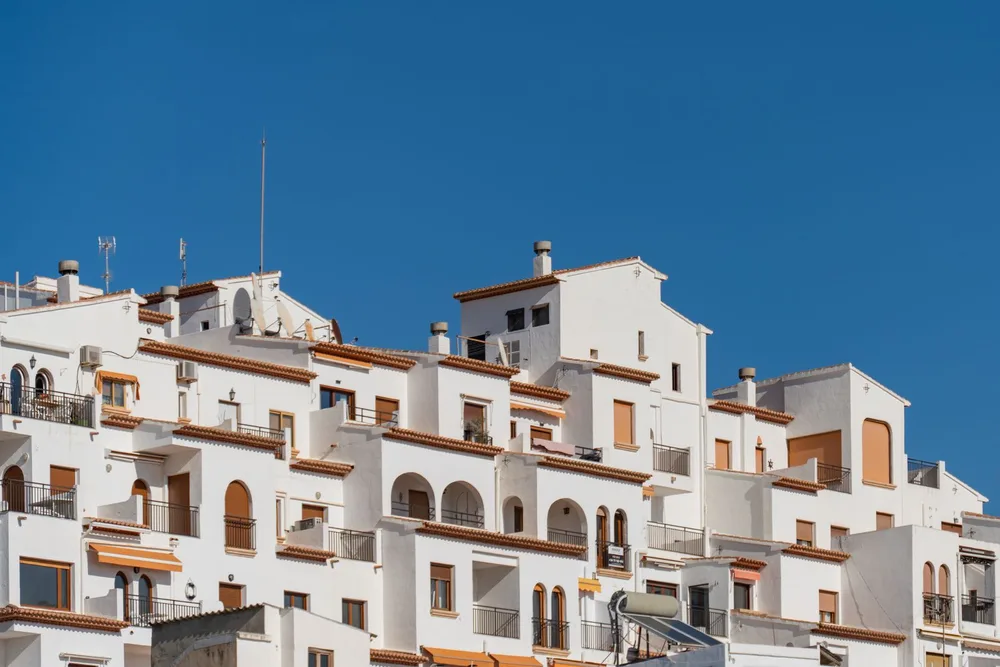
Calpe combines two urban beaches — Arenal-Bol and La Fossa-Levante, the municipality’s two principal sandy beaches — with a compact town behind them, framed by the Peñón de Ifach, the salt flats, the port and the old town. Advertised penthouses are concentrated in four areas: the Arenal-Bol beachfront with its tower cluster, the established seafront of La Fossa around Calle Llevant, the town centre around Avenida Ifach and Avenida Gabriel Miró, and the dispersed residential pockets of Manzanera-Tosal and Canuta. Each area has its own photo below — select a location in the list and the photo follows.


Arenal-Bol & the beachfront
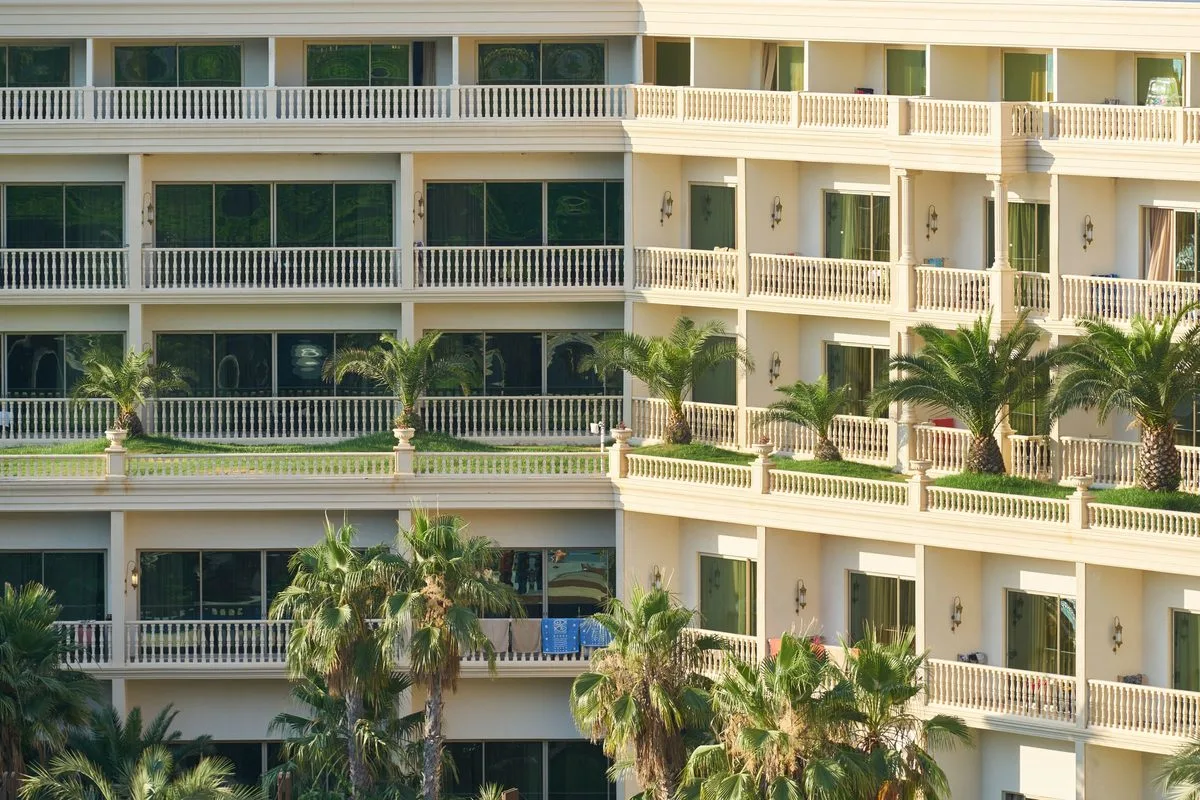
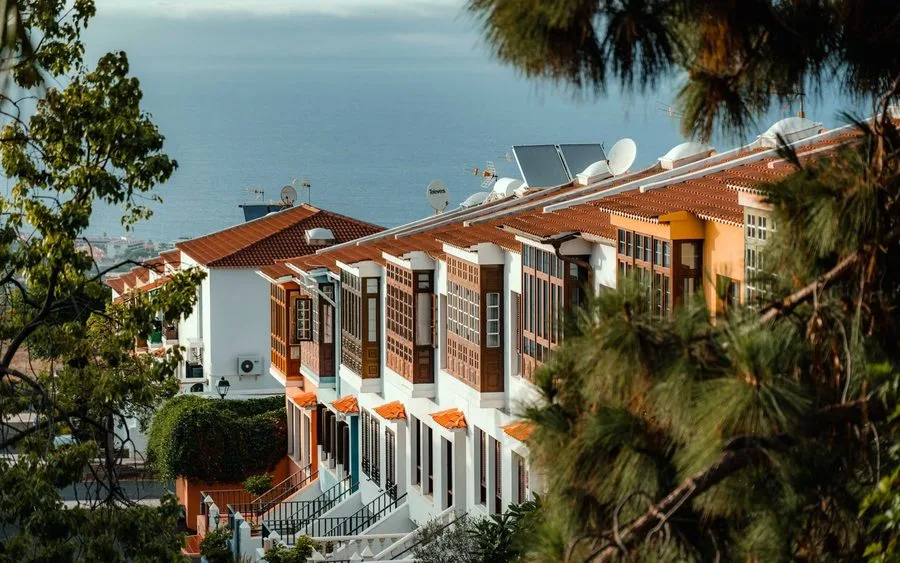
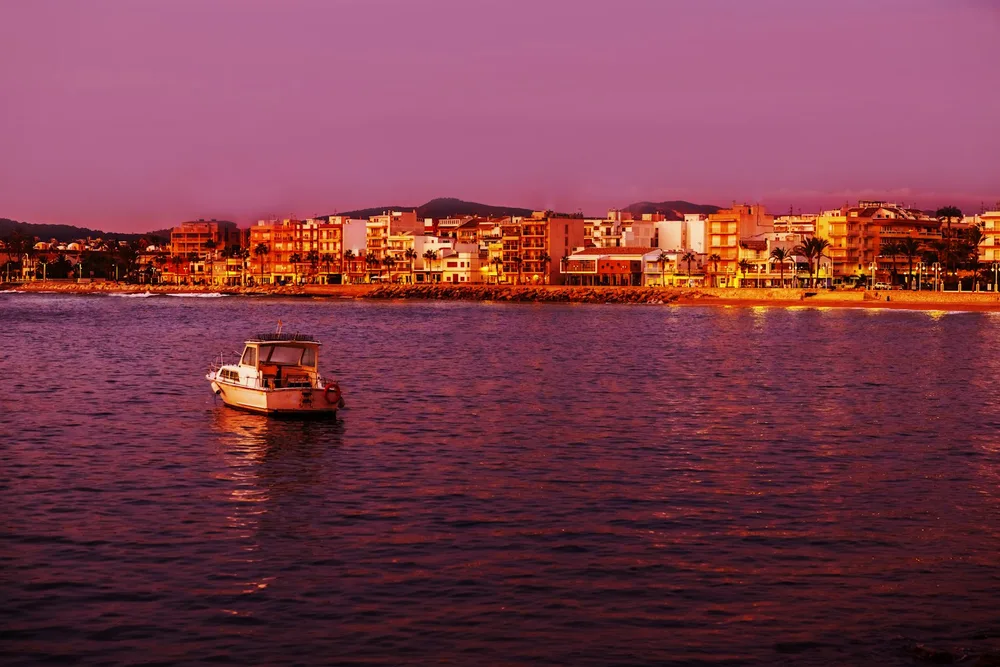
Calpe’s clearest concentration of penthouse listings: along Arenal-Bol and the central beach corridor run Avenida de Europa and Avenida de Rumanía, with streets such as Grecia, Letonia and Gran Bretaña behind them — the most visible cluster of high-rise and new-build penthouses, with high floors, generous roof terraces and outlooks towards the sea, the Peñón de Ifach and the salt flats. The centre and the promenade sit within walking distance, bringing a choice of properties close to both the beach and everyday services. Resale properties in older towers, a concentrated new-build pipeline and renovated units stand side by side here — you can compare several properties within the same walkable area.
High-rise and new-build penthouses with lift access, parking and a large roof terrace. Compare properties in this area by building age, floor level, openness of the views towards the Peñón or the sea, roof and terrace rights in the title, and the area breakdown: interior, covered terrace and open roof terrace counted separately. With new build, the full set of documents — licence, project, phase, completion documentation — must relate to the specific property.
Height offers panoramic views, but also means more sun, more wind, more salt, and a building that depends on its lift every day. The beachfront also changes with the season — activity, traffic and parking pressure can affect the property in August. Visit the property during the peak season and in a quiet month, and check the area breakdown before comparing prices per square metre: two apparently similar penthouses can offer very different amounts of usable space.
La Fossa & Fossa-Levante
The long urban beach and promenade of La Fossa-Levante, with Calle Llevant as the reference point: seafront blocks and those one street back whose top floors form the core of the resale stock. Properties here appeal for their combination of sea views, terraces, communal pools and a convenient setting for holidays. The stock is predominantly resale in established buildings, including renovated properties and only occasional newer supply. Fees and building management have an established history, making this segment easier to assess: minutes, reserve-fund records and maintenance decisions can be traced across years. The trade-off is the promenade’s seasonal rhythm — livelier in August than a winter viewing suggests.
Resale top-floor flats in established seafront blocks and those one street back, with sea views, a terrace and a communal pool as key selling points. Compare properties in this area by roof and terrace rights in the title, wear caused by salt and sun on glazing and external metalwork, and the specific building’s fees and reserve fund — and seasonal conditions at the property: noise, parking and the promenade’s rhythm in August.
The premium location comes with a livelier seasonal setting: the same promenade that attracts summer visitors brings activity, traffic and parking pressure to the front door. Factor in the running costs of a seafront building: façades, pools and shared equipment need regular maintenance. Visit in August as well as June to judge whether the seasonal activity suits you.
Calpe Pueblo & the centre
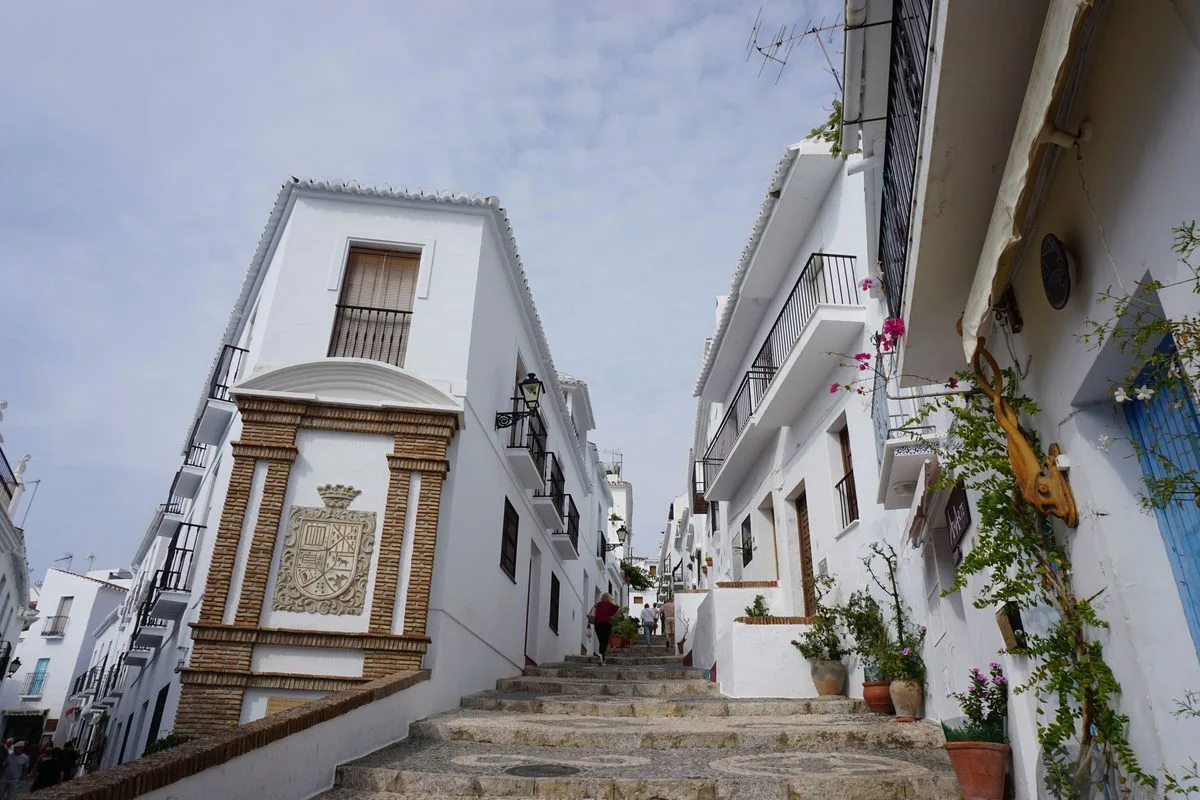
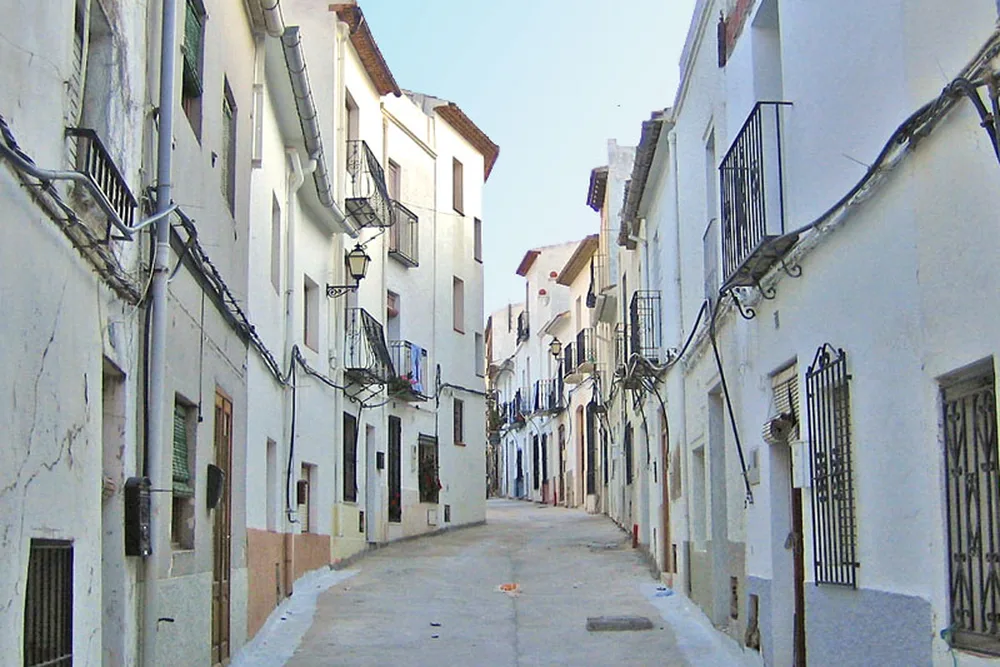
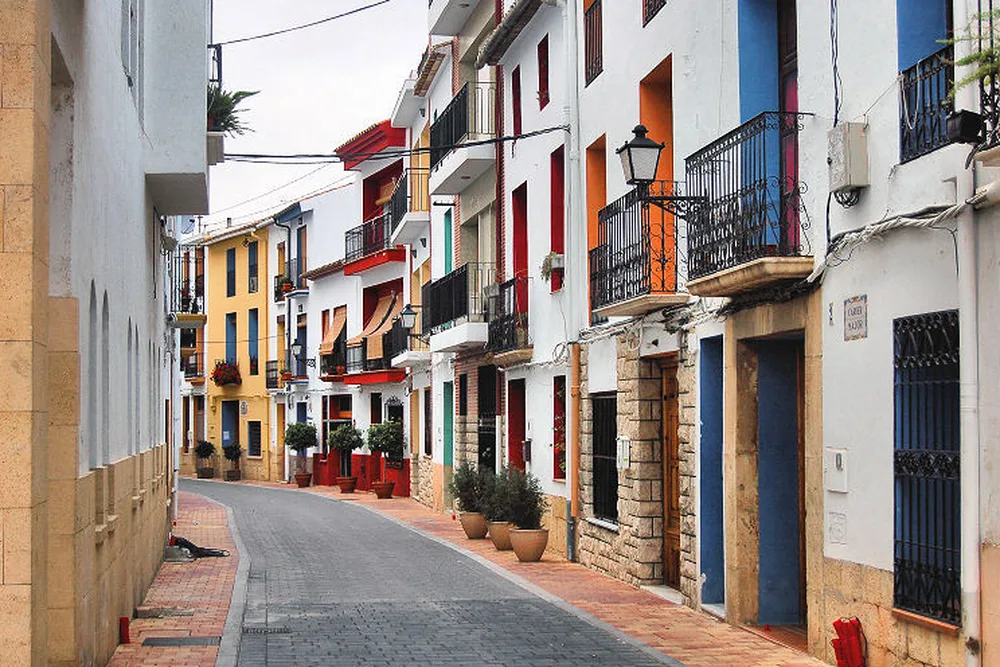
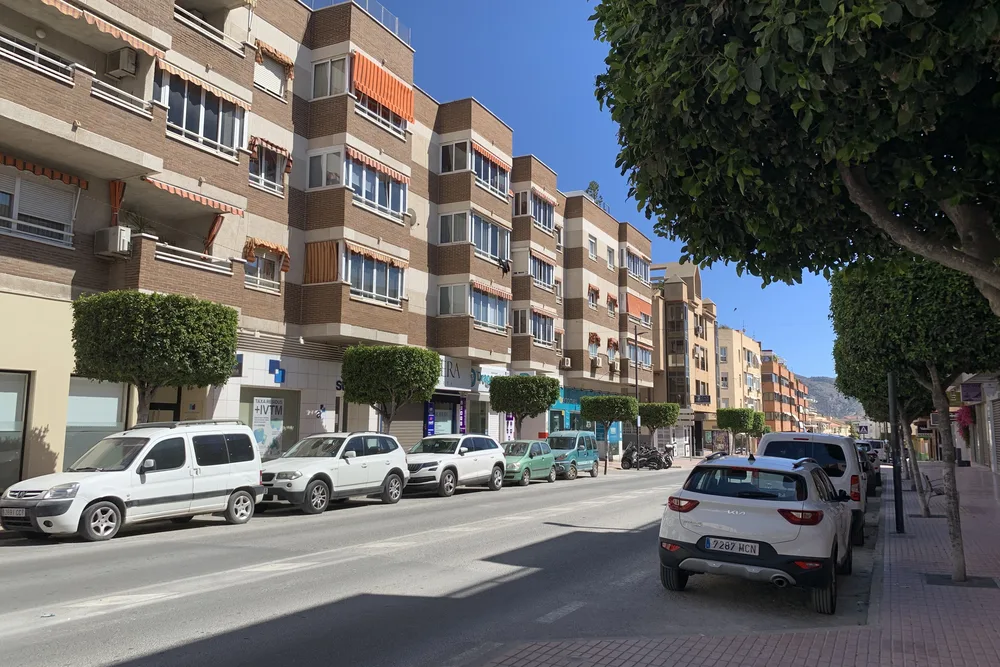
Everyday life in Calpe: around Avenida Ifach, Avenida Gabriel Miró and the streets around them, shops, markets and services sit within walking distance, and above them stand smaller top-floor flats and duplexes of the town centre — predominantly resale, including renovated units, in an area with an older housing stock: 43% of municipal homes are more than thirty years old, according to the municipal Urban Agenda. Sea views and terraces vary building by building, and suitable properties tend to be occasional finds rather than part of a consistent street-wide pattern. Buyers planning to live here year-round or use the car less often may find some of the municipality’s most practical locations here.
Occasional top-floor flats and duplexes in older town blocks, often without a pool or parking — lift access, roof condition and building management need to be checked individually. Assess each property on its own documentation, as direct comparisons in the same street may be unavailable: roof and terrace rights in the title, the building’s condition, the management of the specific block, and the walking route to shops and beach — a “central” address does not always offer convenient access.
A town-centre address offers year-round convenience, but often in an older building: lift, roof membrane, electrical installation and building-management history deserve as much attention as the sea view. Have a surveyor assess those points, request the minutes and a certificate confirming any outstanding community fees, and walk the route to beach and shops in both seasons before deciding that the location meets your needs.
Manzanera-Tosal & La Canuta
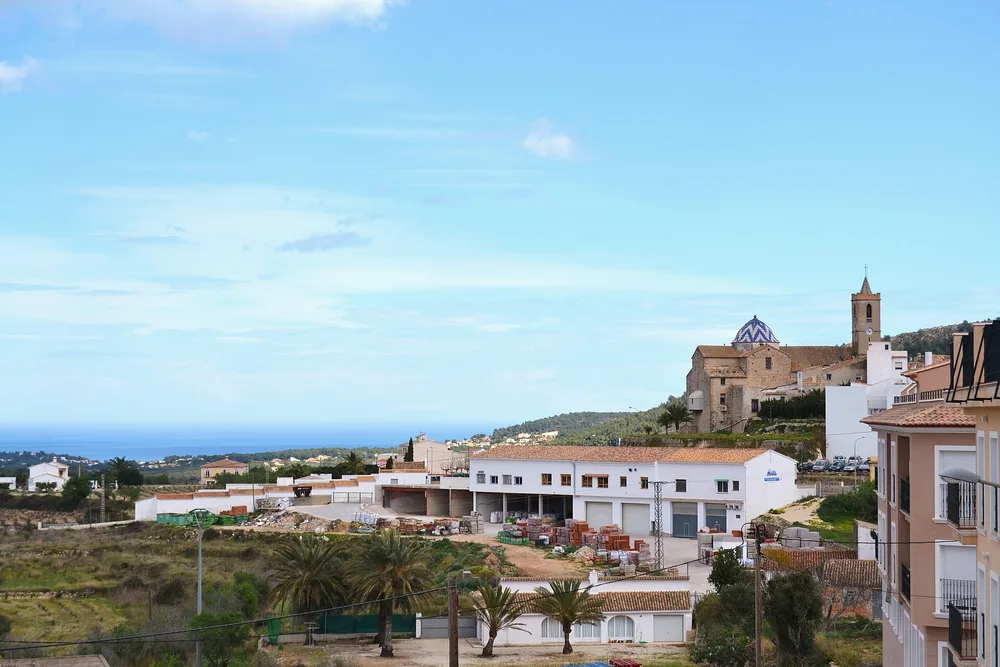
The residential pockets south-west of the centre: Manzanera-Tosal, Canuta and Canuta I have a scattered supply of properties — individual top-floor flats with occasional sea or mountain outlooks and larger terraces, predominantly resale including renovated examples and little visible new build. Terrain matters here: check slopes, steps, nearby bus stops and lift access for each building — a renovated example in Manzanera, for instance, is marketed without a lift. For buyers seeking a quieter setting, these areas may offer more space for the budget than the beachfront, with daily life less affected by seasonal tourism — provided the route to shops and beach has been tested.
Scattered top-floor flats with generous terraces and occasional outlooks towards the sea or inland landscape. Direct comparisons in the same street may be unavailable, so also compare properties with those in the beach corridors and the town centre: roof and terrace rights in the title, the management of the specific building, lift access to the penthouse level, and the practical question of whether slopes and distances to shops and the beach suit your daily routine.
“Close to the sea” does not automatically mean an easy walk here: check slopes, steps, nearby bus stops and parking at the specific property, in both seasons. Check lift access before making an offer; the renovated Manzanera property marketed without a lift illustrates why this matters.
The salt flats, the Peñón & the coastline
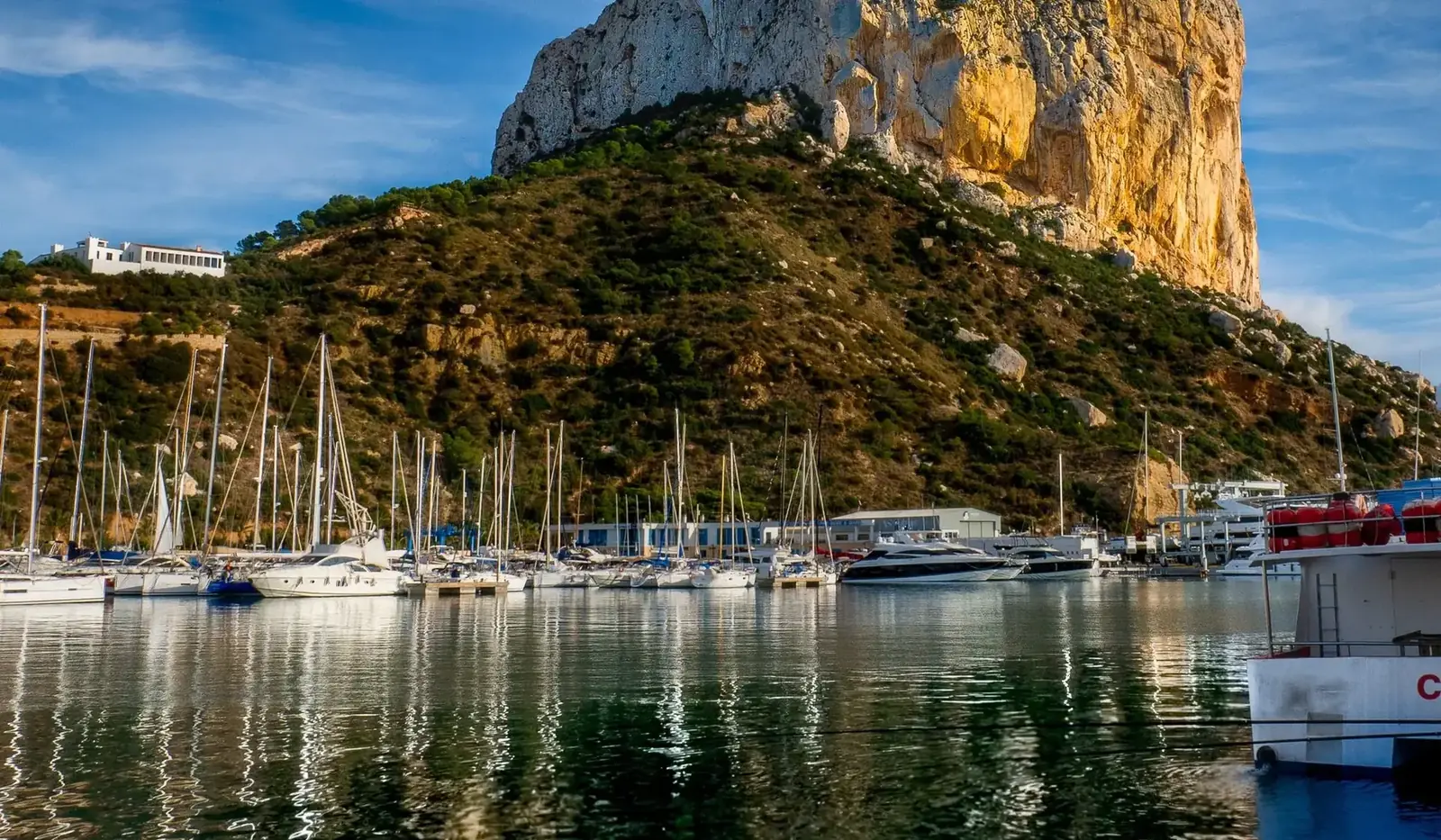
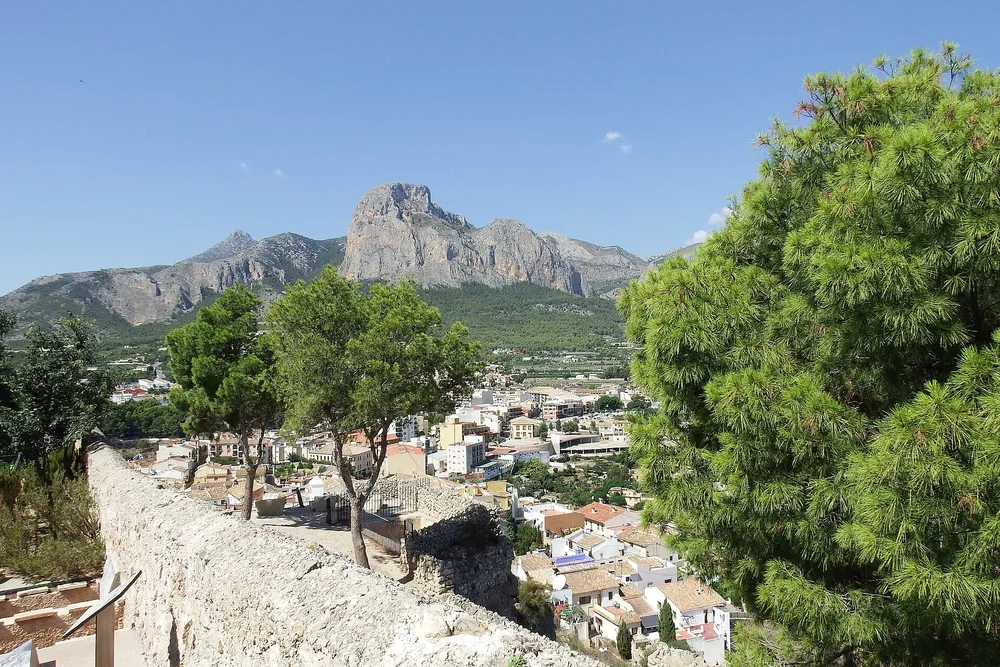
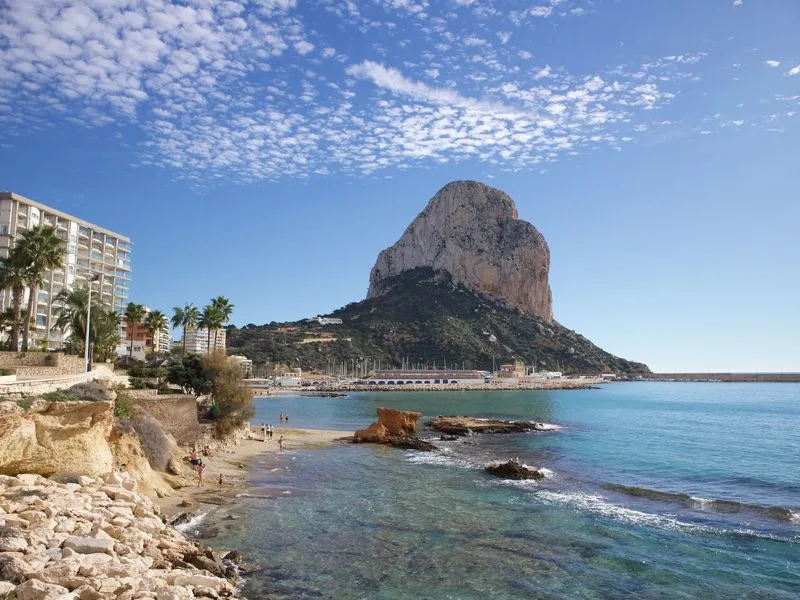
The natural setting that contributes to Calpe’s appeal: the Peñón de Ifach overlooking the bay, the salt flats of Las Salinas with their birdlife, the port and the old town in between. For penthouse buyers these surroundings can add value to the view, but also bring planning and coastal restrictions: at an address on or near the sea, the coastal zone with its maritime-terrestrial public domain (Coastal Law 22/1988) may affect the building or planned works, and the official coastal boundary must be checked for each plot and cannot be inferred from beach proximity alone. Protected status does not, by itself, guarantee an unchanged view: check both the applicable restrictions and the scope for nearby development.
This is a setting for nearby penthouse clusters rather than a separate concentration of properties: units on the beach corridors share this panorama. For a property on or near the coast, check the coastal demarcation and any protection zones for the specific plot — and establish how coastal rules affect any planned façade or roof works before signing.
Protected surroundings still require checks: confirm for the specific property where the coastal zone runs and which easement or protection applies to the building — proximity to the beach alone neither proves nor rules out a breach. Request confirmation from the relevant coastal authority before making an offer.
Towards Benissa, Moraira & Altea
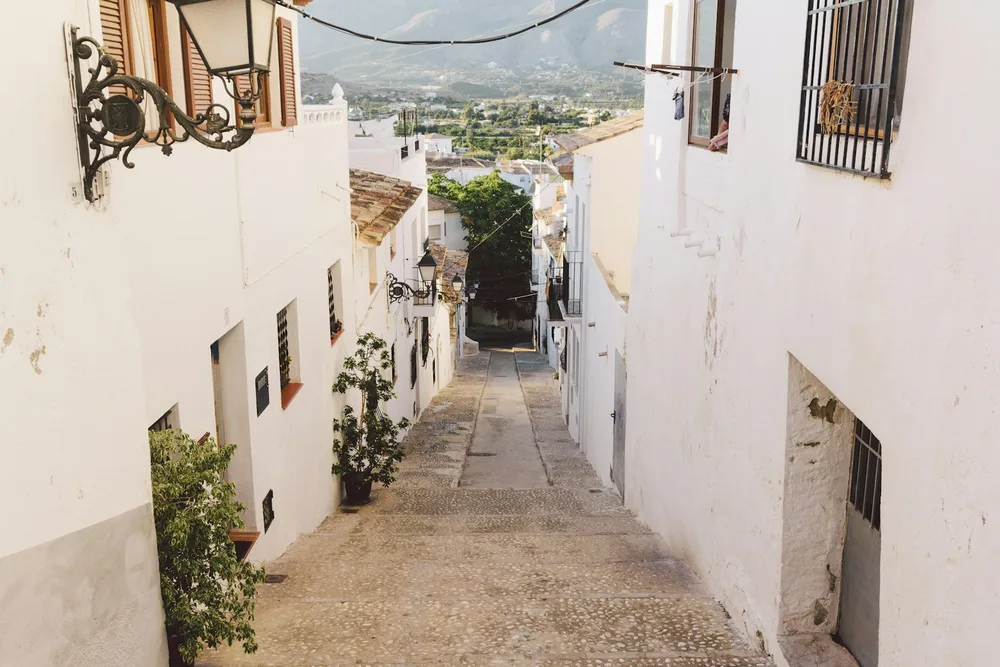
Calpe sits between established markets: Benissa to the north-west and the coast towards Moraira to the north-east, with its series of coves and the height limits that make penthouses rare there, and Altea to the south, with its whitewashed core and a distinctive penthouse market with limited supply. For buyers considering Calpe, these towns provide useful comparisons: the same budget can buy a different type of property elsewhere — a different municipality, a different planning framework such as each town’s own PGOU, different building-management arrangements and a different tourist-use regime. Compare each property’s documents and circumstances as well as its asking price, and consider Calpe’s own strength: an established town with year-round services between the beach corridors.
Benissa has a small, concentrated penthouse market around the town and its coastal pocket, Moraira has limited, often higher-priced stock subject to height restrictions, and Altea has a distinctive market around the old town — all useful as benchmarks for prices and property types. Buying in another municipality means starting the local checks afresh: a different town hall, a different planning framework, a different tourist-use regime — and the same core questions about roof and terrace rights and building management.
Comparing neighbouring towns helps refine your search: does a penthouse on the beachfront suit you, or does the same budget in Moraira or Altea buy a different way of living? Visit both locations to check services, beach access and winter conditions. Confirm which municipality and rules apply to each property before treating Calpe’s position between Moraira and Altea as an advantage.
Market data
Calpe Property Market Data
Price logic
How penthouse prices vary in Calpe
A town-wide average has limited value in this market: supply ranges from resale properties in older buildings to a small cluster of high-rise developments near Arenal-Bol, and prices along the beachfront vary by floor — the higher and more open the outlook over the sea and the Peñón, the further from the town average. A penthouse adds a distortion of its own: the headline area in listings can merge interior, covered terrace and open roof terrace, so two apparently similar penthouses can offer very different amounts of usable space, making €/m² comparisons misleading. The bands below are a guide — derived from our own reading of this market, with approximate boundaries because each property’s price depends on its individual features and documentation — rather than a price list or a snapshot of portal listings.

Explore a price band
01/ 04
Up to ±€300,000
±€300,000–600,000
±€600,000–1,000,000
€1,000,000 and up
What affects the price per m² for a penthouse in Calpe
Prices in this market need to be assessed property by property: within one municipality, asking prices vary by floor level, views and building age, and between resale and the tower cluster similar penthouses can have different features, costs and legal considerations. The seven factors below together explain most of the price gap between two apparently similar penthouses — which is why we compare individual properties and their documents rather than relying on a town-wide average.

Budget levels
What penthouse can you buy at which budget in Calpe?
Three budget bands, three different markets — across three broad settings: beachfront, town centre and hillsides. The boundaries are approximate: within every band prices vary by floor level, views, building age and the exact address. The bands are a guide to focus your search — rather than a guarantee of current availability.
Entry-level properties in the town centre & older buildings
This band offers practical options in Calpe: compact top-floor flats in the older blocks of the town centre, units in the hillside pockets — sometimes without a lift, like the renovated Manzanera example — and resale without pool or parking. Older properties may need work, so allow for electrical upgrades, kitchen refurbishment or a contribution to roof maintenance. It can also offer a good entry point: a well-managed building with a realistic renovation budget and open views may be a better purchase than a newer penthouse with uncertain maintenance costs.
The main beachfront resale market
This is the core of the Calpe market: established resale along La Fossa and in the older towers of the beachfront, roomier units with pool, parking and lift, and renovated properties. Buyers looking for a terrace find the most options here — and properties with unobstructed views of the sea or the Peñón tend to sit in the upper part of this band.
High-rise penthouses, roof terraces & views
From approximately €600,000 the upper end of the market includes penthouses in the tower cluster near Arenal-Bol with generous roof terraces and a newly established owners’ association, alongside exceptional seafront resale properties of La Fossa with wide panoramic views. Supply in this band is limited and scattered. Assess each property individually, focusing on roof rights and condition, building management and views, and verify the brochure’s completion claims against the documents.
A personal search
Finding the right penthouse in Calpe, together
Finding the right penthouse takes more than browsing listings, especially in a municipality where a tower cluster by the beach, established resale along La Fossa and scattered hillside pockets each require different checks. Tell us your priorities — beachfront or town centre, terrace space and access to services, budget, year-round or seasonal use, and whether you plan to let — and we will send you properties that match, along with the questions to ask at each viewing.

Checks
Calpe-specific checks when buying a penthouse
Every coastal town requires local checks, and three issues deserve particular attention in Calpe: beachfront pricing, with completion status to verify in the small cluster of new towers; advertised area figures that can combine interior, covered terrace and open roof terrace; and coastal rules that may affect the plot. These are six checks we run on every penthouse purchase in Calpe — for the specific property, building and cadastral plot.
Tourist-letting permissions
- Under the Valencian framework for tourist use — Ley 15/2018, in its consolidated text of 9 December 2024 — letting a complete dwelling to the same guest for ten consecutive days or fewer is subject to tourist-accommodation rules. Before making an offer, confirm the specific dwelling’s planning compatibility and tourism-registration status with the relevant authorities. The Generalitat has removed registrations from the register over problems with the required planning-compatibility report — so an old advert does not establish current permission. Check the current consolidated rules at the time of purchase.
- The owners’ association’s requirements must also be checked: under the Horizontal Property Act (Ley 49/1960, with Organic Law 1/2025, since 3 April 2025) starting tourist letting generally requires the owners’ association’s prior express approval by three-fifths of all owners, representing three-fifths of the ownership shares. A decision of 30 July 2025 concerning a Calp property, published in the BOE (BOE-A-2025-21876), confirmed that a new tourist-use application required that express approval. Read the statutes and annual general meeting minutes, and have a Spanish property lawyer review the individual case, including any transitional provisions for existing lawful operations.
- At national level, Royal Decree 1312/2024 introduced a short-stay rental registration framework. A Supreme Court judgment of 19 May 2026 annulled its single-registration provisions; verify the remaining requirements and current rules — do not rely on an old registration number or a previous owner’s verbal assurance. Before making an offer, also establish whether the tourism registration remains valid after a change of ownership and which permissions require a new application.
Narrowing down
How to narrow your penthouse search in Calpe
Calpe offers enough variety to make a search difficult to focus: two beach corridors, a town centre, hillside pockets, new towers alongside established resale properties — and adverts that present terrace area as living area. These seven filters help narrow the listings to properties that fit your needs and make viewings more useful.

Choose your part of Calpe first
The beachfront of Arenal-Bol and La Fossa with height, promenade and the tower cluster, the town centre with its year-round services, or the hillside pockets with quiet and space: three settings, each with its own stock, its own pricing pattern and its own daily rhythm. A broad search for a “sea-view apartment” can obscure the practical differences between these locations. Choose the setting that best suits your needs; it is one of the most effective ways to focus your search.

Check the measurements like a surveyor
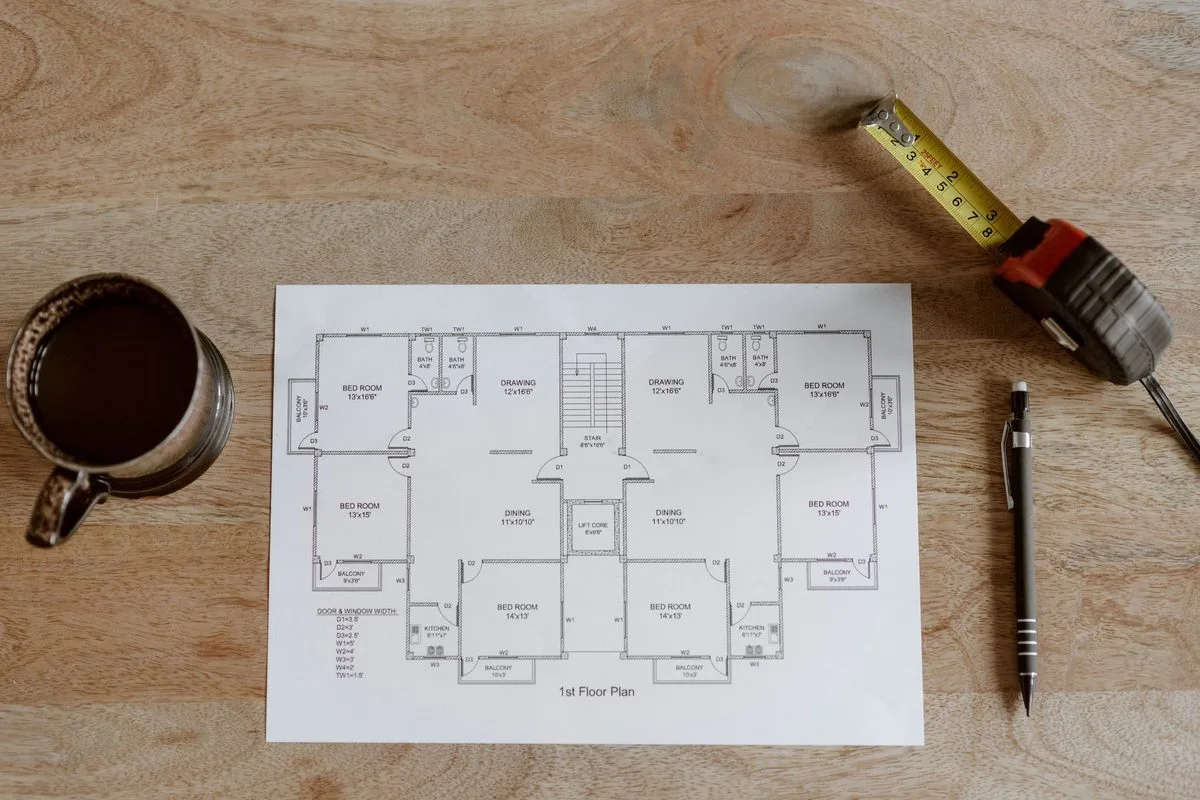
Interior, covered terrace, open roof terrace, storage, parking — areas that penthouse listings may combine into a single headline figure. Request the area breakdown in the deed, nota simple and cadastral records, check it against measurements taken on site, and compare prices on a consistent basis: using headline areas alone can value a roof terrace as if it were interior living space.

Roof and terrace rights in the title
For a penthouse, roof rights should be checked early: whether the roof is privately owned or subject to exclusive-use rights, who pays for structure, membranes and drainage, and whether glazing, pergolas or rooftop rooms have the required permits and owners’ approval. Unclear terrace rights can lead to disputes with the owners’ association, so resolve any discrepancies in the title before buying.

Review the owners’ association’s records
Fees, budget, reserve fund, arrears certificate, planned works: a tower building relies on lifts, façade systems and pools, and major decisions require collective approval. Request the minutes and a certificate confirming any outstanding community fees — and check the statutes for tourist use at the same time: since 3 April 2025, starting tourist letting generally requires prior express approval by three-fifths of all owners, representing three-fifths of ownership shares, subject to transitional provisions. A low fee and an empty reserve fund can mean additional charges later.

Check permissions before planning to let
If you plan to let to holidaymakers, check the legal position before arranging viewings: the specific dwelling’s planning compatibility, the Valencian registration status under Ley 15/2018, the owners’ association approval generally required for new tourist letting since 3 April 2025, and the remaining national short-stay requirements following the Supreme Court’s partial annulment of Royal Decree 1312/2024 in May 2026. A change of ownership may require a new application; confirm this before making an offer. The seller’s existing listing does not establish your right to let.
Check the lift & the walking route
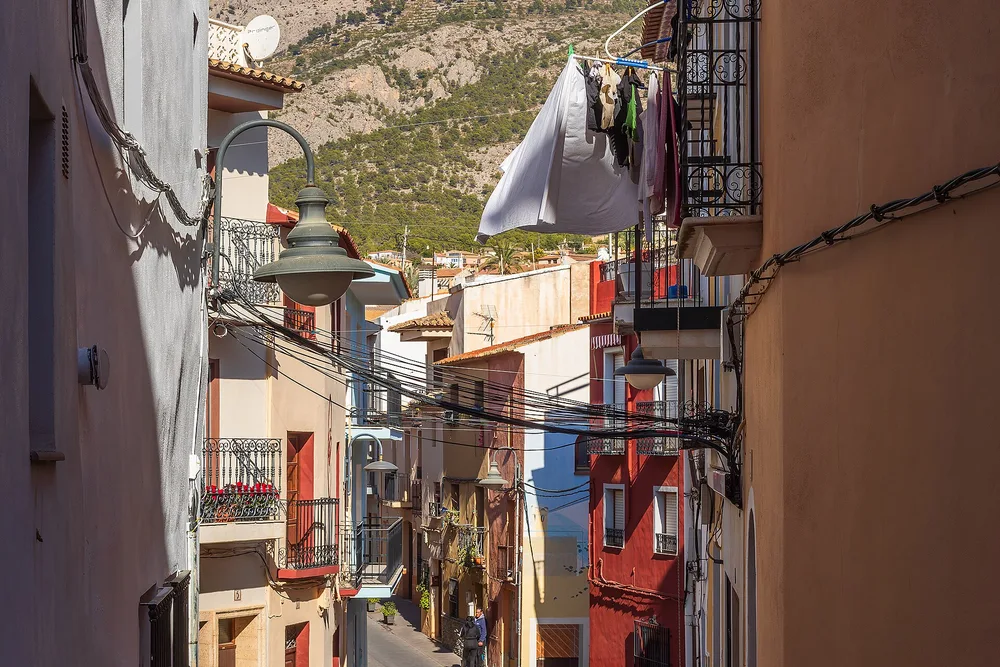
Access is a key consideration for a penthouse: confirm that the lift runs to the penthouse level and to the garage, and that slopes and steps in the hillside pockets — Manzanera-Tosal, Canuta — suit your daily routine. A renovated Manzanera example is marketed without a lift: refurbishment does not guarantee step-free access. Check the full route — garage to lift to terrace to street to beach, in both directions — before you make an offer.
Check seasonal conditions: noise & parking
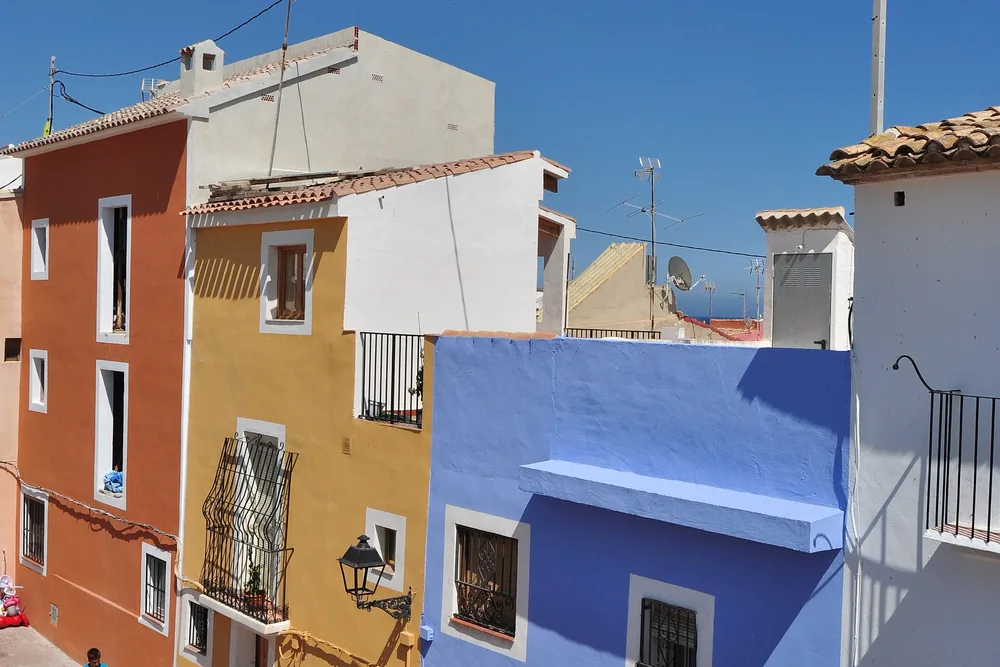
A seafront location offers walkability and views, but conditions change with the season: the August peak brings activity, traffic and parking pressure to the promenades of Arenal-Bol and La Fossa, and nearby holiday rentals may have frequent guest changeovers. Visit shortlisted properties in two different seasons — an August week and a January week — and check parking availability at the building in both months before deciding that a seafront location is an advantage for you.
The lock-up-and-leave second-home buyer
You want a home you can lock up between visits, with a professionally managed pool, gardens and parking — and a beach promenade on your doorstep. Calpe’s beach corridors offer that combination: buildings where the owners’ association maintains the communal areas, services and restaurants within walking distance, and a penthouse you can leave between stays. Check who manages each building year-round and what the fees cover: a successful lock-up-and-leave arrangement depends on effective building management.


- How usable the terrace is in winter: where the sun falls at ten in the morning in January, how hard the wind blows on the exposed floors high above the promenade, and how long you can sit on the terrace without a coat. The height that provides the views also increases exposure to wind — test both in the same week.
- How transport connections work in winter: Calpe sits on the coastal tram route, regional buses connect to Alicante airport directly or via Benidorm — about 70 kilometres according to the council — and local buses and taxis fill in the gaps. Check the current timetables against your destination and season, and check the exact walking route from your address to the stop — a nearby stop does not necessarily mean an easy walk.
- What stays open in January near the property: Calpe is a year-round town — shops and everyday services remain open outside the peak season, with activity around the market, port and old town, which makes the town centre and the beach corridors practical options for winter stays. Check your everyday needs in a quiet month: the supermarket, pharmacy, GP surgery and the routes to them.
- How driving and parking change with the season: on the seafront, parking can be much harder to find in August than in January, and traffic can affect access to the building. Compare parking availability in August with a weekday in January, and check garage access and traffic conditions in both months.
- What the roof looks like in wet weather: puddles on the membrane, blocked drainage, mineral deposits or damp patches, ceiling staining beneath — wet weather can reveal problems that are hidden in summer. At the same time, ask for the building’s leak history: its performance in wet weather tells you more than a summer photograph.
- How comfortable the top floor itself is in the coldest week: insulation under the roof, glazing, shading, heating and cooling, hot water and water pressure, fibre broadband and any separate terrace lighting or water supply. These systems may perform differently on the top floor; test them during the seasons when you plan to stay.
- How the building is managed in winter: buildings with seasonal owners may have fewer residents in February — check who oversees management when most neighbours are away, whether the building keeps functioning fully, and whether the owners’ association continues to hold meetings and progress planned works outside the peak season.
Frequently asked questions
FAQ about buying a penthouse in Calpe
Are penthouses common in Calpe?
Where should I look first?
What price range should I expect?
Can I let my penthouse to holidaymakers?
Does the terrace count in the advertised square metres?
Do I need a car?
Does a private roof terrace automatically belong to the penthouse?
Is Calpe suitable for year-round living?
What should I check when buying a new-build penthouse?
What are the biggest risks when buying a penthouse here?
On the map
Penthouses for sale in Calpe on the map
Calpe lies on the Costa Blanca in the province of Alicante, beneath the Peñón de Ifach.
Browse by Property types
Other property types in Calpe, Spain
Compare penthouses with the alternatives in the same municipality — each with its own trade-offs.
Browse by location
Where to Buy Penthouse in Spain in other locations?
Calpe sits between Benissa and Altea — and other penthouse markets lie along the same coastline and transport routes: north to Benitachell, Jávea and Dénia, south to Altea and high-rise Benidorm. Twelve towns, each with a penthouse market of its own.
A hillside alternativePenthouses in Benitachell
North of Calpe, between Jávea and Moraira: Benitachell’s penthouses are mainly in hillside residential developments, with older properties in the village and coves along the coast. A useful comparison for buyers who prefer a quiet hillside setting to the beachfront.
Further north · MontgóPenthouses in Jávea
Further north, below the Montgó: with its three centres — old town, port and the Arenal — Jávea offers a broad range of penthouses from historic centre to beach promenade, without the same high-rise skyline.
Castle · ferry to IbizaPenthouses in Dénia
The province’s northern gateway, below the castle: Dénia pairs a year-round town with a broad choice of beachfront properties and ferry connections to the Balearics — the northern end of this stretch of the Costa Blanca.
The north-western neighbourPenthouses in Benissa
Calpe’s neighbour to the north-west: a historic town with services within walking distance and the coastal strip of Benissa Costa with its series of coves. The penthouse market is small and concentrated — in the town around l’Alcúdia and Doctor Fleming, and the coastal pocket of La Fustera.
North-east of Calpe · marinaPenthouses in Moraira
The whitewashed coastal town in the municipality of Teulada, north-east along the coast, with a marina and eight kilometres of beaches and coves: height restrictions preserve a low-rise skyline — penthouses are rare here, low-rise and often at the higher end of the market, making Moraira a useful alternative for buyers seeking a quieter coastal setting.
The southern neighbourPenthouses in Altea
The immediate southern neighbour, with the coast running towards Altea Hills and Mascarat: with its old town, Garganes and the coastal strip, Altea offers a distinctive penthouse market with limited supply — where characterful settings can command higher prices per square metre, with a lower-rise layout than the beachfront tower clusters.
Sports town on the hillPenthouses in La Nucía
In the hills inland to the south: La Nucía offers cooler evenings, sports facilities and a calm residential setting — penthouses in smaller developments among residential neighbourhoods, with the countryside nearby.
Castle hill inlandPenthouses in Polop
Inland, behind La Nucía: Polop offers penthouses around its castle hill and is known for its fountains — a smaller market for buyers who prefer an inland setting to the beach.
L’Albir · quiet coastPenthouses in Alfaz del Pi
Further south along the coast: L’Albir offers a quieter coastal alternative — Alfaz del Pi’s penthouse market is centred on L’Albir’s beachfront, with sea views and generally lower-rise buildings than Calpe’s tower clusters, alongside new resort-style developments at the upper end of the market.
Below the Puig CampanaPenthouses in Finestrat
Immediately west of Benidorm, below the striking Puig Campana: mountain views and village life inland, while the coastal side of Finestrat at La Cala offers a further choice of new-build properties, including penthouses.
Coloured coast · southPenthouses in Villajoyosa
Further south along the coast: Villajoyosa offers colourful façades, a chocolate-making heritage and year-round town life — with top-floor flats above the beach and in the historic centre, generally in smaller buildings than the high-rise towers.
Tower city · southwardPenthouses in Benidorm
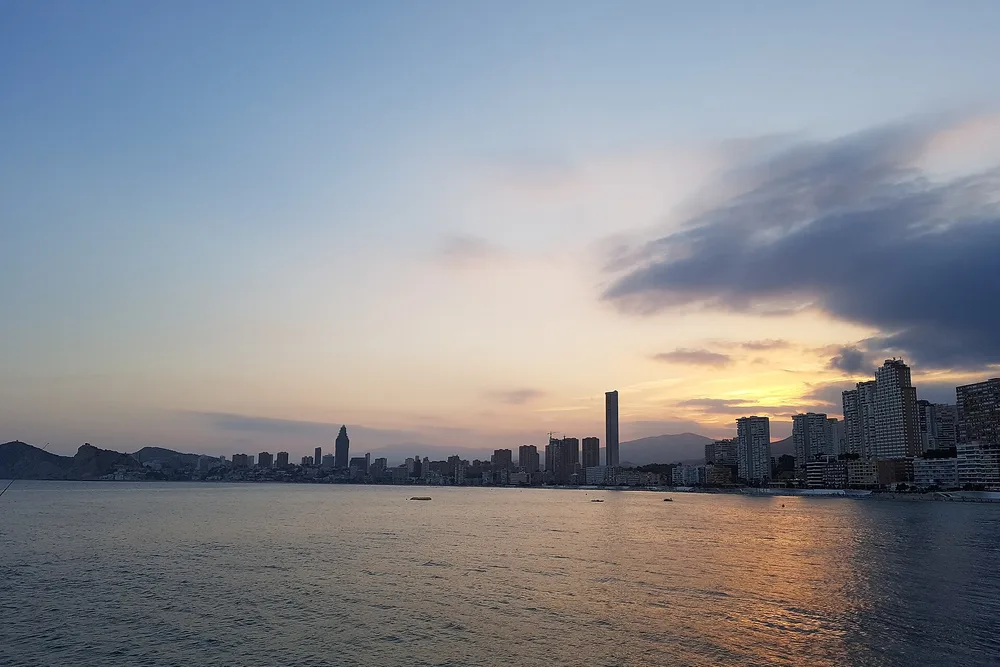
The coast’s best-known high-rise city, south along the same coastline: a large market of top-floor properties above the beach and promenade, hillside duplexes and a new-build segment — an urban contrast to Calpe’s beachfront areas.
Area guide
Explore Calpe with our guide
The Peñón de Ifach, the salt flats with their flamingos, the sandy beaches of Arenal-Bol and La Fossa, the old town above the bay and year-round town life: our Calpe guide explores the whole municipality and puts these penthouse locations in context.


Buyer’s Guide
The buying process step by step: offer, contract, taxes and due diligence.

Market Data
Asking prices, trends and screening bands per town — the full market picture across the thirteen towns.

FAQ
More answers about buying, taxes and ownership on the Costa Blanca.

Mortgage calculator
Estimate your monthly mortgage costs before you shortlist.
Contact Altea Casas
Looking for a property on the Costa Blanca? Tell us what you’re looking for, and our team will get back to you shortly.