Costa Blanca North · Calpe · Apartments
Apartments for Sale in Calpe
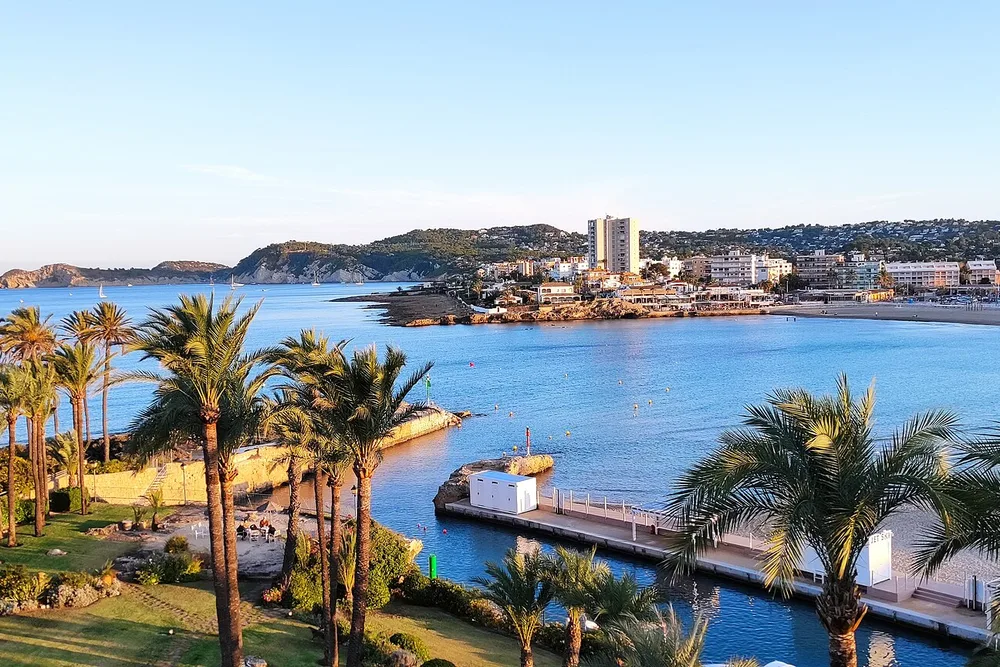
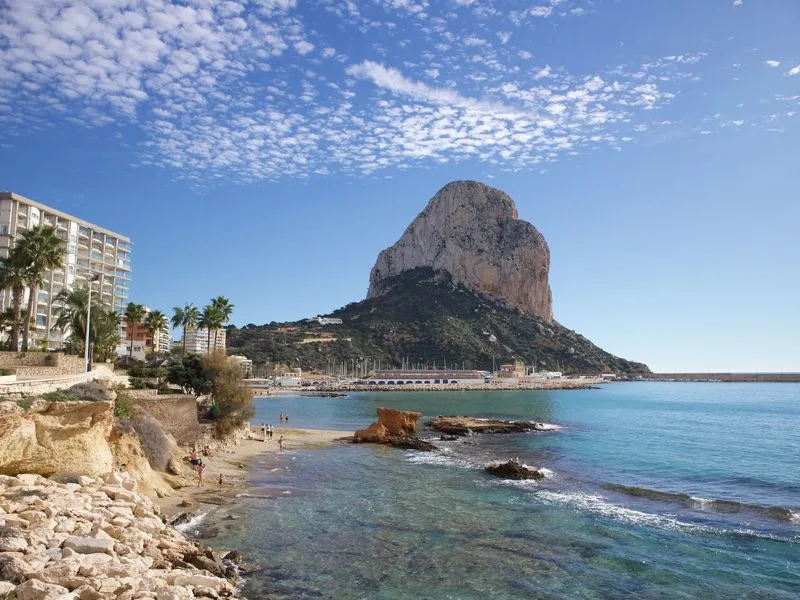
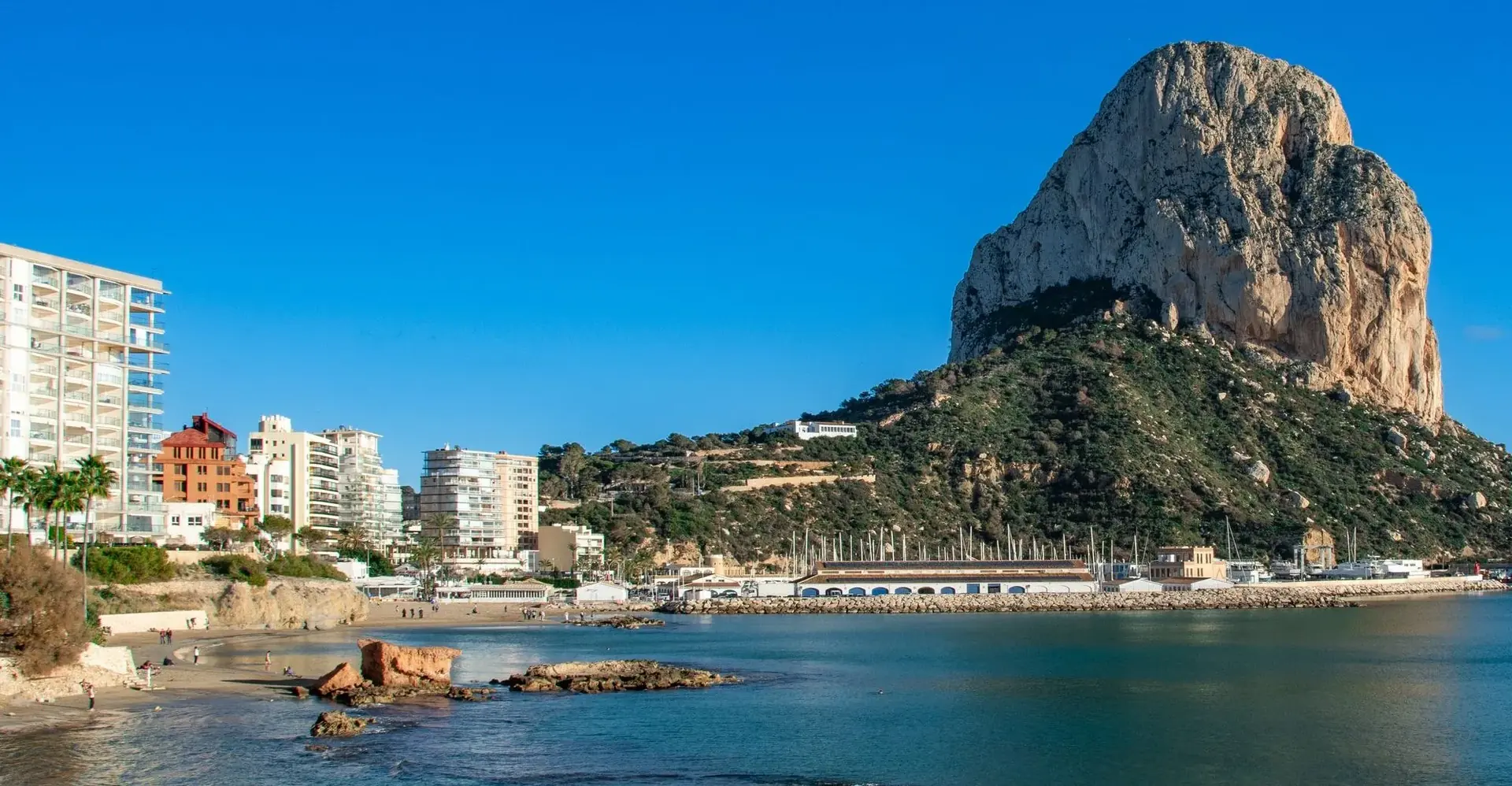
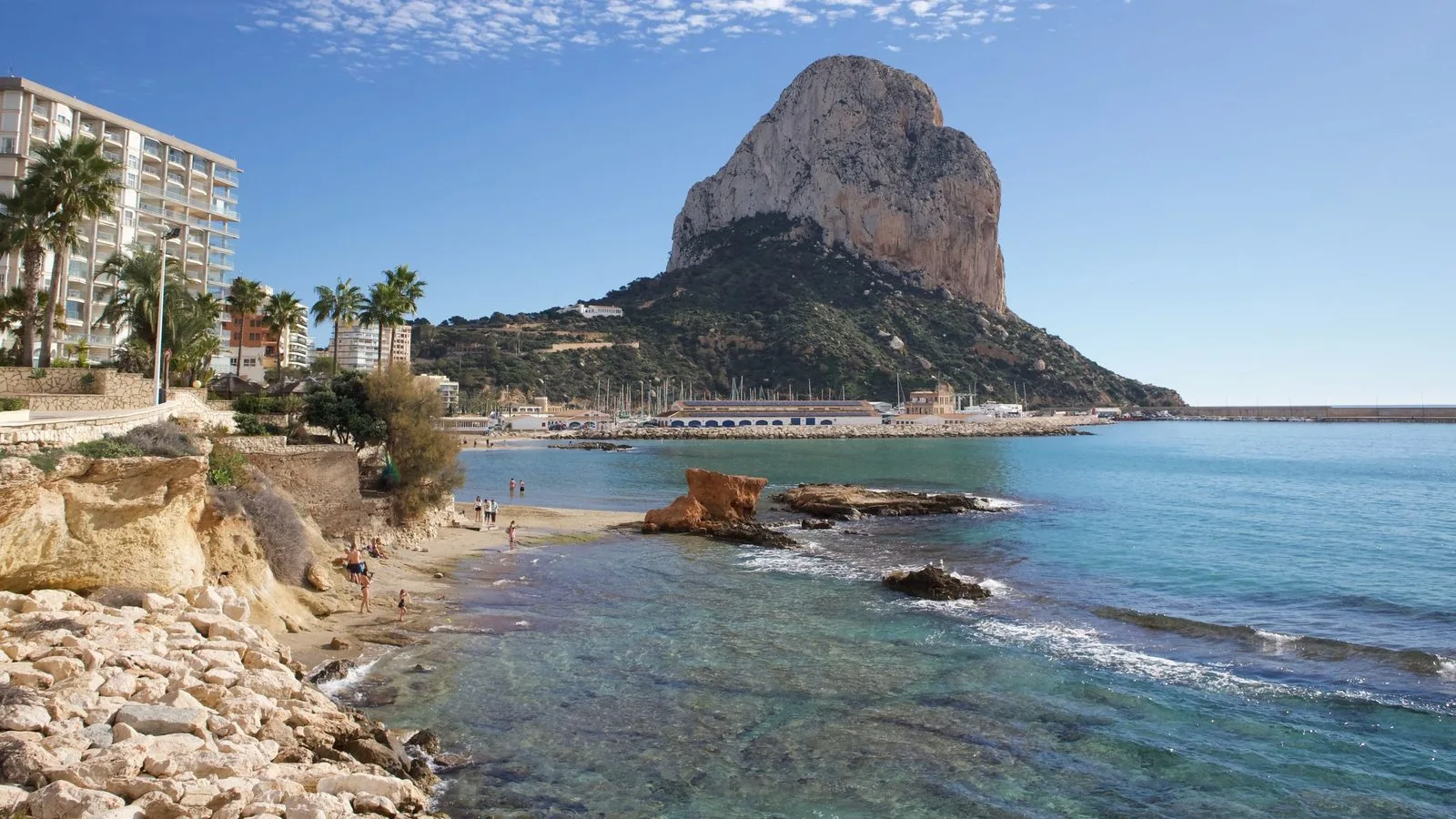
Four apartment markets in one bay — the Arenal-Bol beach corridor, La Fossa by the salt flats, the old town and the marina in Puerto, with the Peñón de Ifac as a landmark.
Prevalence
How prevalent are apartments in Calpe?
Apartments are a major part of Calpe’s property market, but their prevalence varies sharply by location. The areas around the two urban beaches (Arenal-Bol and La Fossa-Levante), the harbour area of Puerto and the old town centre are dominated by apartments, from promenade towers to resale flats in the centre. Manzanera-Tosal is more mixed: cliffs, coves and a smaller, more characterful housing stock. The hillside and outlying residential developments — Maryvilla, Canuta, Cometa-Carrió, Oltamar-Cucarres, Gargasindi, Ortenbach and Empedrola — are dominated by detached houses and account for little of the apartment supply. No official dataset breaks down the municipality’s apartment stock by district or building age — the picture below is a market assessment, not a statistical breakdown. What is documented is that the municipality’s 2016 EDUSI strategy described Calp’s overall building and housing stock as old and inefficient — a municipality-wide assessment rather than an apartment-only statistic, but an indication of the potential need for renovation. In practice, resale properties dominate the market, renovated resale is a substantial sub-segment, and new build is highly visible but geographically concentrated.

What a typical apartment in Calpe is like
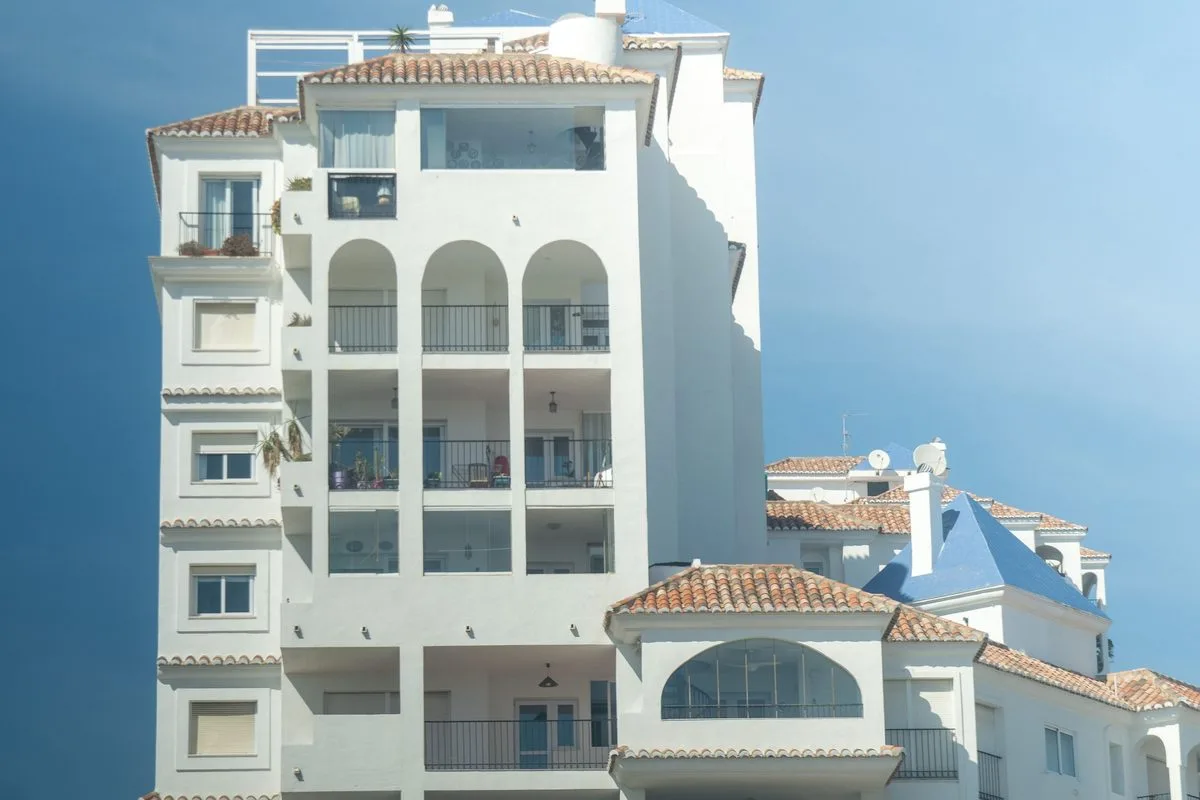
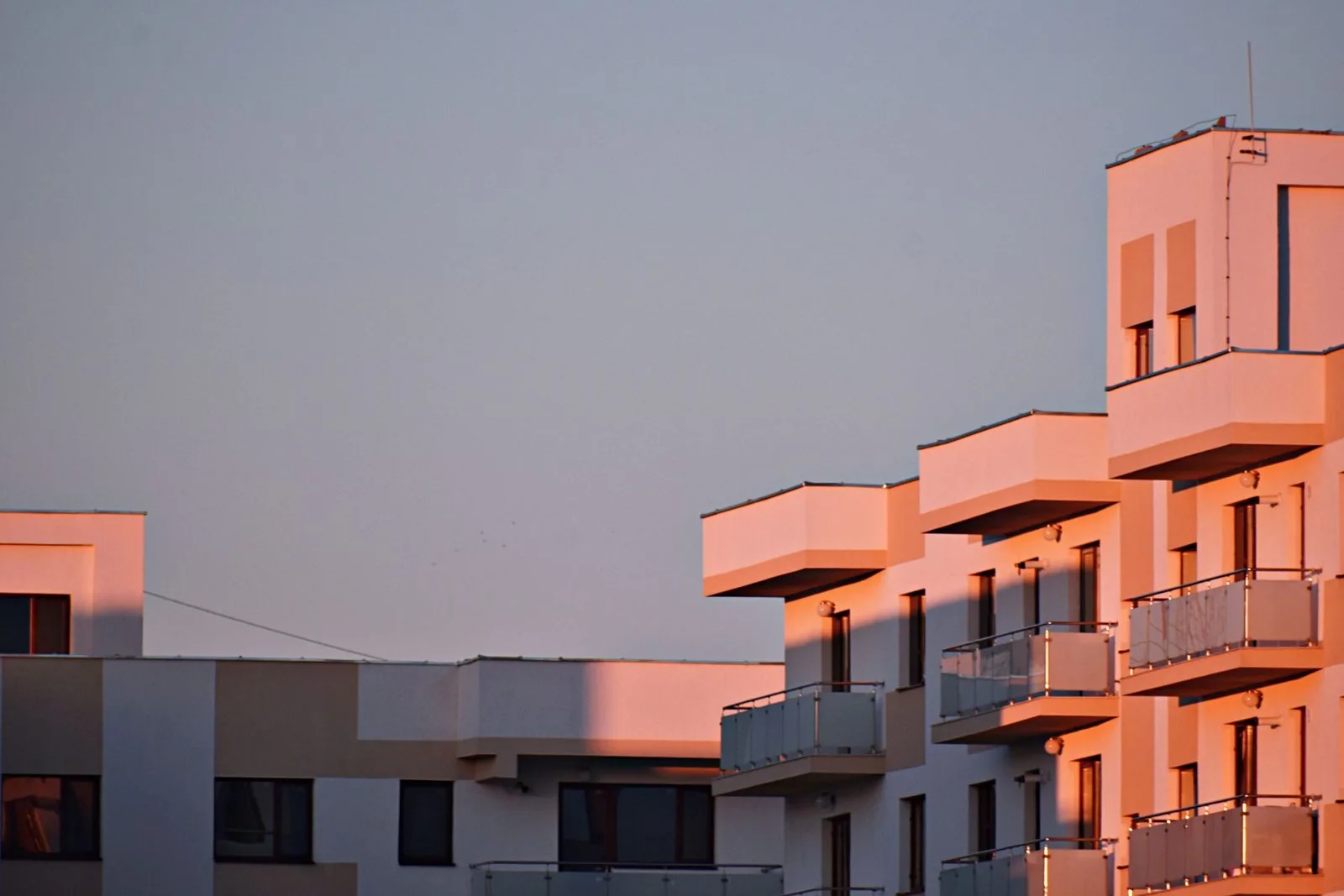
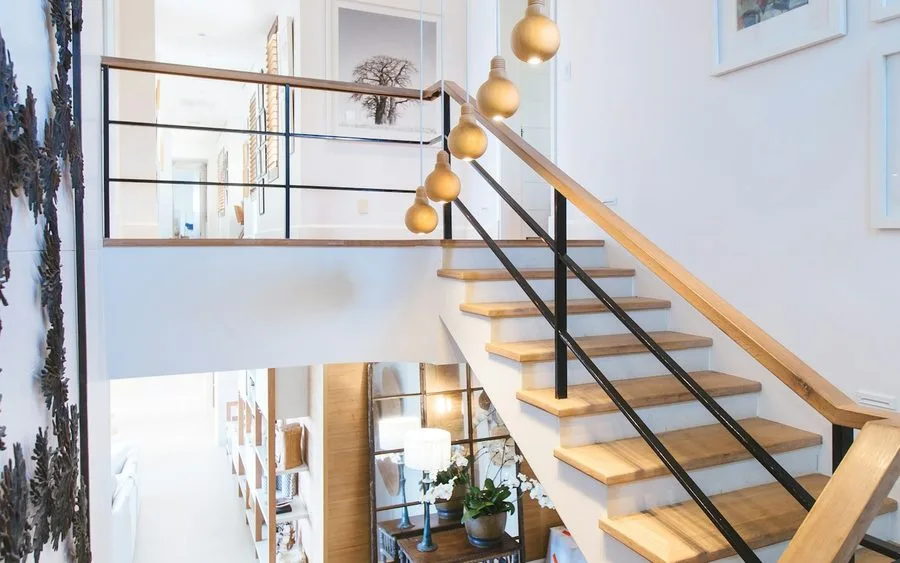
There is no single typical Calpe apartment, but the coastal market has several distinct segments. The largest is made up of established apartment blocks near the beaches and in the town centre: resale properties with balconies or terraces, lifts in many buildings, and a mix of year-round homes, second homes and tourist accommodation. Then comes the renovated segment: older stock modernised internally or reconfigured with larger terraces, open-plan kitchens and new windows — although a renovated interior is no guarantee of the condition or legal status of terraces, glazing or storage, the property’s occupancy status, or the state of communal areas. The modern segment consists of towers and apartment complexes around Arenal-Bol, La Fossa and the waterfront facing the town and port: large terraces, open views, pools, gyms or other shared amenities, energy efficiency, parking and turnkey homes. At the top is the penthouse and upper-floor segment — a premium market of its own, priced according to protected views of the sea, the Peñón de Ifac, Las Salinas or the bay, private roof terraces and the scarcity of unobstructed views.
Where apartments in Calpe are usually found
Arenal-Bol: promenade, towers & the clearest new-build concentrationFossa-Levante: 950 metres of urban beach by Las Salinas and the PeñónCalpe Pueblo: year-round shops within walking distance of the beachesPuerto & Cantal Roig: marina, fish auction and an area dominated by apartmentsCurrent supply
The current apartment supply in Calpe
Apartment supply in Calpe falls into three segments across its main districts. The largest is resale in the established apartment districts — from compact holiday apartments to larger beachfront or upper-floor homes. Then comes the renovated segment, especially around the beach and town centre, where an established location and an existing building come with a more modern interior. The most visible segment is new build: not evenly spread across the municipality, but concentrated around Arenal-Bol, La Fossa and the waterfront facing the town and port, where towers and high-density schemes compete for locations near the beach and the Las Salinas/Ifach corridor. Search building by building and district by district: the condition of the structure and exterior, and community fees, matter as much as the location on the map.
The broadest choice
The broadest and geographically most varied segment: resale across the established apartment districts of Arenal-Bol, Fossa-Levante, Calpe Pueblo, Puerto and Manzanera-Tosal. The range runs from compact holiday apartments to spacious beachfront or upper-floor homes, and from year-round central flats to complexes that are fully occupied only in summer. The depth of choice is Calpe’s advantage: buyers can compare a wide range of properties within the same market. The trade-off is age: the municipality-wide 2016 EDUSI assessment of old and inefficient housing highlights the need to assess each block’s structure and exterior, lift, roof and community budget.
A condition label, not a guarantee
A visible part of current supply is older stock modernised internally or reconfigured with larger terraces, open-plan kitchens, updated bathrooms and improved windows — especially around the beach and town centre, where buyers combine an established location with a more modern interior. But renovation quality varies, and “renovated” remains a description of condition: a new interior is no guarantee of the condition or legal status of terraces, glazing or storage, the property’s occupancy status, or the state of communal areas. The façade, roof, lift, pool and insulation are not necessarily upgraded along with the kitchen, nor does an interior renovation resolve problems with the community budget. In older beach and town blocks, these are crucial considerations.
Visible & concentrated
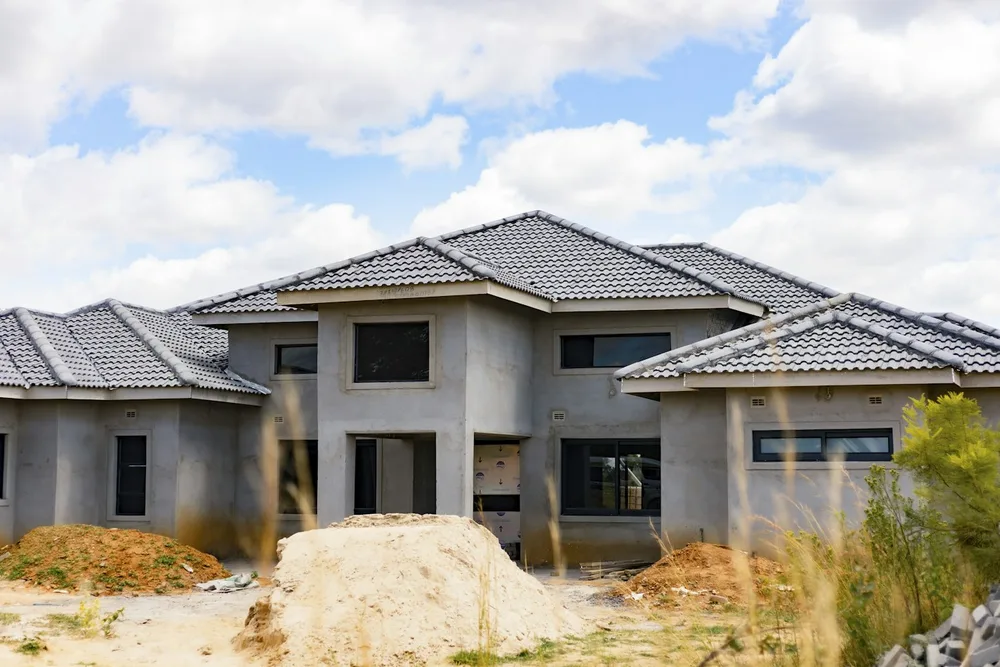
New build is not evenly spread across the municipality: supply is concentrated around Arenal-Bol, La Fossa and the waterfront facing the town and port, in high-rise and high-density schemes along the beach and the Las Salinas/Ifach corridor. Names such as Seaway Tower, Salinas Towers and Camporrosso feature in the local market; on La Fossa beach, Azure Icons — a beachfront project of apartments and duplex penthouses — adds to the turnkey offering. Some marketed developments are already completed and offered as new or nearly new resale properties; others are sold off-plan. In both cases, licences, completion and warranties must be checked for each project — rather than inferred from the marketing.
- 1The interior is not the building
A new kitchen and new bathrooms answer none of the questions about the façade, roof, lift, waterproofing, pool, plumbing risers, insulation or a pending special levy — and in Calpe’s older beach and town blocks, these issues can separate a good purchase from an expensive one. Ask what was renewed inside the apartment and in the communal areas, under which permits, and whether invoices and reports are available.
- 2Terrace & glazing
Enclosed terraces, glazed balconies, roof terraces and converted storerooms are often presented as living space in marketing materials — but are not always recorded as such in the title deed, the Land Registry and the Cadastre. Treat every element as a separate legal question: whether it is private or communal, whether it is authorised, and whether the current layout is reflected in the registered description. A terrace that is not recorded in the title deed may carry legal risks.
- 3Floor area: actual vs registered
The actual floor area of older apartments often differs from the registered area: compare the nota simple, the sales contract, the cadastral record, approved plans and an independent measured survey before making an offer — paying particular attention to mezzanines, storage rooms, converted parking areas and basement spaces. The age of much of the resale stock and subsequent alterations can explain these discrepancies.
- 4Community documents
Read the documents establishing the community of owners and its statutes, not only the latest community certificate, and request the minutes of recent meetings, budgets, accounts, reserve-fund balance, insurance claims and any planned or approved special levies. For lift, façade, roof, pool, garage ventilation and energy-efficiency projects, check who pays, what amount has been approved and whether litigation is pending. Ask for a certificate confirming any outstanding community fees — the property can be liable for these debts within statutory limits.
- 5Occupation documents
For older resale properties, request the first-occupation licence or the applicable second-occupation or habitability documentation, the works completion documents and any record of planning enforcement. Long-term occupation does not prove that every alteration is lawful — and for new build or off-plan purchases, licences, completion documents and warranties should be checked from the outset, not left until the notary appointment.
Concentration
Where is the apartment supply in Calpe concentrated?
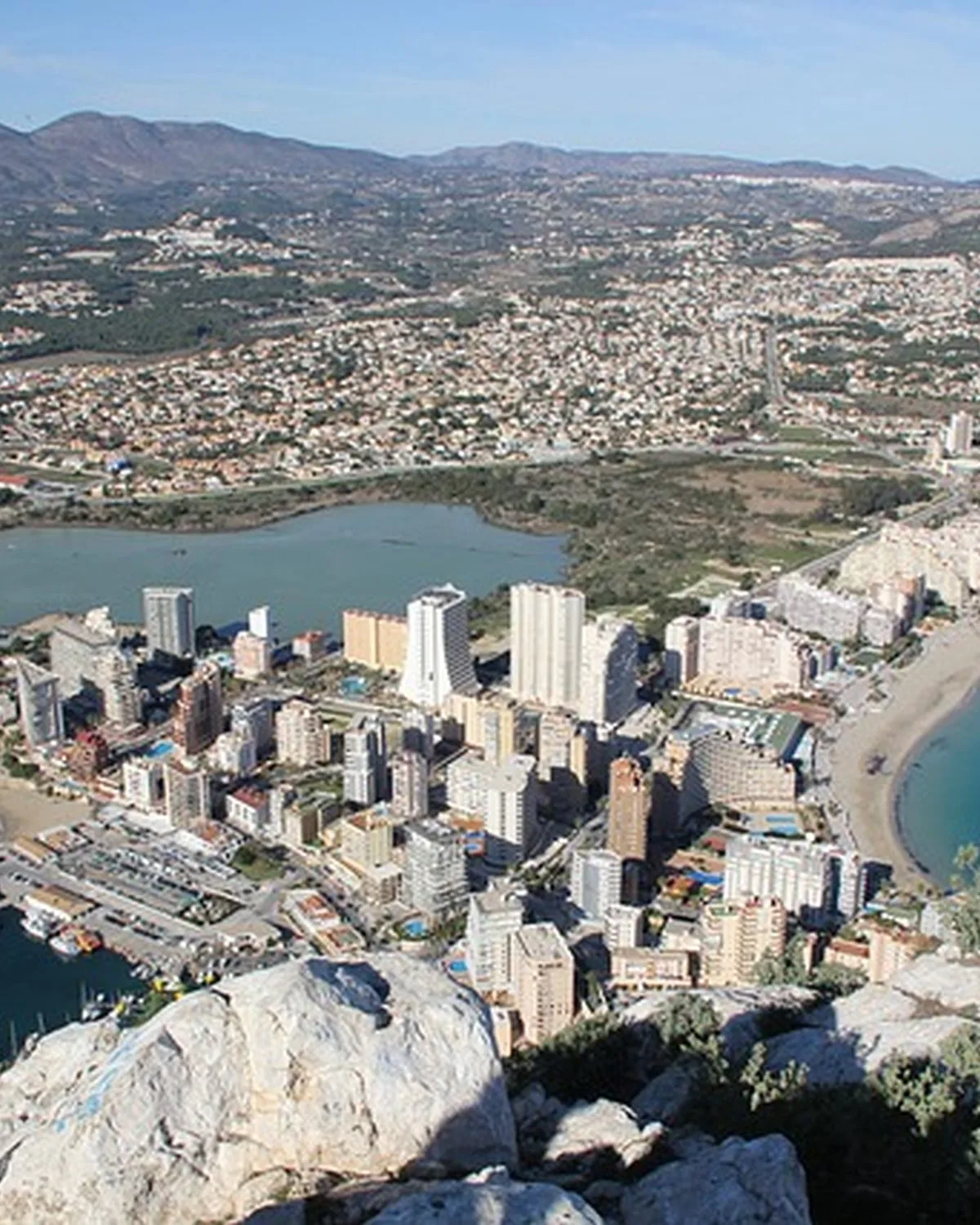
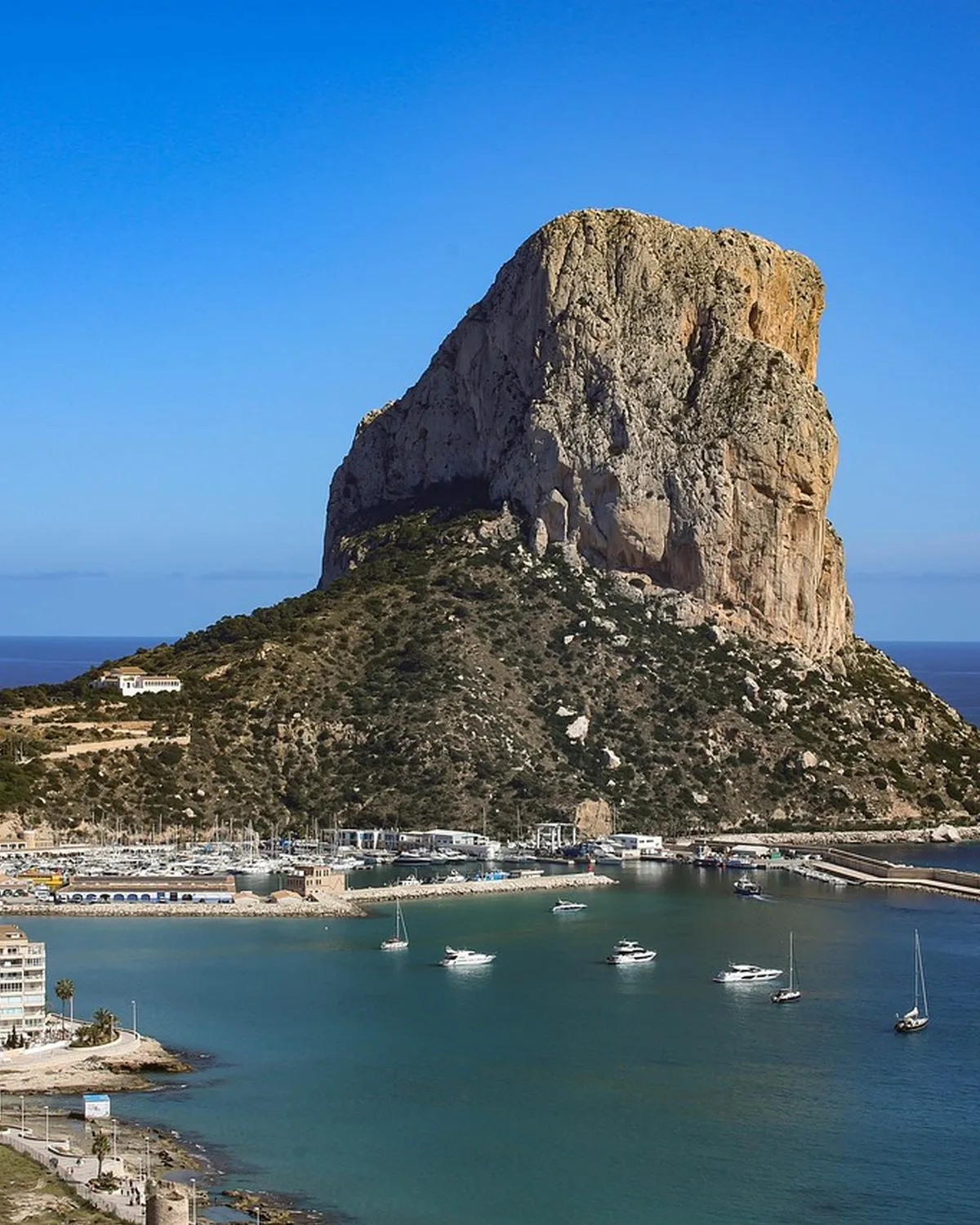
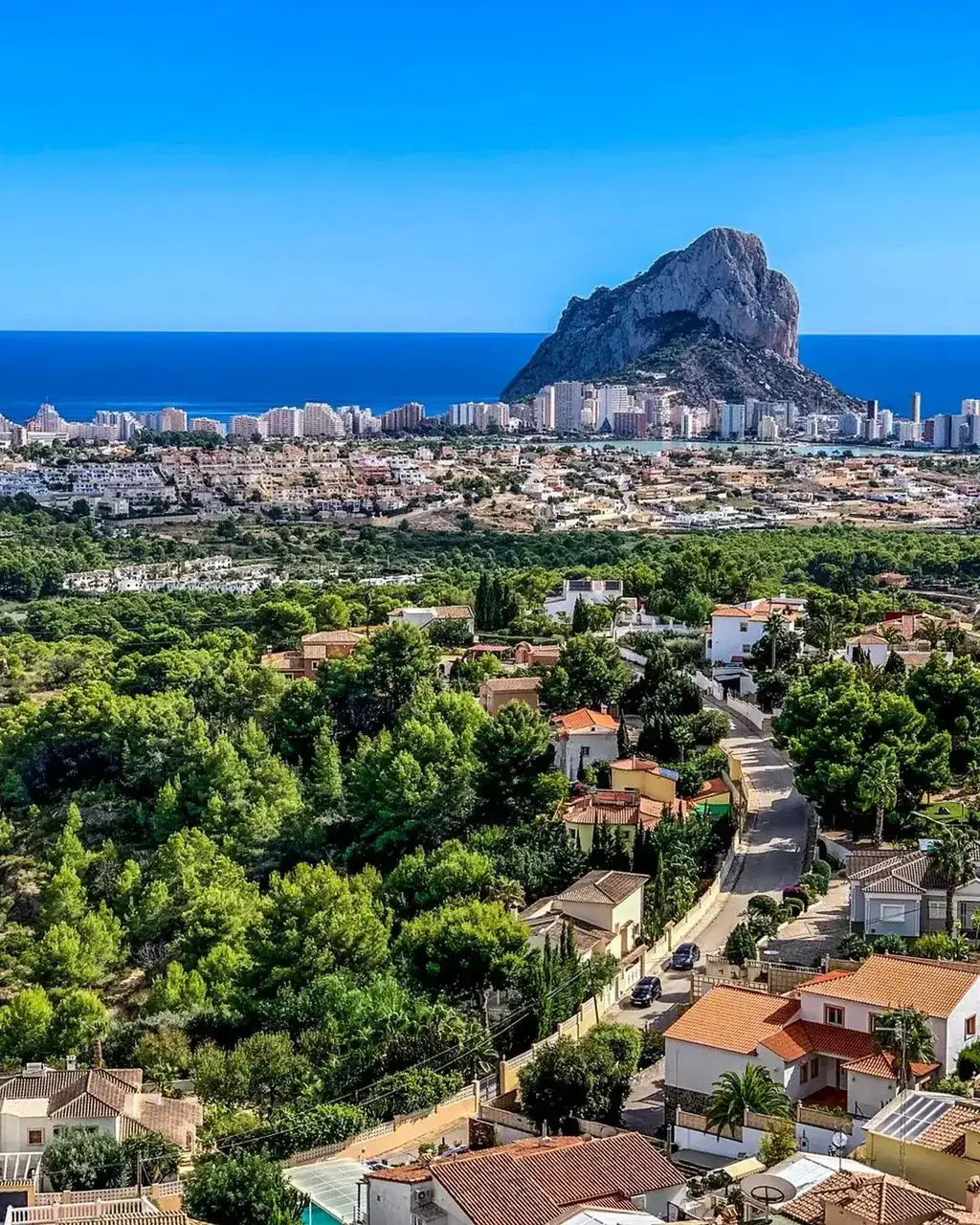
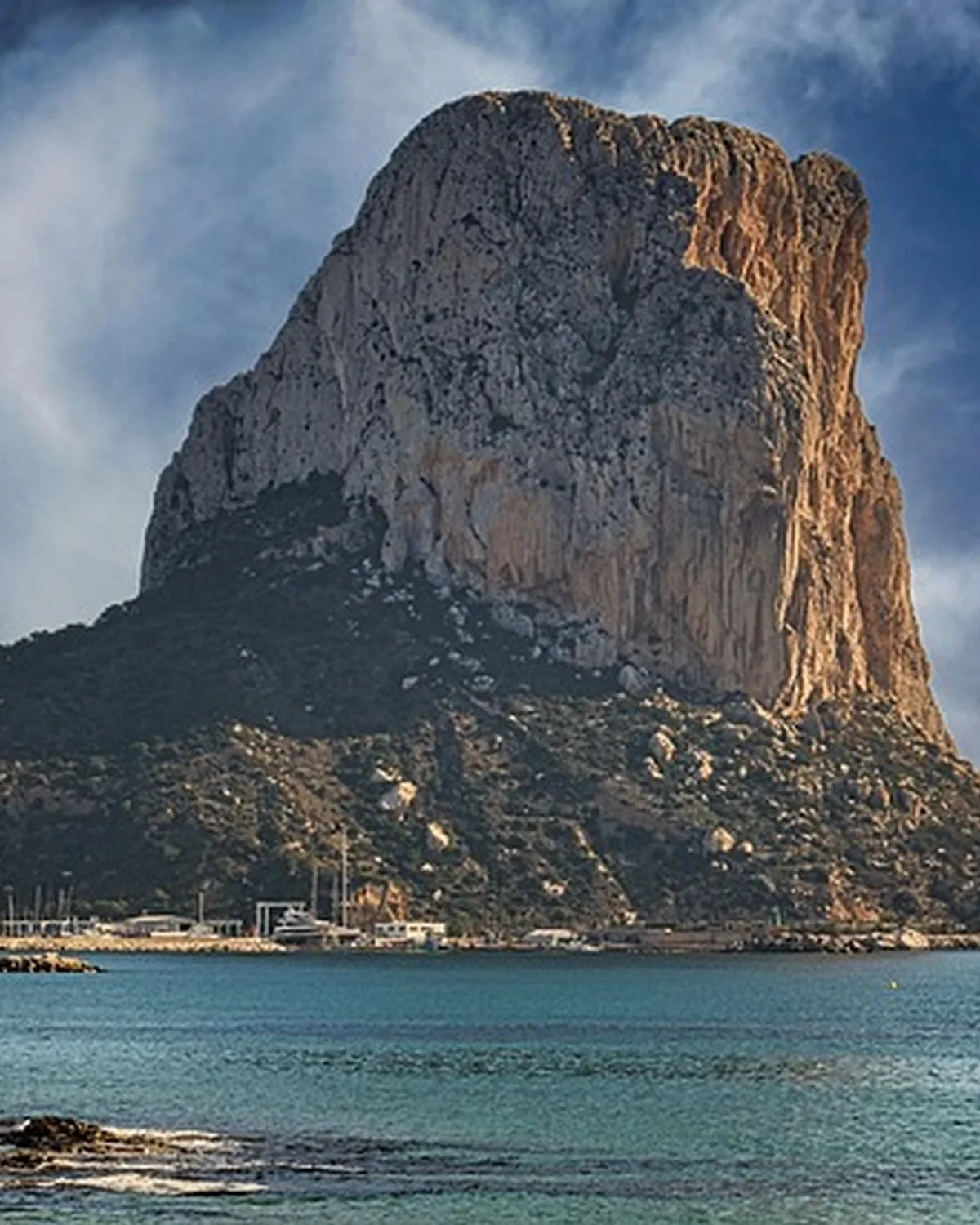
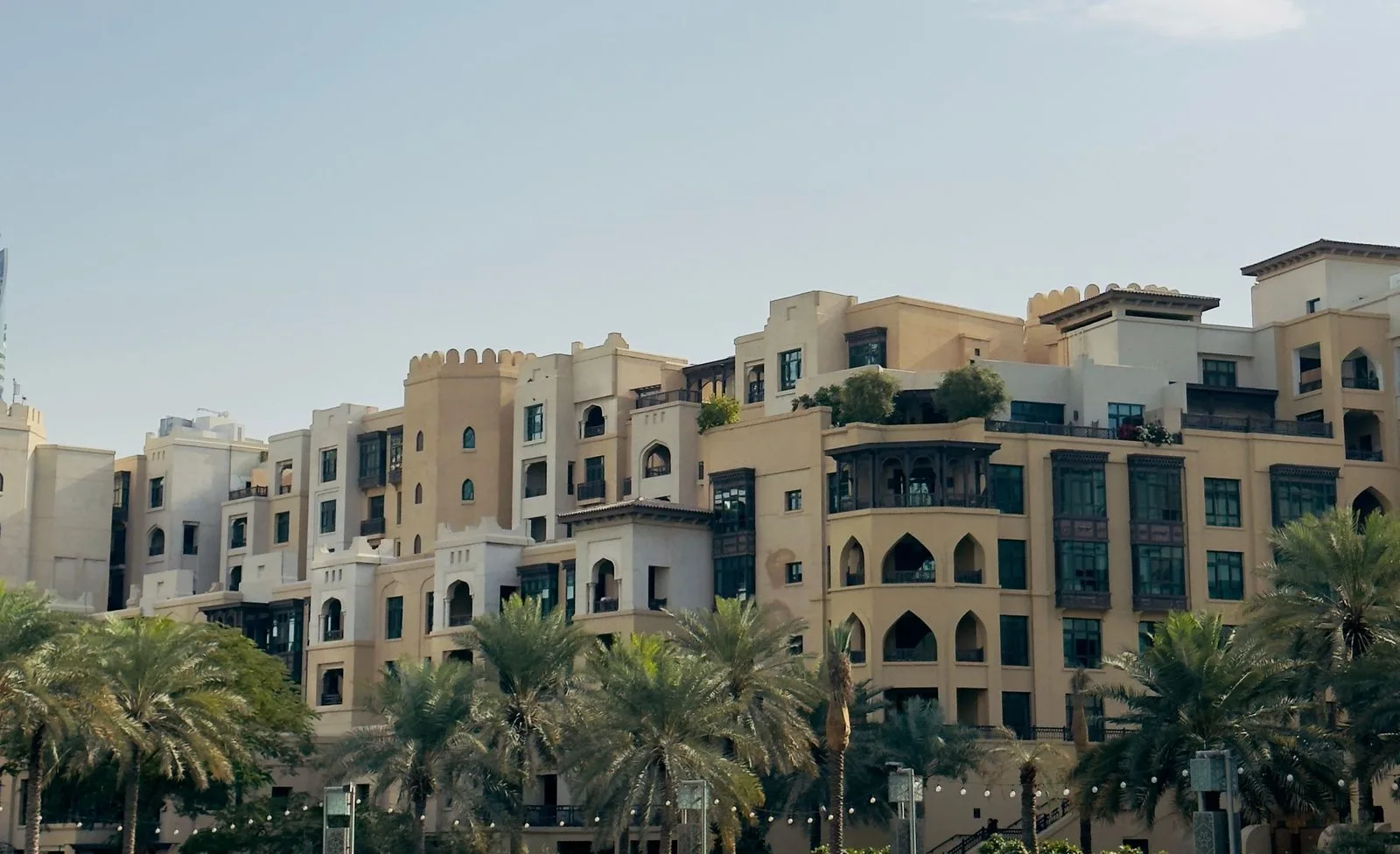
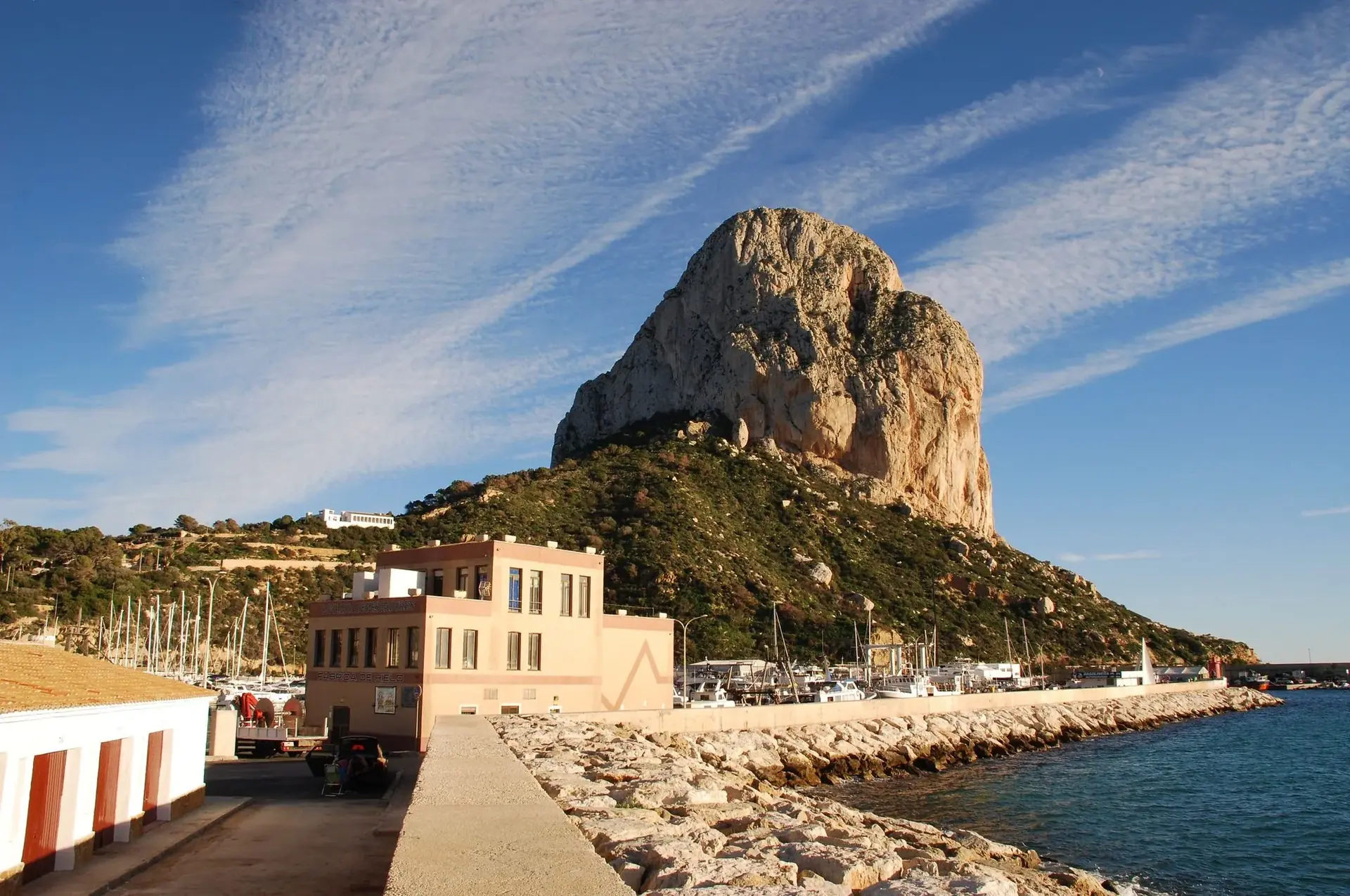
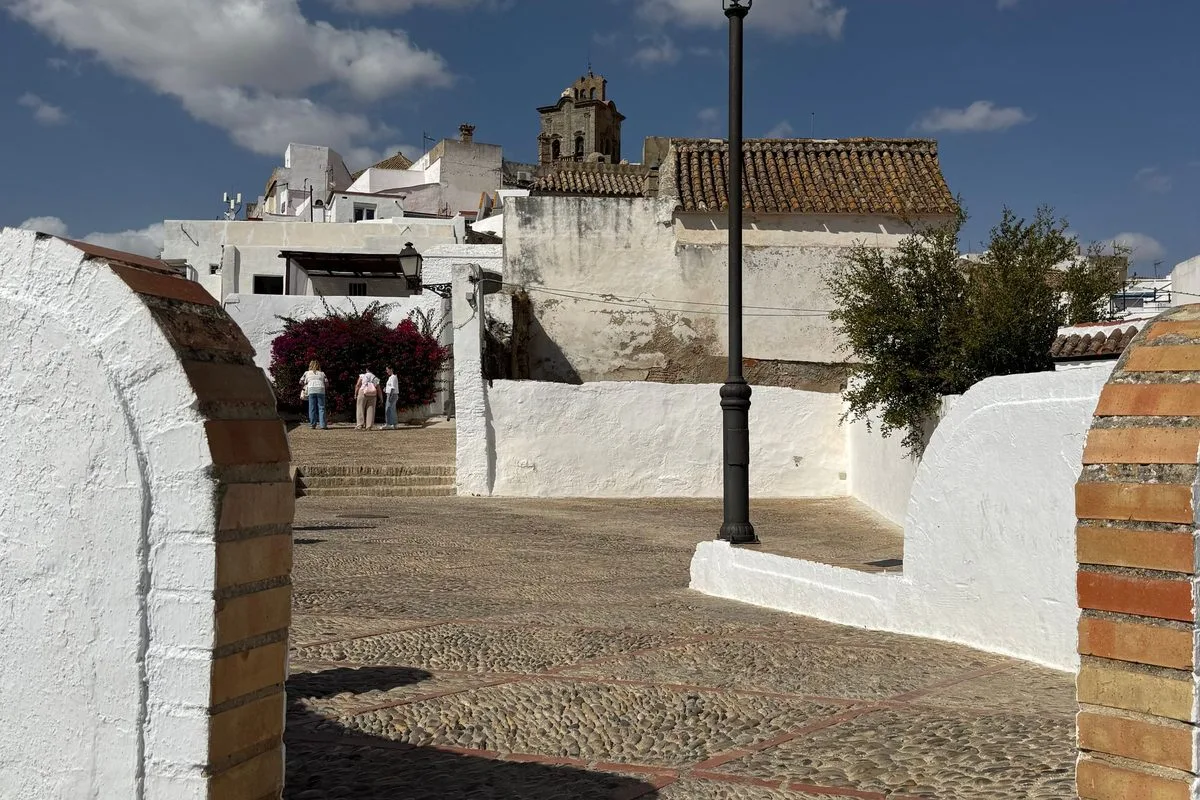
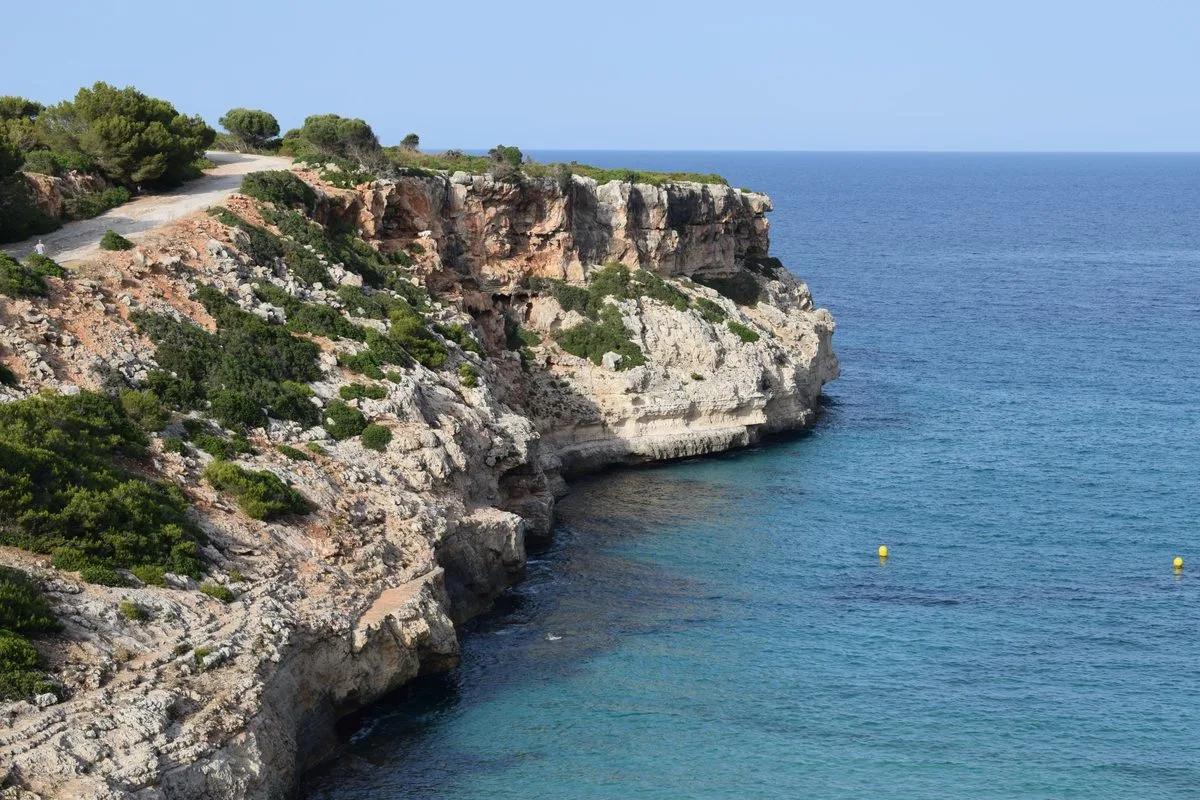
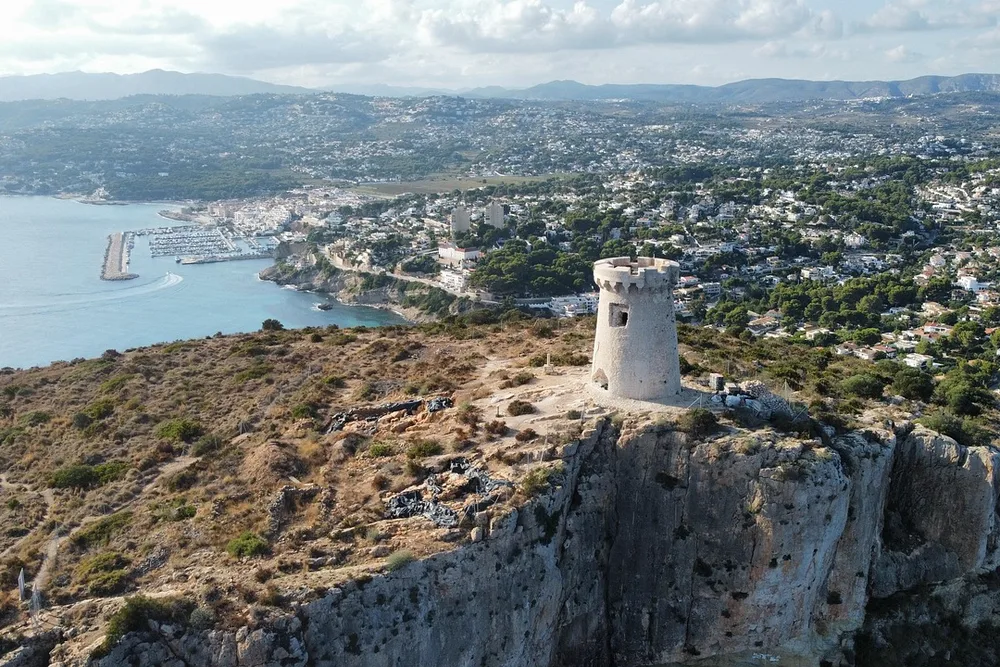
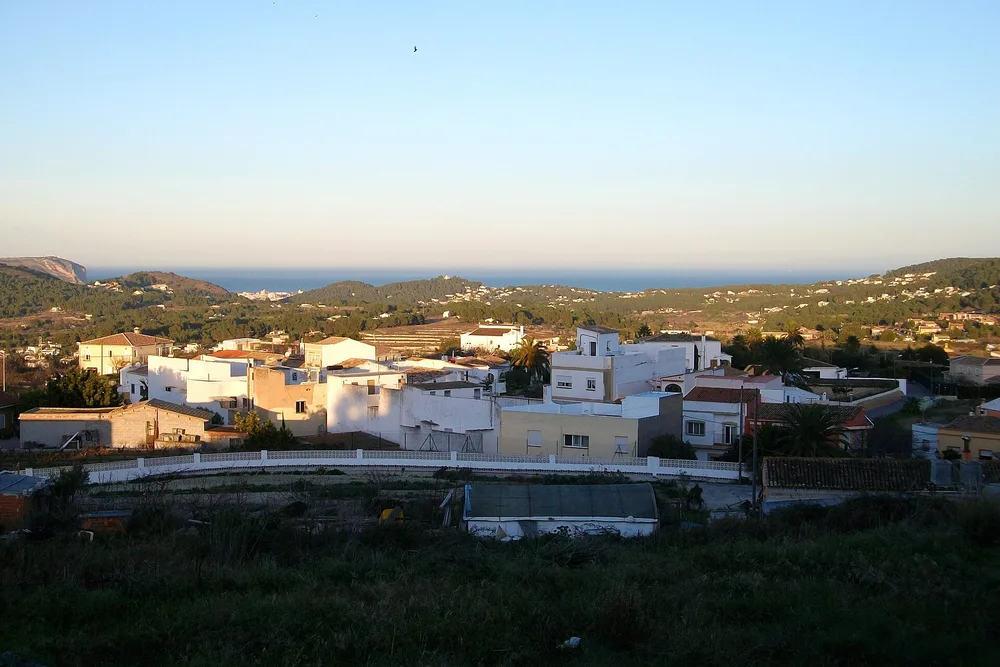
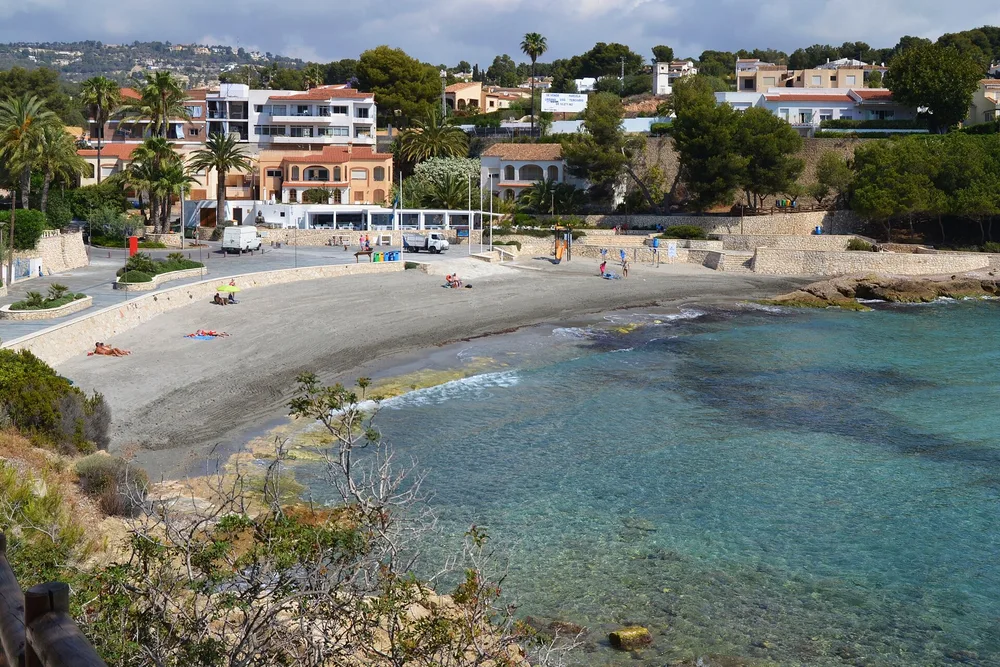
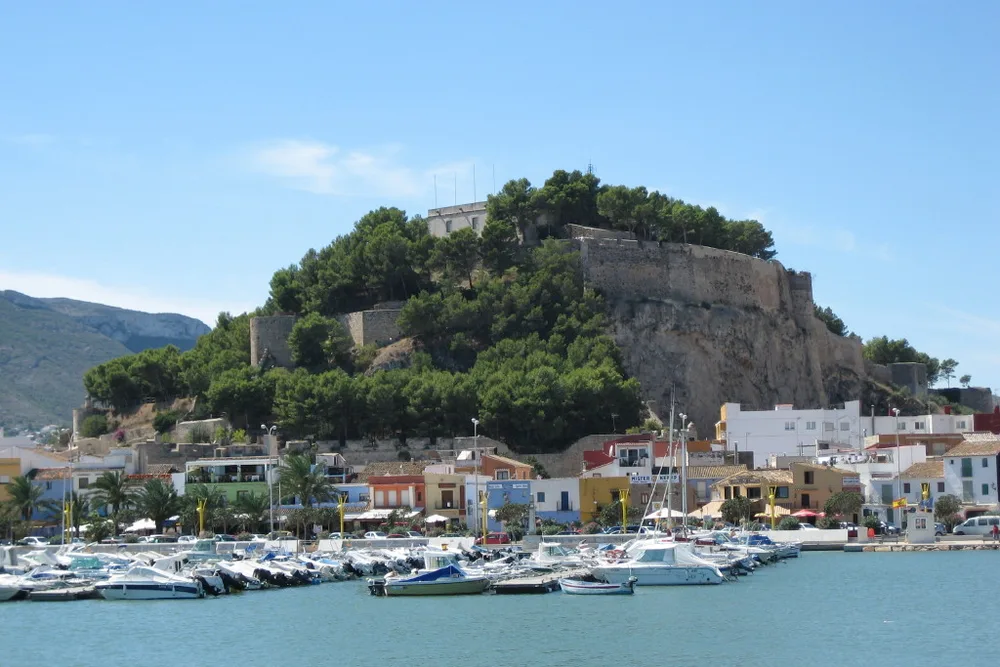
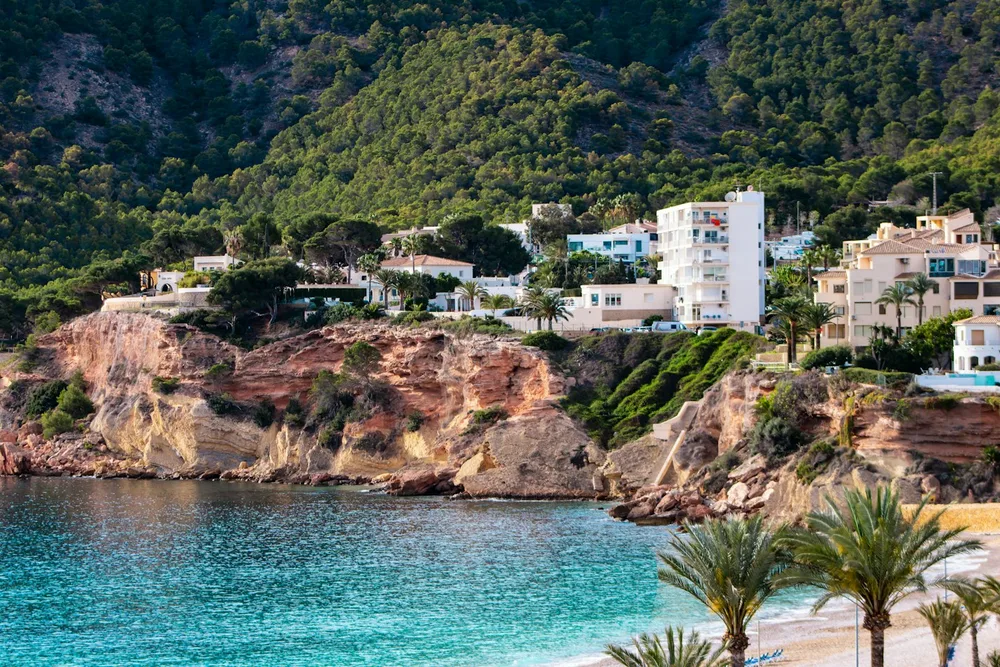
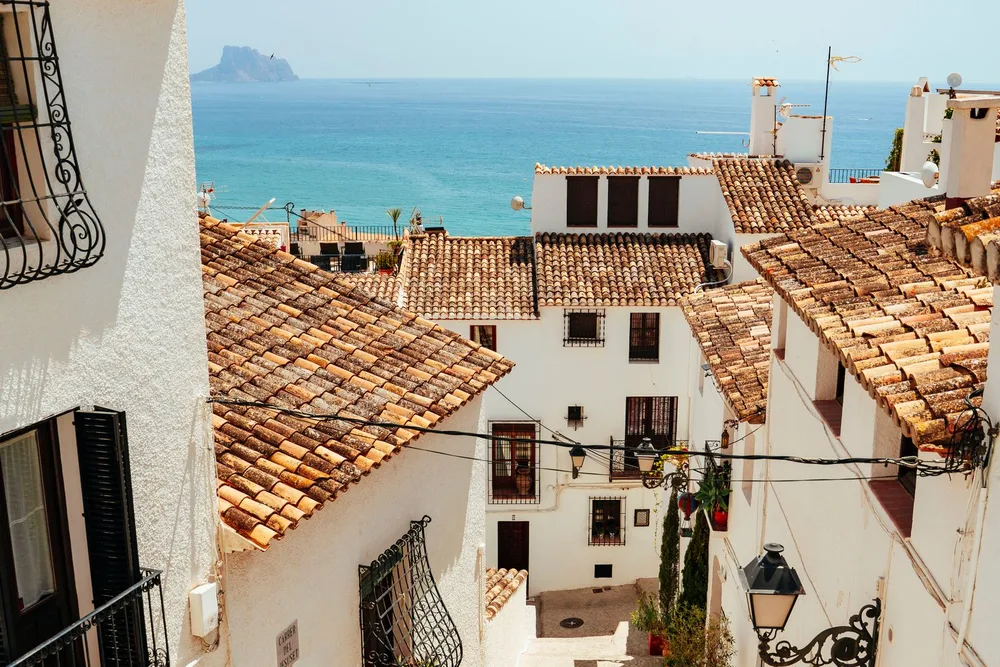
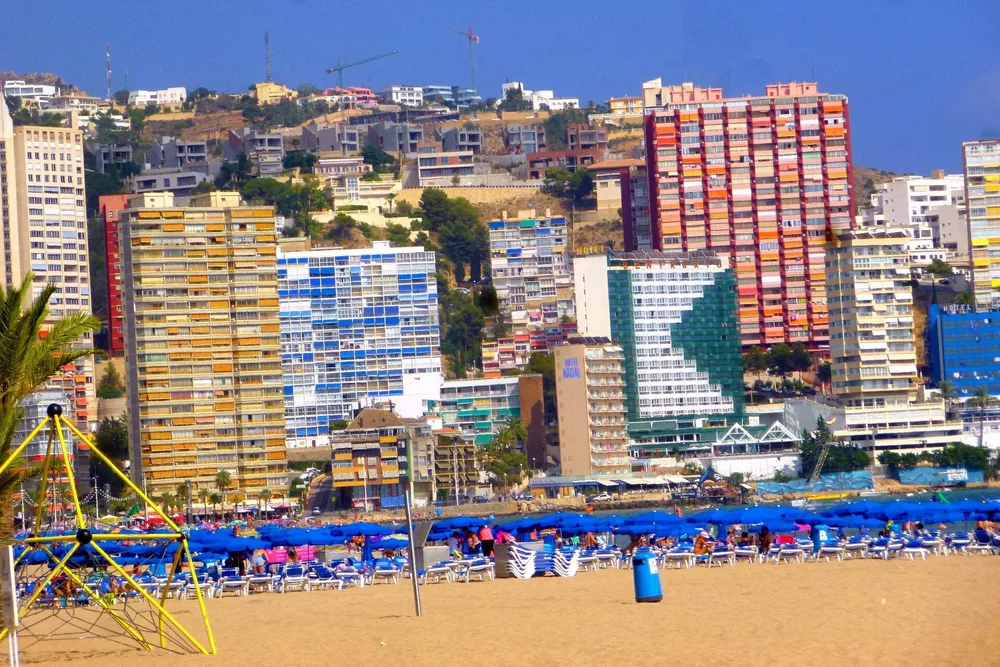
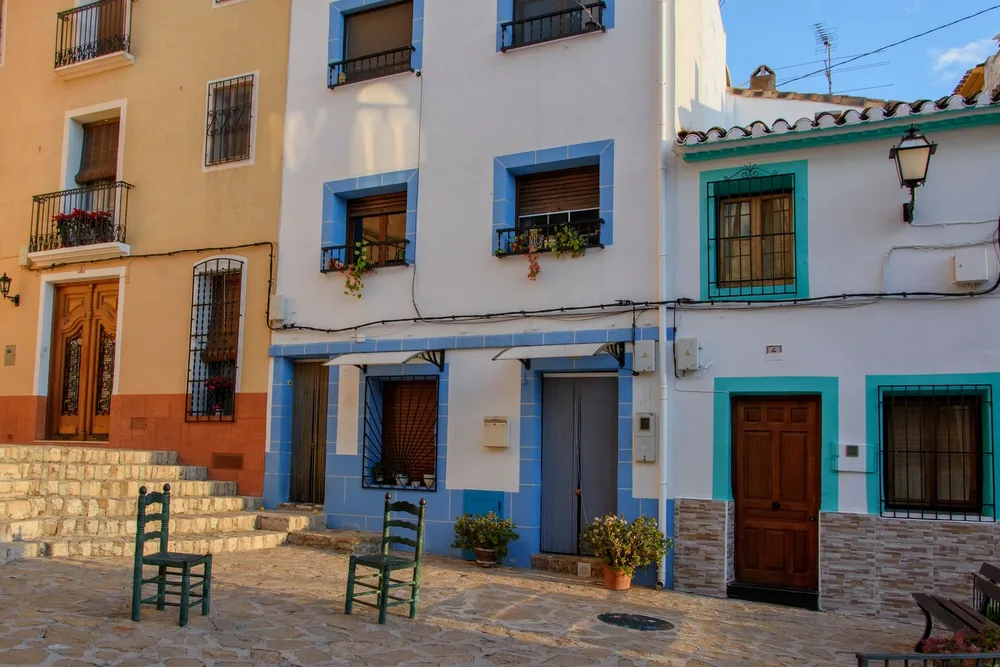
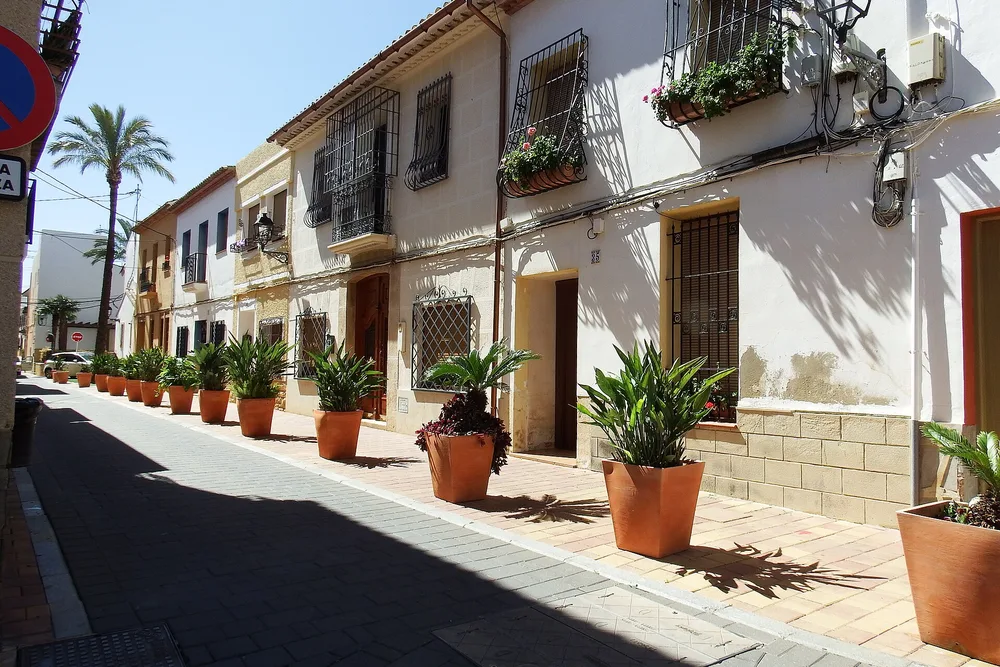
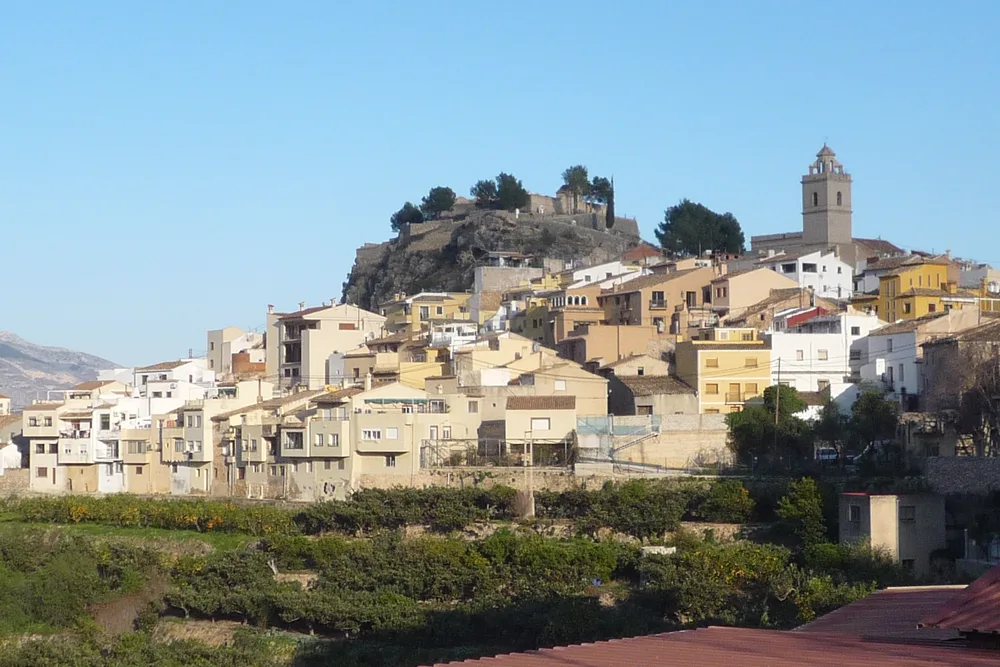
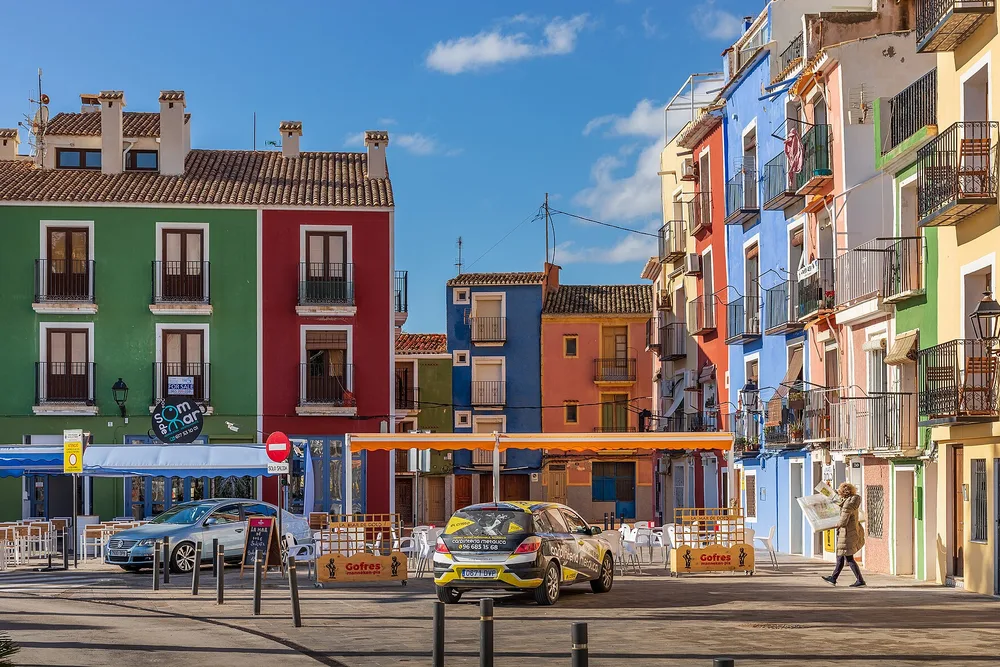
Calpe’s apartment market is concentrated around the bay. Arenal-Bol forms the densest corridor: a broad sandy beach, the promenade and the towers behind it. Fossa-Levante lies on the other side of the Peñón, by Las Salinas, with views of the rock. Calpe Pueblo provides the year-round housing stock of the centre, and apartments make up almost all current listings in the harbour area of Puerto and Cantal Roig. Manzanera-Tosal — cliffs, coves and character — is outside the map frame and is listed in the index below. Each area has its own photo below — select a location in the list and the photo follows.


Arenal-Bol
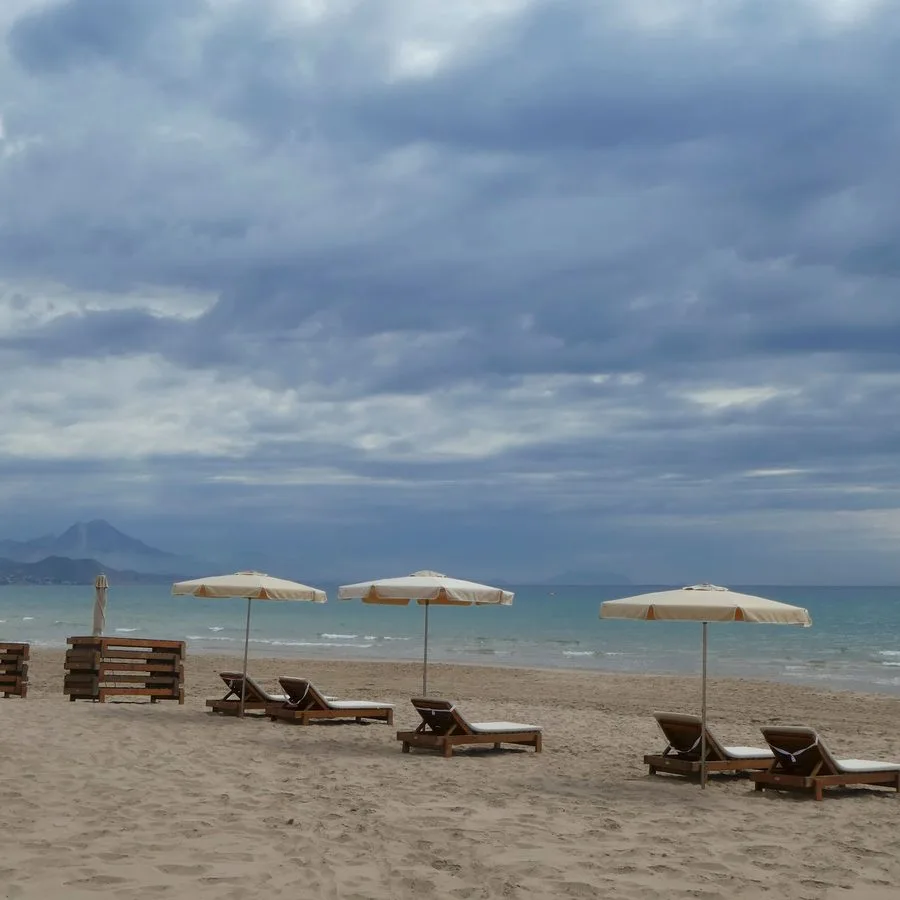
The municipality’s most recognisable urban apartment setting: a 1,200-metre urban beach with a promenade, restaurants, cafés and shops, and a dense concentration of towers and complexes behind it. Beach access, restaurants and walkability come together here — and this is also the clearest concentration of current new-build schemes. The Peñón de Ifac separates the two main beach areas: this is the Arenal-Bol side, rather than La Fossa by the salt flats.
From compact holiday apartments to spacious beachfront and upper-floor homes: resale properties of different ages sit alongside new-build and nearly new towers with pools, gyms or other shared amenities. Prices vary according to floor level, terrace, view, building age and the condition of the structure and exterior — more than the distance to the sand, which is short throughout this area.
The promenade follows a seasonal rhythm: holiday noise, parking pressure and short stays shape the summer. Walk the street you are considering in August and in January, and check the building-specific issues — glazing’s resistance to salt and storms, community fees for the pool and communal areas, and whether the terrace shown in the brochure is authorised and correctly registered. Check the advertised view in person.
Fossa-Levante
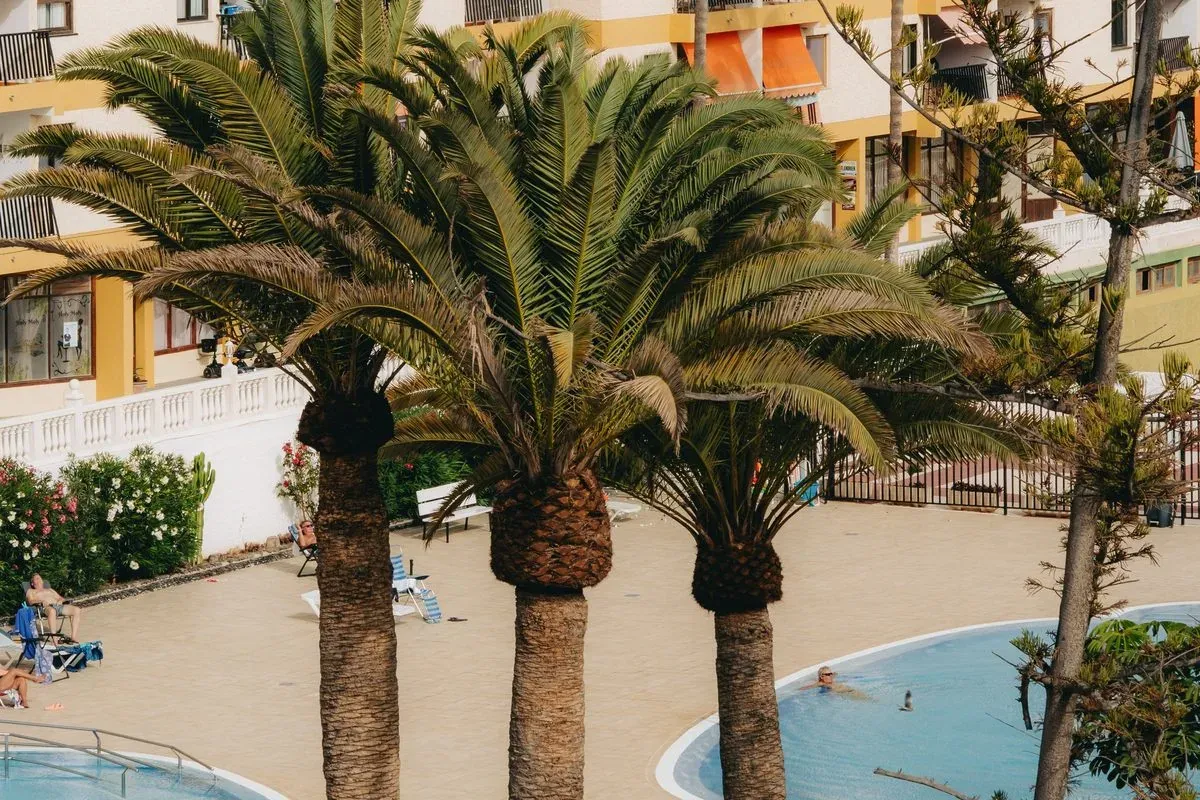
The beach and resort area of the bay: an urban beach by the salt flats of Las Salinas, with a promenade, restaurants and views of the Peñón de Ifac. Apartments make up a high share of the stock, with a substantial new-build pipeline and a more seasonal pattern of use in some complexes. The salt-flat landscape gives the area a distinctive character beyond the beach.
Beach flats of different ages, nearly new developments and complexes with a pronounced resort character: pool areas, gardens and seasonal services. Prices depend heavily on the view — open sea, salt flats or the Peñón — followed by condition, terrace and how the complex is managed.
The setting by the salt flats calls for specific checks: what the apartment actually overlooks (a partial view is not a panorama), drainage and damp on lower floors, how orientation affects sun and wind exposure, and how the complex operates out of season — not every resort building maintains the same services and management throughout the winter.
Calpe Pueblo
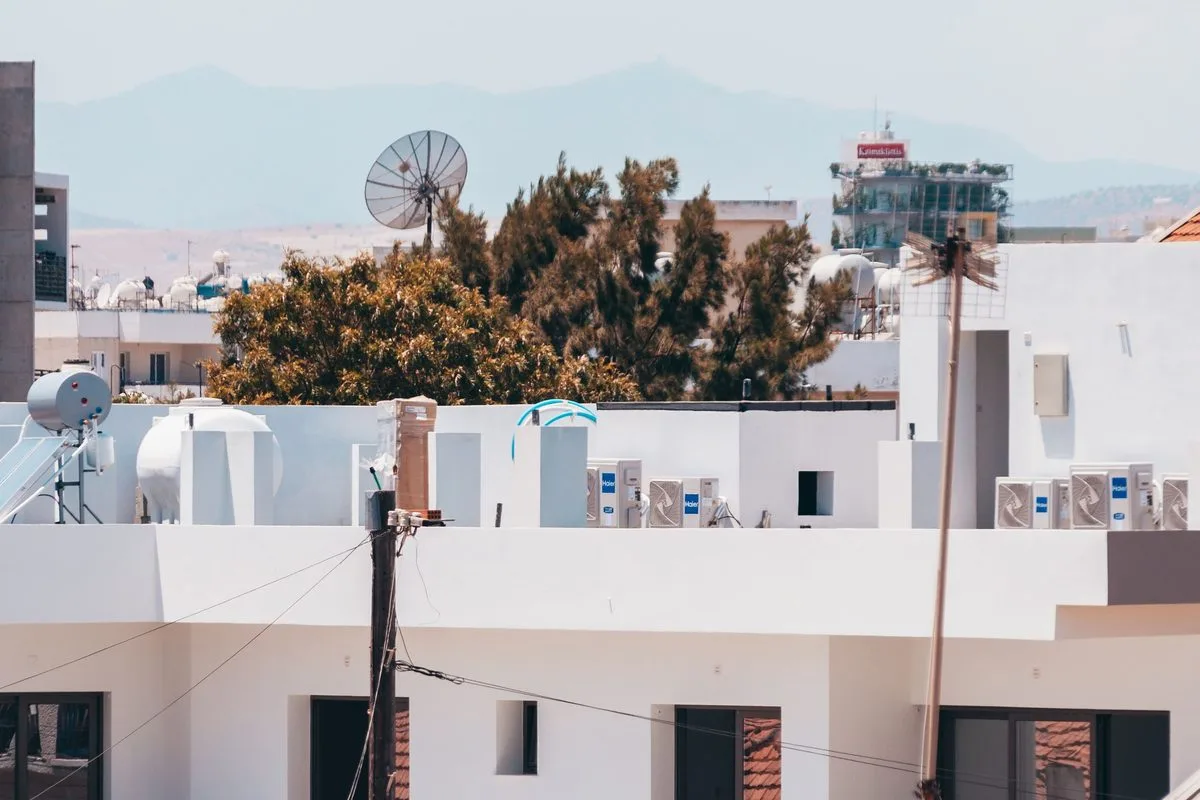
The strongest apartment location for buyers who want a town base with beach access and year-round services: the historic centre around the Torreó de la Peça, with shops, markets and public services within walking distance. Apartments dominate the housing stock, but prices are usually below those of prime beachfront properties — the old town offers everyday practicality rather than a prime seafront address.

Central resale properties, renovated penthouses and flats within walking distance of Arenal-Bol, with shops and public services around the corner. Prices vary by building, floor and condition — the stock is older and more varied than on the promenade, and every purchase depends on the specific block.
Old-town life brings character, along with narrow streets, parking constraints and the noise of a centre that is active all year. Given the age of the stock, check the structure and exterior, electrics, plumbing, damp and community fees — particularly in smaller buildings without the scale of a resort complex.
Puerto & Cantal Roig
A smaller, more upmarket apartment area around the marina, the fishing port and the daily fish auction, with sea views and access to Cantal Roig and the nearby coves. Apartments make up almost all current listings here — the harbour location is the main attraction, and bay views are a major factor in the price.
Flats near the harbour and sea, from compact to spacious, with the quality of the view as the main differentiator. Supply is more limited than along the beach corridors: compare buildings individually, assessing each apartment’s view, noise levels and community arrangements.
Check the exact location where you would live: noise from the harbour and fish auction, parking pressure, salt exposure on façades and terraces, and the difference between a full harbour or sea view and a partial or angled one. The area commands a premium for its location — assess it through a technical inspection and a visit on an ordinary day, as well as in summer.
Manzanera-Tosal
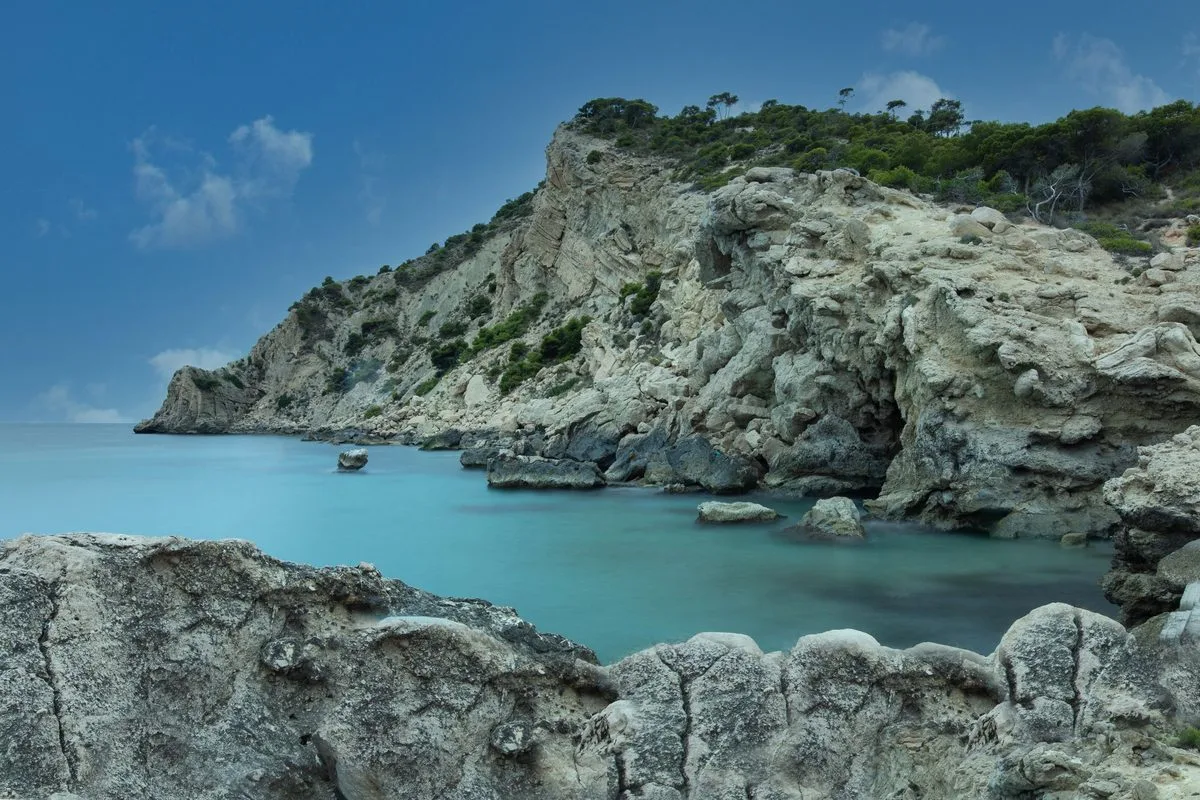
Outside the map frame is a smaller, more characterful apartment market around the cliffs, coves and landscape of La Manzanera, with striking modern architecture. This area differs considerably from Arenal or Fossa: the terrain is an important factor in every purchase.
A limited, distinctive housing stock: apartments on or above the cliffs, often with access shaped by the terrain and views that differ sharply from building to building. Limited supply makes comparisons difficult: averages say little here, and every purchase requires an assessment of the individual building and its access.
Access, slopes, parking, privacy, coastal exposure and communal maintenance can matter more here than floor area. Walk the route from the parking space to the front door, check the building’s exposure to salt and wind, and review the community budget of any clifftop complex — it should help you assess the maintenance costs you may take on.
Market data
Calpe Property Market Data
Price variation
How apartment prices vary in Calpe
A municipal average tells you little about an individual apartment in Calpe: its price is shaped by a combination of walkability, view protection, beach or harbour location, floor level, terrace quality, building age, shared amenities, parking and legal rental status. The broad pattern is clear: the old town offers a practical entry point below prime beachfront prices, resale flats in beach towers form the broad middle, and beachfront homes, nearly new properties and penthouses occupy the upper end, priced according to views, specification and scarcity. The asking price is a starting point for negotiation: compare like with like, and base an offer on a valuation or completed sales rather than a property portal average.

Explore a price band
01/ 04
±€180,000–300,000
±€300,000–450,000
±€450,000–650,000
€650,000 and up
What drives the price per square metre in Calpe
Two apartments with the same asking price per m² can be very different properties. Seven factors determine where an apartment sits within its district’s price range — and the district itself sets the starting point: the old town at the lower end, resale flats in beach towers above it, and beachfront homes, nearly new properties and penthouses at the top.

Budget levels
Which apartment does each budget buy in Calpe?
The bands below are a guide, not a price list: they reflect the segments buyers choose between in terms of size, condition and location. The market starts with old-town flats and compact resale properties, the middle range consists of beach flats with a terrace and pool, and above it come beachfront homes, nearly new properties and penthouses.
Old-town flats & compact resale properties
The market starts with old-town flats and compact resale properties: flats in and around the historic centre, small apartments in older blocks near the beaches, and holiday apartments that may not suit year-round use. At this level, you are buying location and size rather than finish: allow for renovation, compare the title deed, Land Registry and cadastral records with an independent measured survey to confirm the floor area, and review the building’s community documents before treating the asking price as the total cost.
Beach flat with terrace & pool
The heart of the bay’s market: flats in the established towers and complexes of Arenal-Bol and La Fossa, with a usable terrace, a communal pool and easy everyday beach access. The choice of district matters here too: the same mid-range budget may buy a renovated beach flat on the promenade or a spacious central flat in the old town within walking distance of the beaches. Compare within the district — building age, the condition of the structure and exterior, and the community budget matter more here than a few extra metres of terrace.
Beachfront, nearly new & penthouses
At the upper end, buyers pay for views, specification and scarcity: beachfront and upper-floor homes with protected views of the sea, the Peñón or Las Salinas, nearly new towers along the promenades — Seaway Tower, Salinas Towers, Camporrosso, and on La Fossa the beachfront project Azure Icons — and duplex penthouses with roof terraces. These purchases require a view of the whole cost: the location and specification affect maintenance, insurance and the community budget, while off-plan purchases require checks on licences and completion schedules from the outset.
Search assistance
Finding the right apartment in Calpe
We shortlist properties from the Calpe market, with clear notes on each building: community arrangements, view protection, letting documents and parking rights.

Checks
Calpe-specific apartment checks
Six areas deserve particular attention in Calpe — from community arrangements, statutes and fees to tourist-letting requirements: the Valencian definition of the tourist-use dwelling, the community approval required under Articles 7.3 and 17.12 of the Ley de Propiedad Horizontal (effective 3 April 2025, with a three-fifths majority of owners and ownership shares to approve, limit, condition or prohibit the activity) and the Spanish Supreme Court judgment of 19 May 2026, published in the BOE on 8 June 2026 (BOE-A-2026-12300), which annulled the national single rental registration procedure of RD 1312/2024. The other areas are floor area, terraces and registration; planning and occupation; coastal exposure, flooding and building condition; and access, transport and year-round living. These checks require enquiries with the community, the municipality and the registry — before making an offer.
Community, statutes & fees
- Read the documents establishing the community of owners and the statutes, not only the latest community certificate, and request the minutes of recent meetings, the budgets, the accounts, the reserve-fund balance, insurance claims, planned works and any approved or pending special levies. For lift, façade, roof, pool, garage ventilation, waterproofing, accessibility and energy-efficiency projects, check who pays, what amount has been approved, the contractor and timetable, and whether any litigation or insurance claim is ongoing.
- Request a certificate of outstanding community fees and verify the seller’s payment status before signing: under Spanish horizontal property law, the property can be liable for community debts within statutory limits — do not waive that certificate casually. In Calpe this is particularly important because part of the stock is old: deferred façade, roof, lift or pool maintenance can become your future capital expenditure.
- For an apartment intended for tourist use: confirm the community’s express approval and read the exact wording of any agreement. Since 3 April 2025, Articles 7.3 and 17.12 of the Ley de Propiedad Horizontal require express community approval for the tourist activity, with a three-fifths majority of owners representing three-fifths of ownership shares required to approve, limit, condition or prohibit it — confirm how these requirements apply to your proposed use and the building’s documents.
Narrowing the search
How to narrow your apartment search in Calpe
Searching for an apartment in Calpe involves a series of trade-offs: each district, building and apartment offers advantages and compromises. The seven considerations below help you focus your search — and the most important applies to every apartment purchase: you share the building with a community whose statutes, fees and decisions also govern your home. Weigh them carefully to narrow your shortlist to a handful of buildings.

Beach, old town or harbour — distinct local markets
The first choice is not “which flat” but “which area”: Arenal-Bol offers a promenade, new build and seasonal activity; Fossa-Levante offers a beach with the salt flats and the Peñón in sight; the old town offers year-round practicality below prime beachfront prices; and Puerto offers a harbour location and views in a small, premium market. Manzanera-Tosal adds a fifth, distinctive option. Comparing across these areas can mean comparing very different properties — choose the area first, the building second.

Sea views or walkable practicality
A sea view commands a premium in Calpe, but the question behind it is: what protects it? Check whether the outlook is safeguarded by planning, a natural feature, a road or restrictions on neighbouring development — or whether it depends on land that is currently empty. The Peñón de Ifac and Las Salinas are important landscape features; a partial view from an older building is not a panorama. And walkability is building-specific: the route from your exact unit to beach, shops and the TRAM station is worth walking on an ordinary day while carrying shopping.

Resale, renovated or nearly new
Three options in one bay: resale offers depth of choice and an established location; renovated properties offer a modern interior in an older building — with the façade, roof, lift and community finances still to check; and nearly new properties offer energy efficiency, terraces and turnkey convenience, concentrated around Arenal-Bol, La Fossa and the harbour front. Choose the option that fits how you plan to use the apartment, and remember: “renovated” is a condition label, not a guarantee, and an off-plan purchase comes with a construction schedule you must be able to accommodate.

Terraces, salt exposure & documentation
By the coast, the terrace is a second living room — and its legal status matters: enclosed or glazed terraces, roof terraces and storerooms are not always correctly recorded in the title deed, the Land Registry and the Cadastre. Coastal exposure does the rest: salt, wind and sun work on frames, balustrades, waterproofing and joints, and beachfront locations can mean higher maintenance costs and insurance considerations. For every terrace feature, ask two questions: what is its legal status, and what will it cost to maintain?

Low community fees or adequate funding
Your building’s community budget helps you anticipate future expenditure: lifts, façades, roofs, pools, access ramps and energy works are shared assets. Complexes with extensive amenities need a budget that reflects them from day one; older blocks may face special levies for deferred maintenance. Request budgets, reserve-fund balances, meeting minutes and confirmation of the seller’s payment status — and be suspicious of an abnormally low fee in a complex with many amenities.

Letting: a registration is not a licence
Tourist-letting requirements must be checked for each property: the Valencian definition requires a complete property offered to the same tenant for ten continuous days or fewer, with a favourable municipal planning compatibility report from Calp and the required municipal authorisations. On top of that, the community of owners must consent expressly — Articles 7.3 and 17.12 of the Ley de Propiedad Horizontal require express approval at a general meeting before starting the activity. And the national ground rules are moving: in 2026 the Supreme Court annulled the national registration procedure introduced by the royal decree of late 2024, without removing local requirements. Treat eligibility for letting as something to verify for each cadastral reference.

Beachfront or a sheltered location
Beachfront properties command a premium for their views but come with greater exposure: salt, storm wind, intense sun on façades and terraces, higher maintenance costs and insurance considerations. A sheltered building a street or two behind the promenade can offer peace and quiet, lower maintenance demands and more room in the budget for upgrades and community costs — while remaining within walking distance of the beach. Consider both the view and the maintenance demands of coastal exposure in relation to how you plan to use the apartment.
The lock-up-and-leave second home by the beach
A well-managed apartment in Arenal-Bol, La Fossa or Puerto delivers beach access, a lift and shared amenities without the maintenance load of a detached house on the coast. You turn the key and leave the building behind — the pool gets cleaned, and façade maintenance remains the community’s responsibility. Check how the complex operates in winter and the seller’s payment status: these details can make the difference between an easy ownership experience and unexpected costs.


- Where does the afternoon sun fall on your terrace in January? Floor level and orientation determine how comfortable the apartment is outside summer: return at midday in winter and see how much sun the terrace and living room receive between the towers, and how the glazing brings the light in when the sun is low.
- How do seaward-facing windows, frames and balustrades hold up against winter storms and salt? Check for damp, salt and draughts around windows and shutters, the state of the metalwork on terrace edges, and the joints and waterproofing of the terrace itself — coastal conditions can expose poor workmanship within a few seasons.
- How is the apartment heated? Ask about heating in the apartment and any communal areas, and test the systems in January rather than relying on specifications — in older coastal blocks older systems may use more energy than the summer bills suggest.
- Is the pool maintained throughout winter? Ask about filtration and water treatment in the colder months and who pays for it — a pool left without appropriate maintenance can result in extra community costs in spring; in resort complexes the same goes for seasonal services that may appear effortless to maintain in summer.
- Drive your routes in January: to a supermarket and medical practice that are open then, and to the station — the coastal TRAM stops in Calp, and urban buses connect the station with the beaches, but check the off-season service frequency. Also test the final leg to your front door, with luggage and any mobility needs in mind.
- Are the garage and storeroom dry after the autumn rains? Inspect the parking level and storeroom for damp and puddles, and check the block against the Generalitat’s PATRICOVA flood-risk mapping: even an upper-floor apartment may have a garage or sole access route exposed to flooding.
- How does your part of the bay operate in February? Which restaurants and services are open around the promenade, the harbour and the old town, how does the fish auction operate out of season, and who maintains the building and its common parts when most owners are away? These details determine whether you can enjoy the area seasonally or all year round.
Frequently asked questions
Questions about buying an apartment in Calpe
Where are apartments in Calpe most common?
Is an existing apartment or a new build the better choice in Calpe?
Which location in Calpe works best for year-round living?
How much is a sea view in Calpe worth — and does it last?
Can I buy an apartment in Calpe and let it to tourists?
Is an existing tourist-rental registration transferred automatically with the purchase?
What is the biggest risk with an older apartment in Calpe?
Do I need a car to live in Calpe?
Am I allowed to rent out individual rooms of my apartment?
Is the price per m² a good yardstick for value or yield in Calpe?
On the map
Apartments for sale in Calpe on the map
Calpe lies on the Costa Blanca in the province of Alicante, beneath the Peñón de Ifach.
Browse by Property types
Other property types in Calpe, Spain
Compare apartments with the alternatives in the same municipality — each with its own trade-offs.
Browse by location
Where to Buy Apartment in Spain in other locations?
The apartment markets along the Costa Blanca coast north and south of the bay each have their own character. Compare Calpe with its neighbouring municipalities — each with its own balance of beach, harbour, hills and year-round life.
Coast · towards the northern baysApartments in Jávea
North along the coast: Jávea has apartments across the Arenal bay, the old town and the port, with an emphasis on low-rise and resort complexes rather than beach towers.
Coast · via TeuladaApartments in Moraira
The small-scale neighbour to the north: Moraira offers compact apartments focused around its bay and marina, with green zones and predominantly low-rise buildings.
Neighbour municipality · Cumbre del SolApartments in Benitachell
Between Moraira and Jávea, above the sea cliffs: Benitachell concentrates its apartments in Cumbre del Sol, a resort urbanisation with sea views and services available within the development throughout the year.
Inland · just behind the hillsApartments in Benissa
Just behind the hills: Benissa has a compact historic centre, with apartments at generally lower prices than in the beach corridors.
Coast · at the foot of MontgóApartments in Denia
Further north at the foot of Montgó: Denia offers a wide range of apartments from town centre to Les Marinas, with a harbour front and a year-round town centre that offers more than its beach image suggests.
Coast · southwards towards BenidormApartments in L’Alfàs del Pi
South along the coast: L’Alfàs del Pi combines its hillside town centre with Albir on the bay, where apartments and low-rise complexes shape the supply beneath the Sierra Gelada.
Coast · southwardsApartments in Altea
The whitewashed town to the south: Altea offers apartments from the hilltop old town to Altea Hills, with a focus on art and gastronomy and a market that places a premium on views and elevation.
Coast · the Costa Blanca skylineApartments in Benidorm
The tower city to the south: Benidorm has one of the coast’s densest concentrations of high-rise buildings, with apartments at every price point around two bays and a busy year-round atmosphere.
Inland · behind BenidormApartments in Finestrat
Behind Benidorm: Finestrat pairs a historic centre beneath Puig Campana with the newer stock of the Sierra Cortina zone, where apartment developments include resort amenities.
Inland · above the coastApartments in La Nucía
Above the coastline between Altea and Benidorm: La Nucía offers apartments near sports facilities and a town centre arranged around its squares, with a cooler inland setting and open views.
Inland · behind La NucíaApartments in Polop
Behind La Nucía, on the inland fringe: Polop offers compact apartments around its castle hill and newer properties on the outskirts — quieter, more affordable and a short drive from the coast.
Coast · the coloured harbour townApartments in Villajoyosa
Further south: Villajoyosa pairs the colourful façades along its harbour with apartments between town and beach, plus a year-round centre with its own industries and identity.
Area guide
Explore Calpe with our guide
Get to know the bay before the first viewing: the walking route along the bay and the Paseo Marítimo, La Fossa with the salt flats and the foot of the Peñón, the harbour with its marina and fish auction, the old town around the Torreó de la Peça, and the cliff walk along La Manzanera towards the natural park. Our guide explains what life in each district is like — in summer and in February.


Buyer’s Guide
The buying process step by step: offer, contract, taxes and due diligence.

Market Data
Asking prices, trends and screening bands per town — the full market picture across the thirteen towns.

FAQ
More answers about buying, taxes and ownership on the Costa Blanca.

Mortgage calculator
Estimate your monthly mortgage costs before you shortlist.
Contact Altea Casas
Looking for a property on the Costa Blanca? Tell us what you’re looking for, and our team will get back to you shortly.