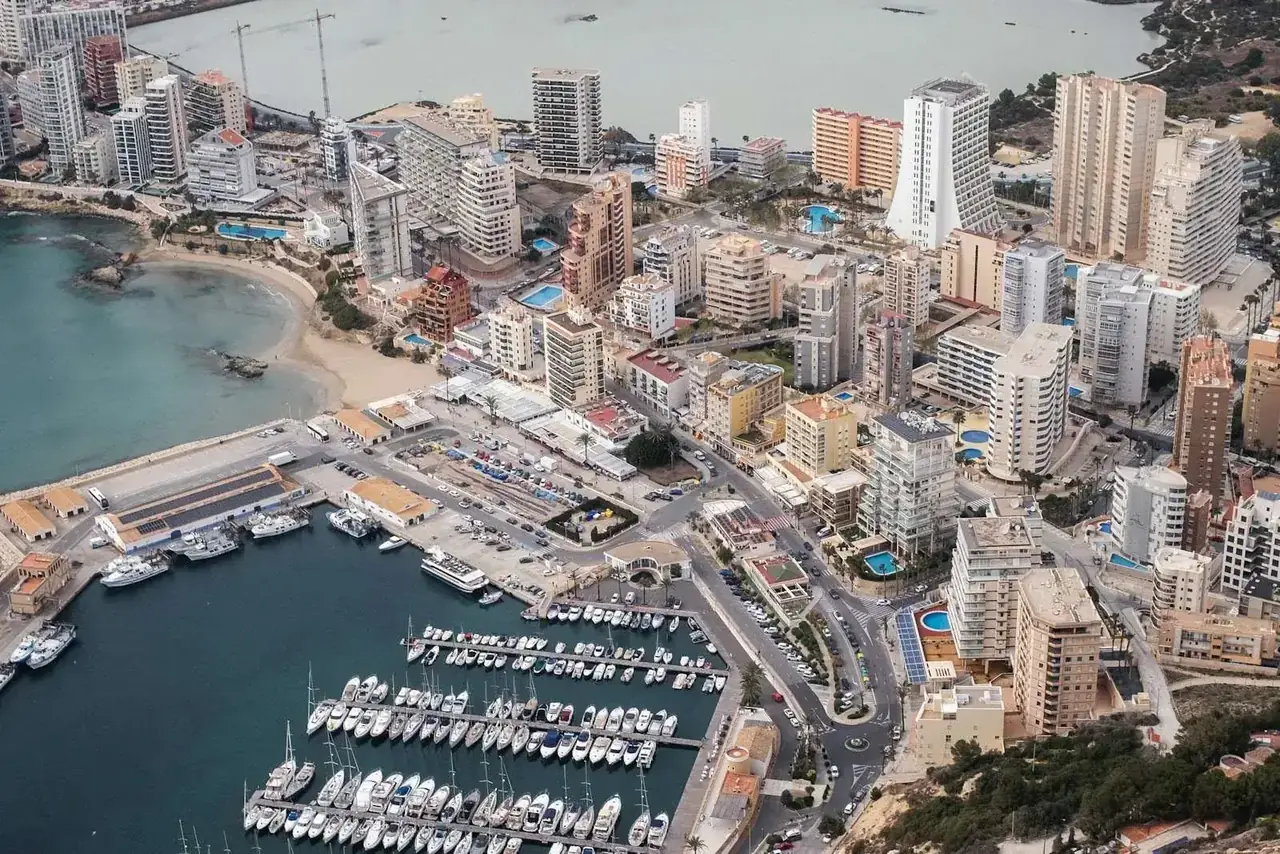
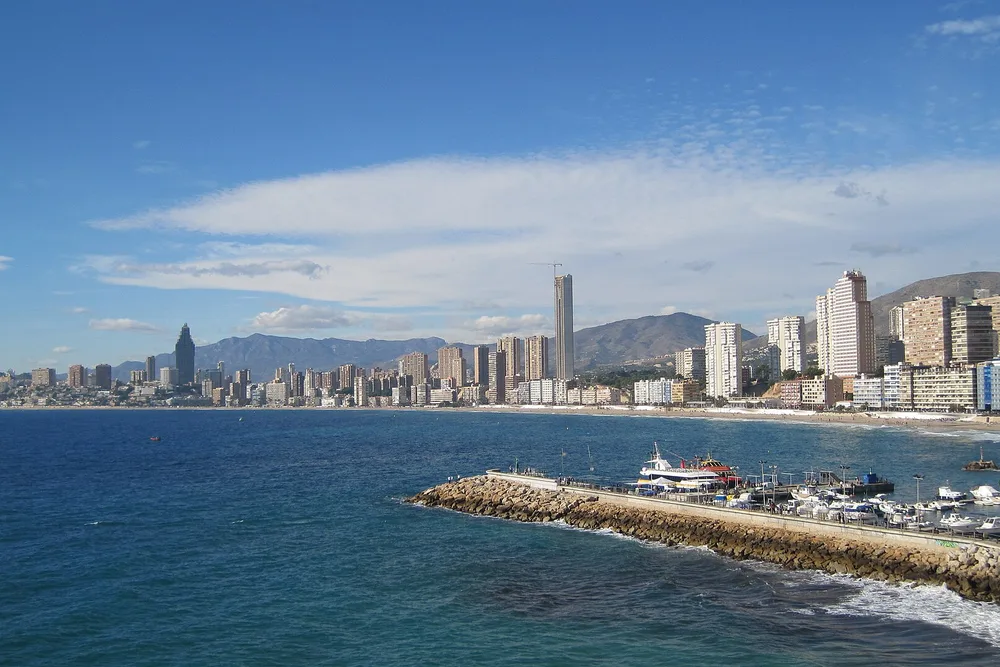
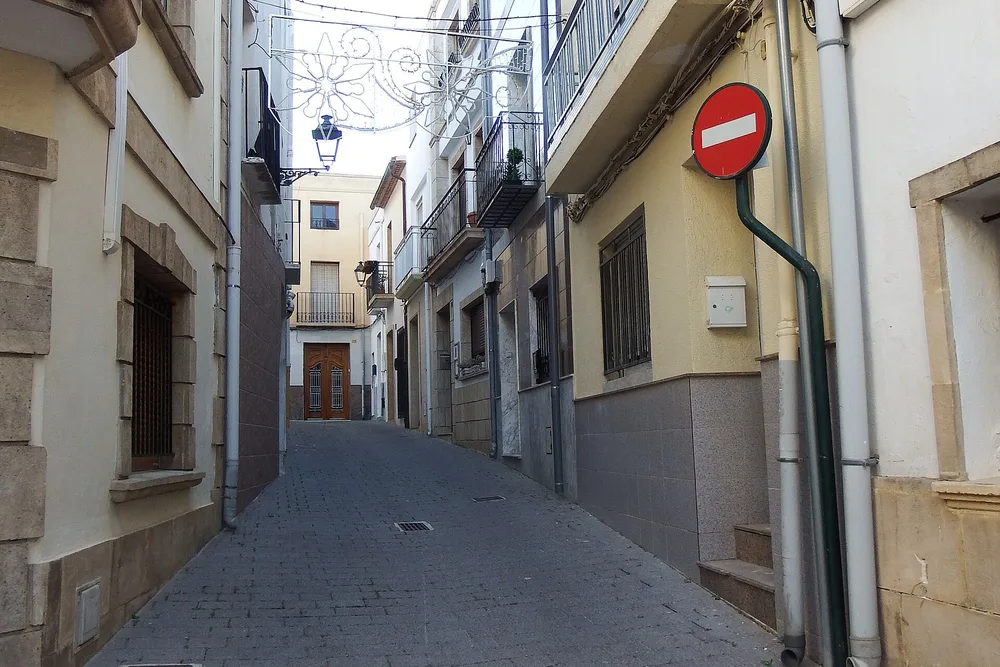
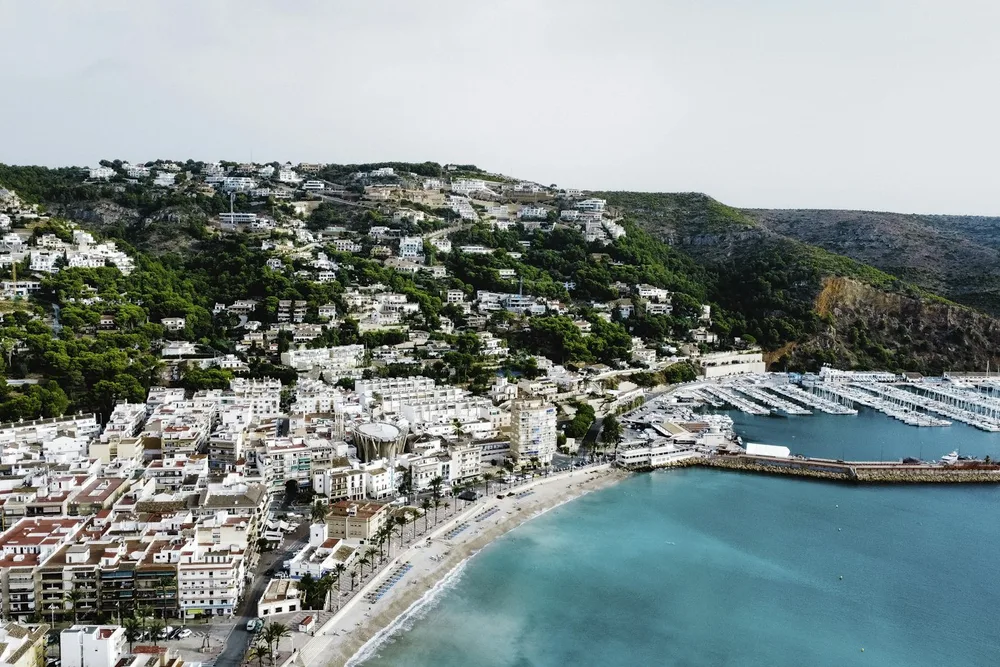
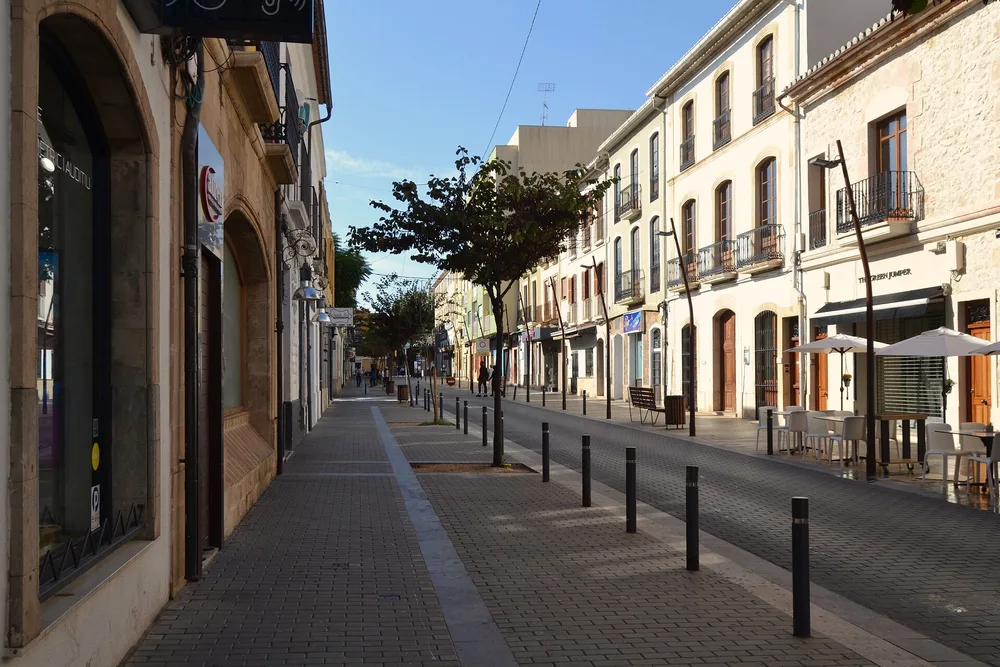
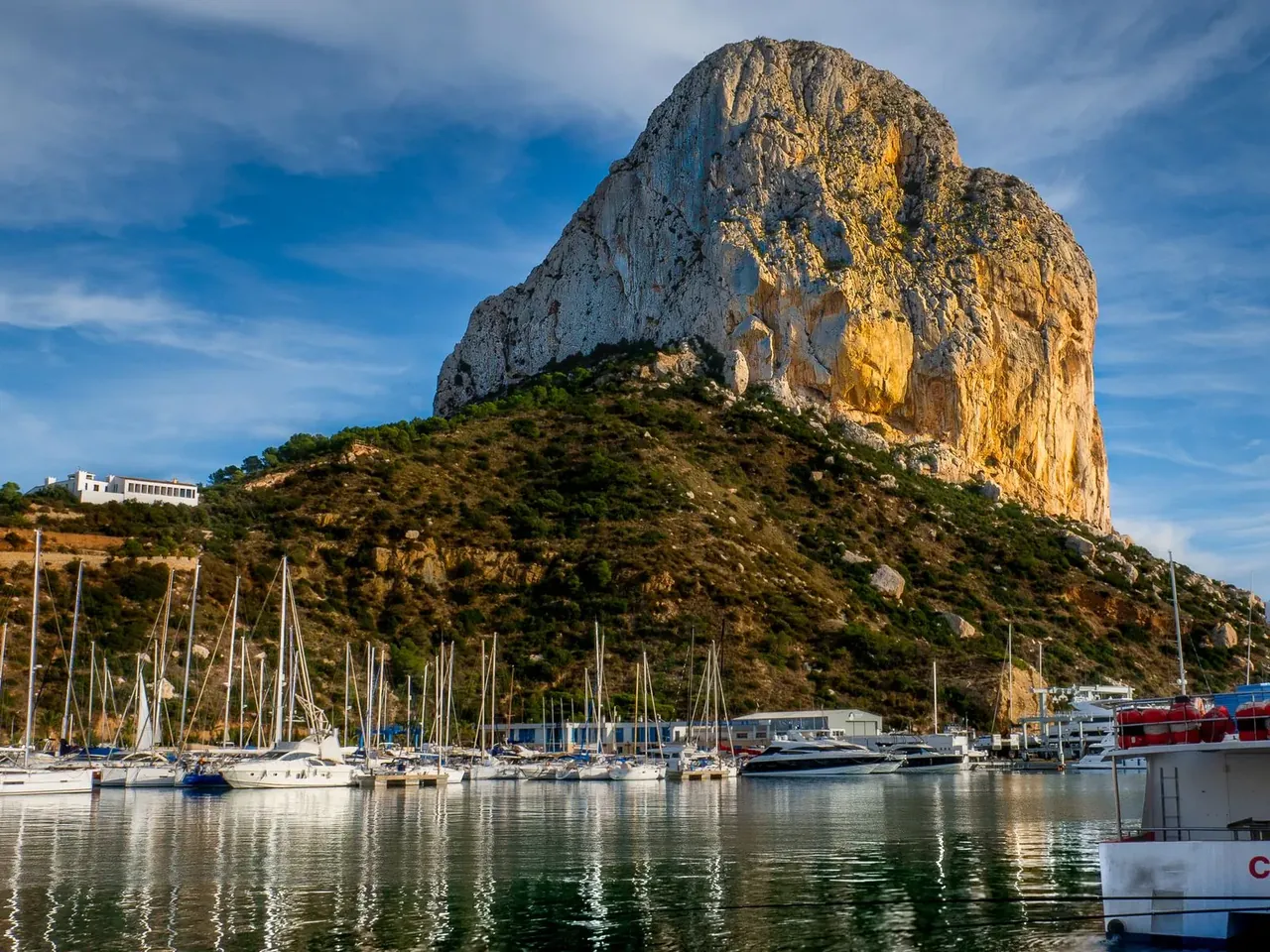
Aerial view of Calpe with the Peñón de Ifach, the beach coves and the apartment towers

Calpe · Area guide

Calpe

A real year-round town between the Peñón de Ifach and the Salinas wetland — with two fine-sand beaches, seven distinct buying environments and the highest tourist-dwelling share in the cited Alicante comparison.

Geographic scope

The Calpe Area

Aerial view of the Calpe coastline and cityscape with the Peñón de Ifach, Costa Blanca North, Spain

“Calpe” refers to the municipality of Calp/Calpe as a whole — including the town and its beaches, the port and the rock, as well as the urbanisations on the hillside behind.

  • Town & beachesCalpe Pueblo and the old town · Arenal-Bol · Las Salinas · Playa de la Fossa/Levante
  • Port & the rockThe fishing port · Peñón de Ifach area
  • Southern hillside & marinaManzanera–Tosal · Canuta · Maryvilla · Marina PortBlanc/Puerto Blanco
  • Cometa–CarrióGran Sol · Empedrola · Ortenbach · Bassetes
  • Gargasindi & OltamarGargasindi/Garduix/Estación · Oltamar–Cucarres
  • Outside the scopeAdjacent Benissa Costa, Altea and Moraira are used only as access or comparison context.

Municipal profile

Municipal profile, demand and distinctive character

Population
27,440
residents in 2025
Area
23.59km²
Density
1,170.52
residents/km²
Foreign-national share
54.1%

Where to Buy Property in Calpe

Where to Buy in Calpe: Areas and Local Character

Seven distinct buying environments — select one on the photo or in the list to see what each is like to buy in.

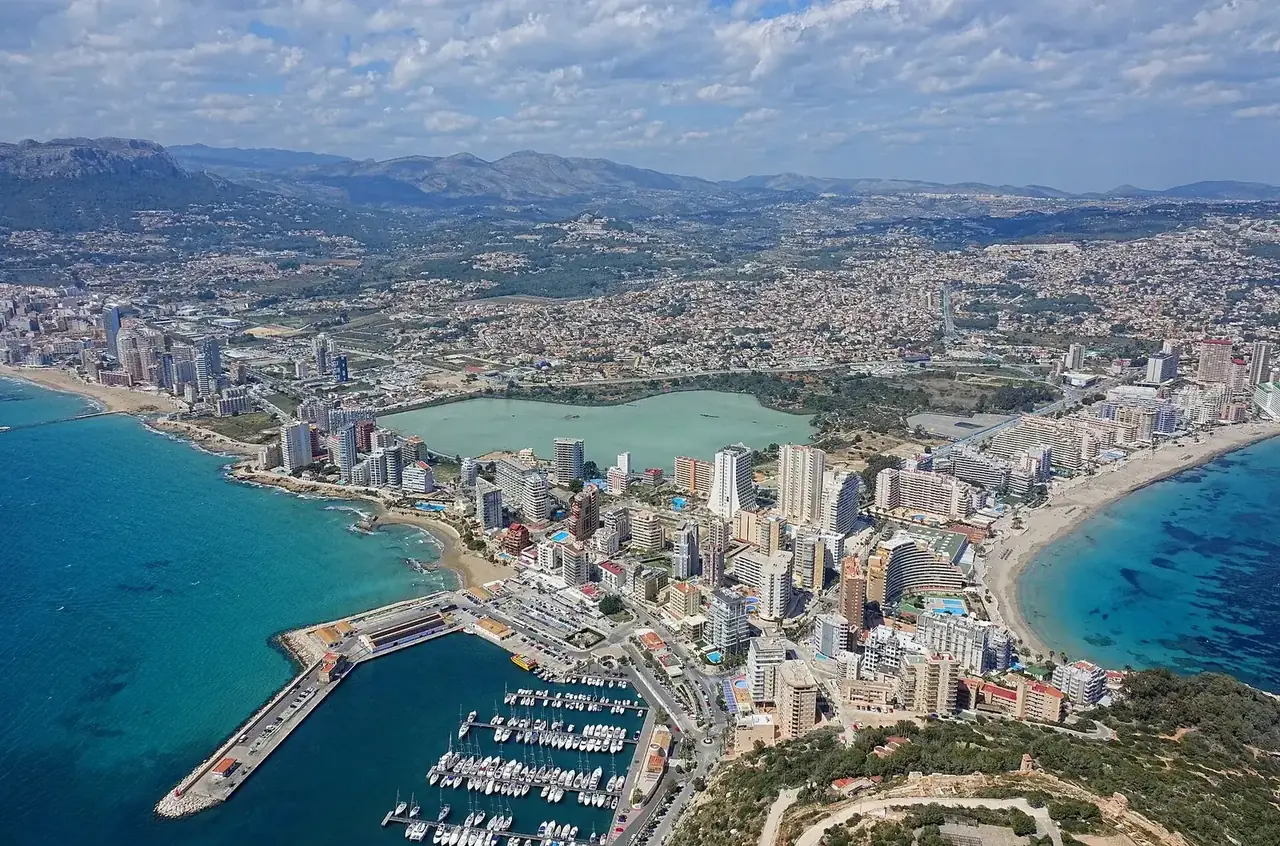
Aerial view over Calpe from the Peñón de Ifach — the town, its beaches and the hillside urbanisations, Costa Blanca North, Spain

Old-town character · walkable

Calpe Pueblo and the Old Town

01 / 07

Calpe’s practical year-round centre offers the strongest concentration of shops, services and municipal life, together with excellent daily walkability. Property ranges from older apartments and renovated units to a small niche of traditional townhouses, generally at a lower entry point than the prime beach areas.

Best for
Year-round town life
Property
Apartments & townhouses
Price level
Moderate
Getting around
Walkable
ValuePremium
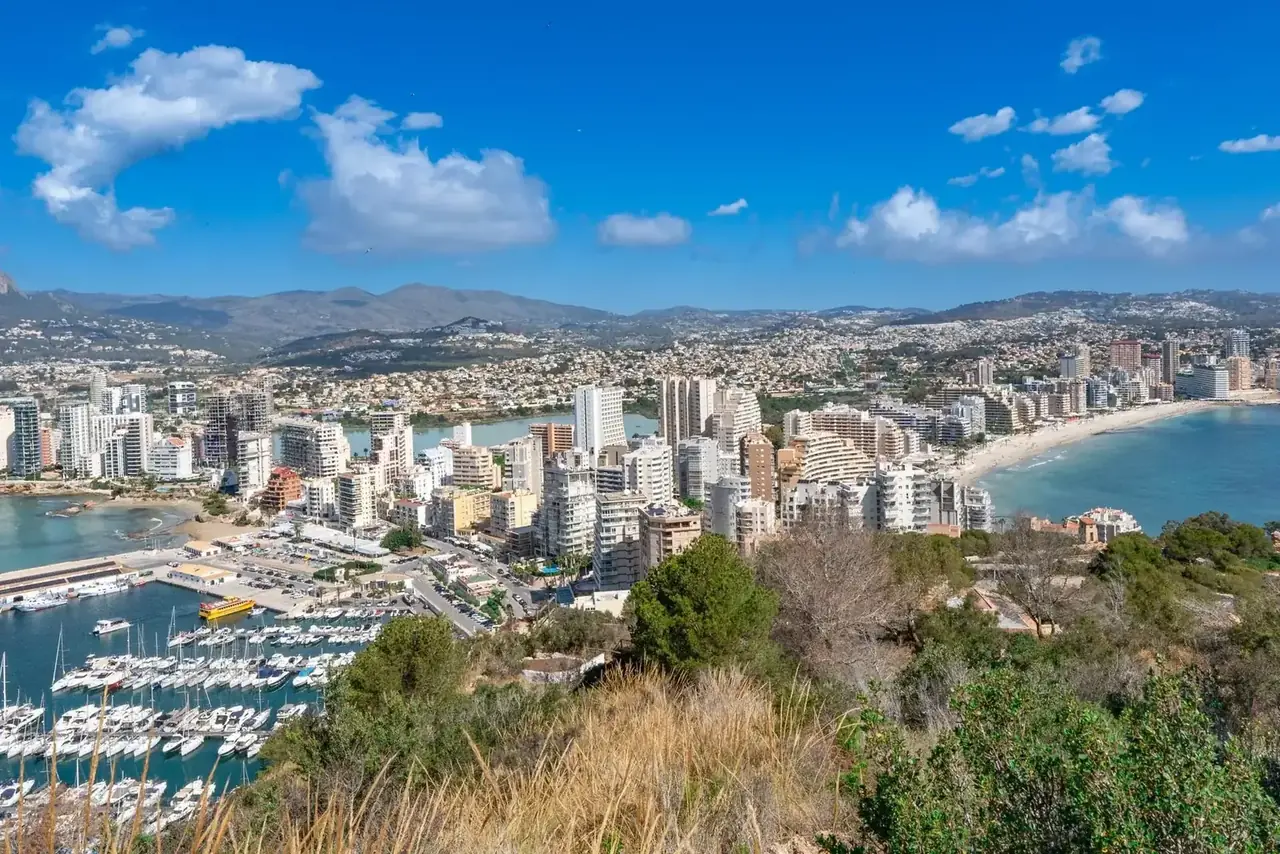
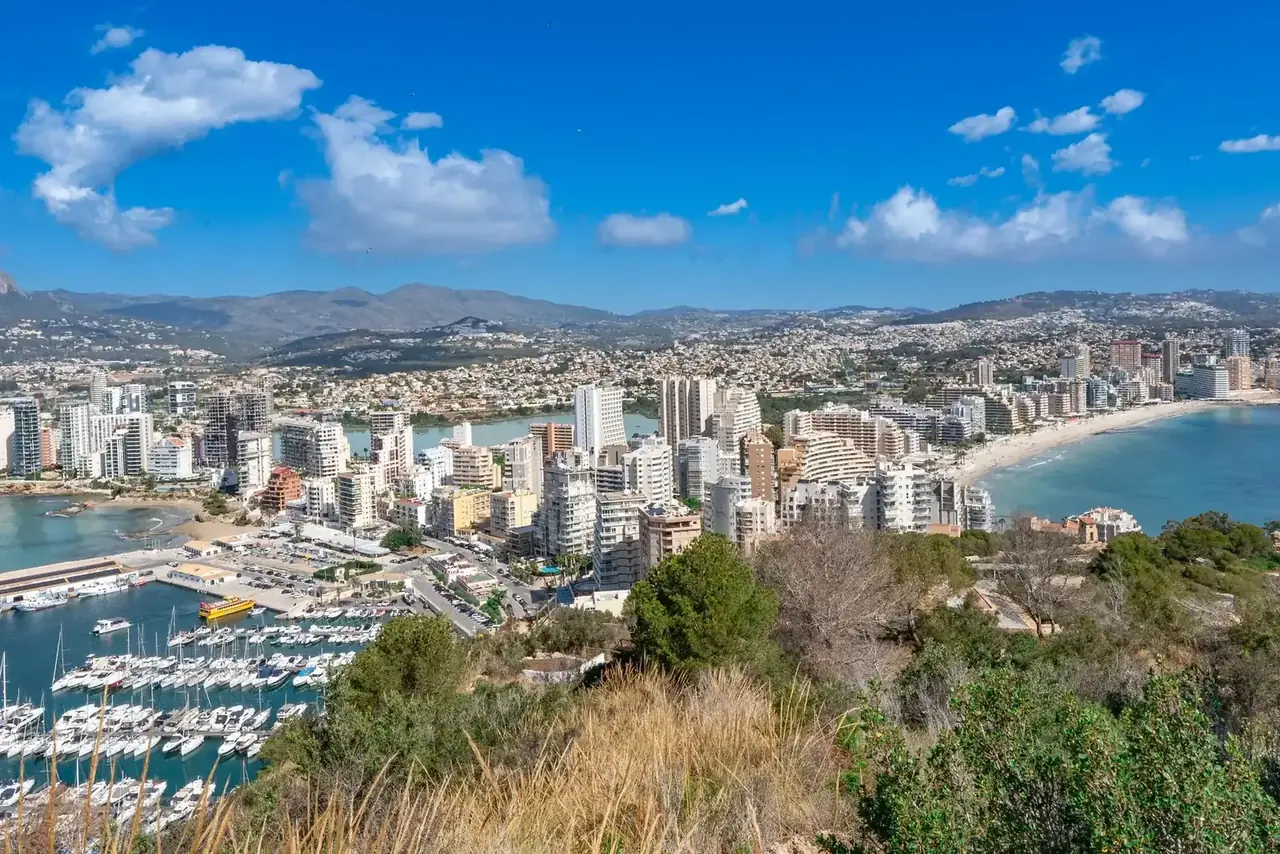
Aerial panorama of Calpe’s coastline — the town, its marina and beaches backed by mountains, Costa Blanca, Spain

Buyer fit

Who Calpe works for

Calpe suits buyers who want sandy beaches, a wide apartment and villa choice, strong holiday demand and an internationally established resort town—but the correct purchase depends on separating the high-rise beach market, the year-round centre, the architectural Manzanera niche and the dispersed villa urbanisations.

Buyer profiles Calpe suits well

  • Beach-first buyers

    Buyers who prioritise broad fine-sand beaches and a walkable holiday routine.

  • Choice seekers

    Buyers who want a large choice between high-rise apartments and detached villas.

  • International owners

    International second-home owners comfortable with a mature tourism market.

  • Practical families

    Families wanting practical services, supermarkets, restaurants, beaches and water sports close together.

  • Design collectors

    Architecture/design buyers drawn specifically to Manzanera’s Bofill ensemble.

  • Rental investors

    Rental investors who accept strict legal verification and seasonality.

Local conditions

Aerial view of the bay of Calpe with the Arenal-Bol beach, the Peñón de Ifach rock, the Salinas wetland and La Fossa beach, Costa Blanca, Spain
broad sandy urban beachessmaller covesharbour frontsrocky sectionssteep western slopes

    Accessibility

    • N-332 · main coastal corridor

    • TRAM Line 9

      Benidorm—Calp—Dénia

    • Alicante-Elche

      Airports · main

      Valencia · secondary

    • Walkable daily routine

      Arenal · Pueblo · Fossa · Puerto

    Rental suitability

    Verify before reservation

    • municipal urban-compatibility eligibility
    • Generalitat registration
    • community rules
    • habitation documentation
    • insurance + safety requirements
    • historical income is legal + repeatable

    Common buyer issues

    The Risks Buyers Often Overlook

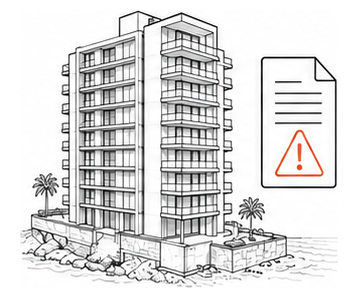
    1. 01Beach-tower community liabilitiesBeach-tower community liabilities
    2. 02Seasonal-rent misrepresentationSeasonal-rent misrepresentation
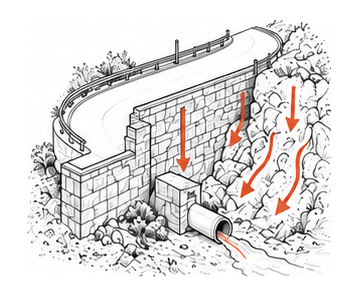
    3. 03Hillside access, retaining walls and drainageHillside access, retaining walls and drainage
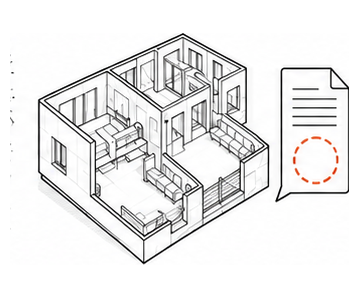
    4. 04Villa legality and split accommodationVilla legality and split accommodation
    5. 05Tourist-use assumptionsTourist-use assumptions
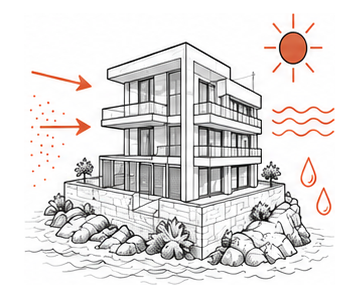
    6. 06First-line salt, wind, heat and water ingressFirst-line salt, wind, heat and water ingress
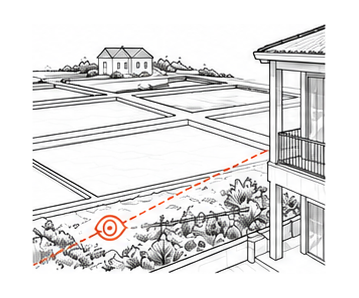
    7. 07Salinas-edge expectationsSalinas-edge expectations
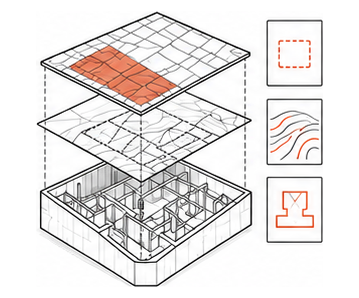
    8. 08Plot classification and hidden build costPlot classification and hidden build cost
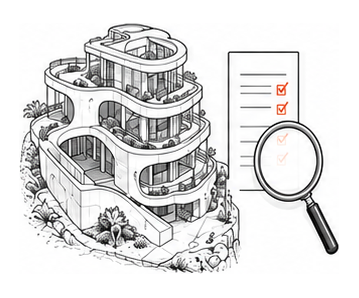
    9. 09Architectural-complex due diligence in ManzaneraArchitectural-complex due diligence in Manzanera
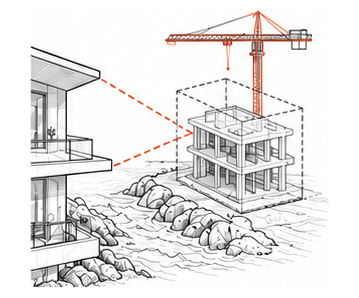
    10. 10Future-view and construction riskFuture-view and construction risk
    FAQ

    Frequently asked questions

    About the Location

    3
    • Where is Calpe located, and which region and province of Spain is it in?

      Calpe is a coastal municipality on the northern Costa Blanca, beside the Mediterranean Sea. It lies in the Marina Alta area of Alicante province, within the Valencian Community in eastern Spain. The municipality’s official Valencian name is Calp, while Calpe is its Spanish name and the form most commonly used internationally.

    • What is Calpe like, and what is it known for?

      Calpe is a Mediterranean resort and year-round residential town combining sandy beaches, a fishing harbour, a historic centre and modern seafront development. It is best known for the 332-metre Peñón de Ifach, the limestone rock dominating its coastline. Other landmarks include the salt lagoon, the Roman Baños de la Reina and buildings designed by Ricardo Bofill. Calpe becomes considerably busier during summer but retains shops, restaurants and essential services throughout the year.

    • What is the history of Calpe, Spain, and where does its name come from?

      Calpe’s history reaches back to the Bronze Age, followed by Iberian settlements and Roman coastal development at Baños de la Reina. The fortified Pobla de Ifach was established during the Middle Ages, while pirate attacks later shaped the walls and watchtowers of the present historic centre. Fishing, salt production and farming supported the economy until tourism transformed the town from the 1960s.

      The exact origin of the name is uncertain. Calp is generally considered a pre-Roman place name, possibly with Phoenician or Punic roots; Calpe is the Spanish form. Calp became the municipality’s sole official name in 2009, although Calpe remains widely used internationally.

    Population & Community

    4
    • What is the population of Calpe, and how does it change in summer?

      Calpe had 27,616 registered residents at the beginning of 2025, according to the municipal register figure proposed by Spain’s National Statistics Institute. The actual number of people present rises dramatically during the summer because of tourists, seasonal residents and second-home owners. On the busiest days, Calpe’s floating population can exceed 140,000—around five times its registered population. This seasonal increase affects traffic, parking, beaches and demand for public services.

    • Who lives in Calpe, and how large is the foreign community?

      Calpe has one of Spain’s largest foreign communities in percentage terms. The latest comparable INE figures show that approximately 53% of residents have foreign nationality. More than 90 nationalities are represented, including established communities from Britain, Romania, Germany, Ukraine, Russia, Colombia, France, the Netherlands and Belgium. The population includes local Spanish families, international retirees, working residents and property owners who divide their time between Calpe and their home country.

    • What languages are spoken in Calpe, and do you need to speak Spanish?

      Spanish and Valencian are Calpe’s official local languages and appear in schools, public administration and signage. English is widely understood in tourism, property, hospitality and many private medical services. Dutch, German and French are also commonly heard because of the international population. Visitors can usually manage without Spanish, but residents benefit greatly from learning it. Spanish is particularly useful for healthcare, banking, property management, official paperwork and communicating with local tradespeople.

    • Are there expat clubs and international community groups in Calpe?

      Yes. U3A Calpe runs English-language social, educational and recreational groups, while the Nederlands Vlaamse Vereniging Calpe organises year-round activities for Dutch and Flemish residents. Other organisations include the Association of Foreign Property Owners, French-speaking cultural groups and Ukrainian community associations. Activities range from language lessons and walking to dining, golf, bridge, art and charity work. Local sports and cultural clubs also provide opportunities to meet Spanish residents and integrate beyond the expat community.

    Areas & Neighbourhoods

    9
    • What are the best areas of Calpe for living and holidays?

      The best area depends on the lifestyle you want. Arenal-Bol combines beach access with easy walking distance to the town centre, while La Fossa is particularly convenient for beach holidays. The town centre and Old Town suit people wanting shops, restaurants and year-round services nearby. Canuta, Maryvilla, Cometa, Gran Sol and Empedrola offer quieter surroundings, villas and attractive views, although their steeper streets generally make a car more useful.

    • What are Calpe’s main residential urbanisations?

      Calpe has around 75 named urbanisations, meaning planned residential areas rather than separate villages. Well-known examples include Maryvilla, Canuta, Cucarres and Oltamar to the south and west; Cometa-Carrió, Gran Sol, Empedrola, Ortembach, Los Pinos and La Merced to the north and east; and Garduix, Enchinent, Pla Roig and Calpe Park closer to town. They differ considerably in elevation, property type, sea views and access to everyday services.

    • Where is the centre of Calpe, and what is the main street?

      Modern central Calpe lies between the Old Town and Arenal-Bol Beach, around Avenida Gabriel Miró, Plaza de la Constitución and the surrounding commercial streets. Avenida Gabriel Miró is generally considered the town’s main street. It runs downhill from the historic-centre area towards the seafront and contains a mixture of shops, cafés, banks, restaurants and everyday services. The Old Town forms a separate historic centre immediately uphill.

    • What is there to do in Calpe town centre?

      Calpe town centre is suitable for shopping, eating out and experiencing everyday local life away from the main beachfront areas. Visitors can explore Avenida Gabriel Miró, stop at its cafés and restaurants, browse local shops or continue uphill into the Old Town. Arenal-Bol Beach is also within walking distance. Plaza Mayor and other central public spaces regularly host concerts, fairs and community events, although programmes vary throughout the year.

    • Where are the main shopping streets and shops in central Calpe?

      Avenida Gabriel Miró is Calpe’s principal shopping street, with fashion shops, pharmacies, banks, cafés and independent local businesses. Additional shops are concentrated around Calle Corbeta, Calle Pintor Sorolla, Plaza de la Constitución and nearby pedestrian streets. Avenida de los Ejércitos Españoles has supermarkets and practical services, while the Arenal-Bol and La Fossa promenades contain beachwear, souvenir and convenience shops. Calpe mainly offers high-street and independent retail rather than large shopping centres.

    • Where is Calpe Old Town, and how do you get there?

      Calpe Old Town occupies a small hill immediately above the modern centre, around Plaza de la Villa and the Church of Nuestra Señora de las Nieves. From Avenida Gabriel Miró, walk uphill towards Plaza de la Constitución and continue through Calle Puchalt or Calle Santísimo Cristo. The walk from Arenal-Bol Beach normally takes around 10–15 minutes, although the final section includes slopes and steps. Driving through the narrow historic streets is not recommended.

    • What is there to do in Calpe Old Town?

      In Calpe Old Town, visitors can see the Torreó de la Peça, sections of the medieval walls, the Forat de la Mar gateway and the Gothic-Mudéjar Old Church beside Nuestra Señora de las Nieves. Other highlights include the colourful steps of Calle Puchalt, street murals, the History Museum and small traditional squares. The compact neighbourhood is also a pleasant place for tapas, dinner or an evening walk through its narrow streets.

    • Does Calpe have a seafront promenade, and how long is it?

      Calpe has two principal beachfront promenades rather than one uninterrupted walkway. The Arenal-Bol promenade follows a beach measuring approximately 1.2 kilometres, while the La Fossa promenade runs alongside its 950-metre beach. Together, they provide roughly 2.15 kilometres of main beachfront walking. Additional coastal routes continue around Cantal Roig, the fishing port and the one-kilometre Princess of Asturias ecological trail, although the Peñón de Ifach separates the two principal promenades.

    • Is Calpe walkable, and where are the best places for an evening stroll?

      Central Calpe is compact and generally easy to explore on foot. The town centre, Old Town, Arenal-Bol Beach, Baños de la Reina and fishing port are within reasonable walking distance of one another. However, the Old Town is uphill, and outer urbanisations such as Maryvilla and Empedrola can be steep and car-dependent. The best evening walks include the Arenal-Bol and La Fossa promenades, the harbour and Cantal Roig area, and the illuminated streets of the Old Town.

    Living & Lifestyle

    9
    • What are the best things to see and do in Calpe and the surrounding area?

      Climb or walk around the Peñón de Ifach, explore Calpe Old Town and visit Arenal-Bol and La Fossa beaches. Other highlights include the salt lake with its flamingos, the fishing port, Roman baths, coastal paths and Ricardo Bofill’s distinctive architecture. Popular day trips include Altea, Moraira, Benissa, Guadalest, the Algar waterfalls and the Sierra de Bernia mountains. Boat trips, cycling, diving and kayaking provide further options.

    • What is it like to live in Calpe, and is it a lively place year-round?

      Calpe offers a relaxed coastal lifestyle with beaches, restaurants, supermarkets, schools, healthcare and other everyday services. It remains active throughout the year because it has a substantial permanent Spanish and international population. Winter is quieter, but shops, restaurants and essential services continue operating. Summer is considerably busier, with more tourists, traffic and events. The centre is convenient and walkable, while hillside urbanisations offer more space but often require a car.

    • Is Calpe a party town, and what nightlife and entertainment does it offer?

      Calpe has an enjoyable nightlife scene, but it is not primarily a party resort like Benidorm. Entertainment centres on restaurants, cocktail bars, pubs, rooftop terraces, live music, karaoke and seasonal beach venues. The liveliest areas are the town centre and the promenades beside Arenal-Bol and La Fossa. Summer brings outdoor concerts, festivals and late-night events, while winter nightlife is quieter. Benidorm is the better choice for large nightclubs and all-night entertainment.

    • Is Calpe safe, including at night?

      Calpe is generally considered a safe destination for residents, families and visitors, including during the evening. Central streets, restaurant areas and seafront promenades are normally busy and well lit. However, normal precautions remain important: protect valuables on beaches and at markets, lock vehicles and avoid isolated or poorly lit areas late at night. Calpe increases its police presence during busy holiday periods. For any emergency in Spain, call 112.

    • Is Calpe a good place for families with children?

      Yes. Calpe is well suited to families because it combines sandy beaches, pedestrian areas, parks, playgrounds and a wide range of outdoor activities. Families can enjoy boat trips, easy coastal walks, museums, guided tours, water sports and wildlife watching at the salt lake. The town also provides schools, healthcare and year-round cultural activities. Beaches and central areas become crowded during July and August, so quieter families may prefer spring, early summer or autumn.

    • What schools and international education options are available near Calpe?

      Calpe has public nursery and primary schools, including CEIP Azorín, Gabriel Miró, Mediterrani and Oltà. Secondary education is available at IES Ifach and IES Les Salines, while CEE Gargasindi provides specialist education. State schools use Spanish and Valencian within their programmes. Nearby British and international options include Lady Elizabeth School in Cumbre del Sol, Xàbia International College in Jávea and Sierra Bernia School near Alfaz del Pi. Confirm admissions, fees and transport directly with each school.

    • Is Calpe a good place to retire?

      Yes, Calpe is a popular retirement destination because of its mild winters, beaches, walkable centre, healthcare facilities and established international community. Restaurants, shops and social activities remain available throughout the year. Retirees can choose central apartments close to services or quieter villas in the surrounding urbanisations. Potential disadvantages include summer crowds, steep roads in hillside areas and the need for a car outside the centre. Residency, healthcare and tax arrangements should be checked before moving.

    • What healthcare facilities are available in Calpe?

      Calpe has a public integrated health centre providing primary care and other medical services, plus a permanent clinic in La Fossa. The town also has pharmacies, dentists and private practices. HCB Calpe offers general medicine, specialist consultations, diagnostic services, physiotherapy and private emergency care during opening hours. More extensive public hospital treatment is normally provided through Dénia Hospital. Access to public healthcare depends on residency and entitlement; visitors should carry suitable travel or private medical insurance.

    • Is Calpe a good place for expats?

      Yes. Calpe has a large and diverse international community representing more than 90 nationalities, including residents from Britain, the Netherlands, Belgium, Germany and France. Multilingual businesses, social groups and international schools make settling in easier. The town also retains a strong Spanish identity through its markets, cuisine and festivals. Learning some Spanish is still valuable for administration, healthcare and integration. Employment is relatively tourism-focused, so prospective residents should consider work, residency, taxation and healthcare before moving.

    Beaches & Outdoor Life

    7
    • Which sea is Calpe on, and what is the water temperature there?

      Calpe lies on the western Mediterranean Sea. The water is coolest in February and March, when average temperatures are approximately 14–15°C, and warmest in August, when they commonly reach 25–27°C. Temperatures usually rise above 20°C during June and remain suitable for most recreational swimmers until October or early November. Exact conditions vary between years, so current beach forecasts should be checked before swimming.

    • What are the best beaches in Calpe, and are they sandy or rocky?

      Arenal-Bol and La Fossa are Calpe’s principal beaches, offering fine golden sand, calm water, promenades and extensive visitor facilities. Cantal Roig is a smaller sandy beach beside the fishing port and is particularly convenient for families. Calpe also has quieter rocky or pebbled coves. Cala El Racó and Les Bassetes are popular for snorkelling and diving, while Calalga combines fine sand with pebbles. The coastline therefore offers both accessible sandy beaches and more natural rocky coves.

    • What is the rock in Calpe called, and where is it?

      Calpe’s famous rock is called the Peñón de Ifach in Spanish and the Penyal d’Ifac in Valencian. This 332-metre limestone formation rises from a narrow peninsula between the fishing port and La Fossa Beach and is connected to the mainland by an isthmus. It forms part of the protected Penyal d’Ifac Natural Park and can be seen from almost anywhere along Calpe’s coastline.

    • What water sports can you do in Calpe?

      Calpe offers sailing, rowing, kayaking, paddleboarding, windsurfing, kitesurfing, water skiing, jet skiing, snorkelling, scuba diving, sport fishing and organised boat trips. Equipment rental, lessons and guided activities are available through the Real Club Náutico de Calpe, Les Bassetes marina and local licensed operators. Availability depends on the season and sea conditions. Visitors should use recognised providers and follow the beach safety flags, marked swimming zones and local navigation rules.

    • What are the best coastal walks and hiking routes in Calpe?

      For an easy walk, the one-kilometre Princess of Asturias ecological trail follows the base of the Peñón beside the sea. The Voramar-Borumbot route connects Arenal-Bol with La Manzanera, while the Voramar-Calalga trail continues towards Les Bassetes marina. Both take approximately one hour for a return walk. The Sierra de Oltà circuit is a longer inland option taking about two hours.

      The Peñón de Ifach summit route offers the most dramatic views, but the section beyond the tunnel is steep, rocky and slippery. As of August 2026, visitors must obtain a personal online reservation and check for weather, fire-risk or temporary access restrictions.

    • Why is Calpe so popular with cyclists?

      Calpe combines mild winters, limited rainfall and more than 300 days of sunshine with varied terrain. Cyclists can use relatively level coastal roads or tackle nearby climbs such as Cumbre del Sol, Coll de Rates, Tudons and Aitana. The town also has cycling-friendly hotels, bicycle storage, rental shops and mechanical support. These conditions attract amateur riders and professional European teams, particularly for winter training when northern Europe is colder and less suitable for outdoor cycling.

    • Where can you see flamingos in Calpe?

      Flamingos can be seen at Las Salinas de Calpe, the protected salt lagoon close to the Peñón de Ifach and behind the main coastal area. They can be observed from paths and viewing points around the wetland without entering the protected habitat. Flamingos and other water birds may be present throughout the year, although their numbers vary according to migration, water levels and weather. Early morning and late afternoon usually provide comfortable conditions for birdwatching and photography.

    Regional Context

    9
    • Is the Costa Blanca nicer than the Costa del Sol, and how do costs compare?

      It depends on the lifestyle you prefer. The Costa Blanca is generally quieter, less glamorous and better value, with family-friendly resorts and smaller coastal towns. The Costa del Sol offers more luxury developments, golf, nightlife and international services, particularly around Marbella and Málaga. Everyday costs are broadly comparable, but property and long-term rent are usually lower on the Costa Blanca. Premium northern Costa Blanca locations can still be expensive.

    • Which is more beautiful, the northern or southern Costa Blanca, and how do property prices compare?

      The northern Costa Blanca is more dramatic, with mountains, cliffs, wooded hills and small coves around Altea, Calpe, Moraira and Jávea. The south is flatter and known for long sandy beaches, salt lakes and large resort communities. Northern locations are generally more expensive because building land is limited and demand for villas and sea views is high. The southern and inland areas usually offer more affordable apartments and new developments.

    • Is Costa Blanca warm in winter?

      Yes. The Costa Blanca has mild, relatively sunny winters. Coastal daytime temperatures commonly reach approximately 15–19°C, although nights can fall below 10°C. The southern Costa Blanca is generally warmer and drier, while the north receives slightly more rain. Winter is suitable for walking, cycling and outdoor dining on sunny days, but the sea is cool and properties without adequate heating can feel cold during the evening.

    • What is the best seaside resort on the Costa Blanca?

      Calpe is one of the best all-round resorts because it combines sandy beaches, natural scenery, year-round services and an established international community. Benidorm is better for entertainment and family attractions, while Altea and Moraira suit visitors seeking a quieter atmosphere. Jávea is particularly good for coves and outdoor activities, and Dénia offers excellent food, a working town centre and ferry connections to the Balearic Islands.

    • What are the most beautiful towns and villages on the Costa Blanca?

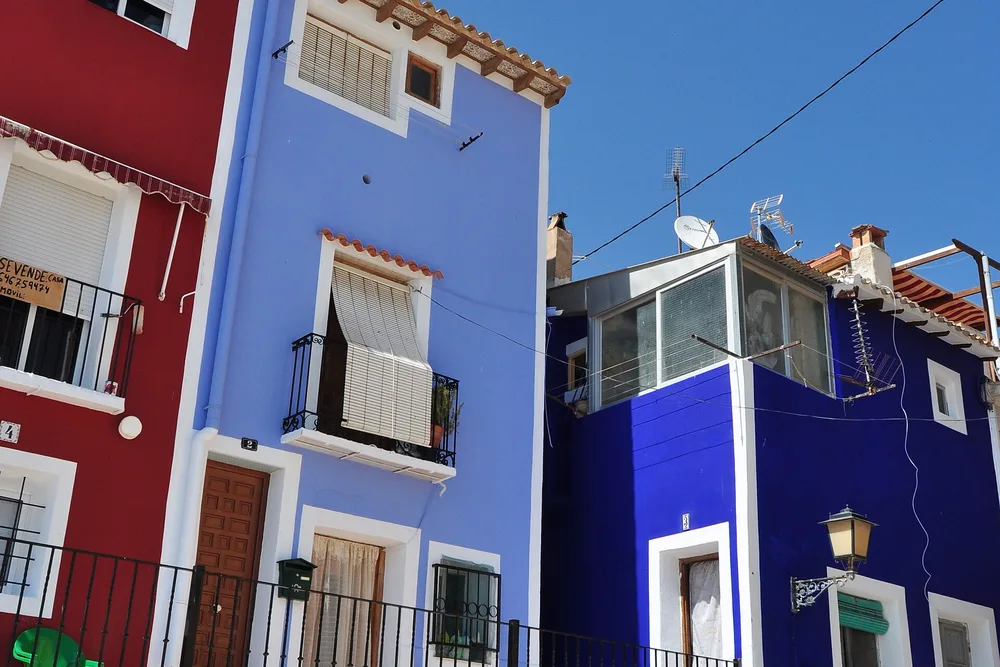
      Altea is famous for its whitewashed old town, while Jávea combines a historic centre, port and attractive coves. Calpe is known for the Peñón de Ifach and its distinctive coastline. Other beautiful places include Moraira, Dénia, colourful Villajoyosa and the mountain village of El Castell de Guadalest. Benissa, Polop and Altea la Vella offer a quieter and more traditional atmosphere.

    • What are the hidden gems of the Costa Blanca?

      Hidden gems include the coastal path and small coves of Benissa, Villajoyosa’s colourful old town, the traditional village of Altea la Vella and the mountain communities of Polop and Tàrbena. Other worthwhile places include Tabarca Island, Serra Gelada Natural Park and the quieter beaches around El Campello. Many of these destinations are accessible as day trips from Calpe.

    • Where do most expats live on the Costa Blanca?

      The largest international communities are concentrated around Torrevieja, Orihuela Costa, Rojales and Ciudad Quesada in the south. In the north, popular locations include Benidorm, L’Alfàs del Pi, Altea, Calpe, Moraira, Jávea and Dénia. British, Dutch, Belgian, German and Scandinavian residents are well represented. Alicante province also has Spain’s highest proportion of property purchases by foreign buyers.

    • What are the best places to live or retire on the Costa Blanca?

      Calpe and Dénia provide a strong balance of beaches, healthcare, shops and year-round activity. Altea, Moraira and Jávea suit people seeking attractive surroundings and a quieter lifestyle, although property prices are higher. Alicante is best for city services and transport connections. Torrevieja, Orihuela Costa and Rojales offer large international communities and generally more affordable housing. The final choice should consider healthcare, walkability and airport access—not scenery alone.

    • What are the most expensive and affordable places on the Costa Blanca?

      Jávea, Moraira, Altea, Benitachell and Calpe are among the more expensive markets, especially for new villas, beachfront homes and properties with sea views. More affordable coastal options can be found around Torrevieja, Santa Pola and Pilar de la Horadada. Inland towns such as Rojales, Los Montesinos and Almoradí generally offer lower prices and more space. Prices vary substantially between neighbourhoods, so municipal averages should only be used as a general guide.

    Culture & Local Events

    6
    • What are the main festivals and traditions in Calpe?

      Calpe’s main celebrations include Fallas in March, the Bonfires of Saint John in June, the maritime festival of Virgen del Carmen on 16 July and the patronal fiestas of Virgen de las Nieves in early August. The largest historical celebration is the Moors and Christians Festival in October, featuring elaborate parades, music, costumes and battle re-enactments. Calpe also celebrates Holy Week, Three Kings and several smaller religious and neighbourhood festivals.

    • When is the Moors Festival held in Calpe?

      The Moors and Christians Festival—officially Moros y Cristianos—is held every October in honour of Santísimo Cristo del Sudor. The main programme normally takes place during the second half of the month and includes the grand parade, Moorish landing, symbolic battles and the traditional El Miracle performance. Exact dates vary annually, so check the official festival programme before planning your visit.

    • What events are held in Calpe’s Plaza Mayor?

      Plaza Mayor hosts many of Calpe’s major public celebrations. These include concerts, children’s shows, fireworks, religious ceremonies and events connected with the Virgen de las Nieves fiestas. During the Moors and Christians Festival, the square hosts the opening proclamation, raising of the banners and El Miracle historical re-enactment. Other cultural activities are organised throughout the year, so the programme varies by season.

    • What day is market day in Calpe, and when is the summer market held?

      Calpe’s weekly markets are held on Saturday mornings throughout the year, normally from 08:00 to 13:30 at the Calle Petit car park and Avenida de Rumanía. They sell fruit, vegetables, clothing, footwear and household goods. Summer craft markets usually operate during the evenings from June to September near Arenal-Bol and La Fossa beaches. Seasonal locations and opening times may change.

    • Can visitors watch the fish auction at Calpe’s port, and when is it held?

      Yes. Visitors can normally watch the fish auction from the viewing walkway inside Calpe’s fish market. Auctions take place from Monday to Friday at around 17:00 and last approximately two hours. Fishing boats unload their daily catch before boxes of fish and seafood pass through the electronic auction. Auctions may be cancelled during public holidays, fishing closures or bad weather, so confirm access before visiting.

    • What traditional dishes should you try in Calpe?

      Start with Llauna de Calp, a local dish prepared with fish from the bay, potatoes and tomatoes. Another speciality is arròs del senyoret, a seafood rice dish served with the fish and shellfish already peeled. Other traditional choices include octopus stew (putxero de polp), paella, baked rice and rice with beans and turnips. Local bakeries also sell sweet and savoury pastries known as cocas.

    Weather & Seasons

    6
    • When is the best time to visit Calpe?

      May, June, September and early October offer the best balance of warm weather, comfortable temperatures and fewer crowds. July and August are best for beach holidays but are hotter, busier and more expensive. March, April, late October and November are particularly suitable for walking, cycling and sightseeing. Winter is quieter and mild, although swimming and evening weather are less predictable.

    • What is the climate like in Calpe throughout the year, and which months are the hottest and coldest?

      Calpe has a Mediterranean climate with hot, dry summers and short, mild winters. July and August are the hottest months, with typical daytime highs around 30–31°C and warm nights. January is normally the coldest month, averaging approximately 16–17°C during the day and 7–8°C at night. Spring and autumn are pleasantly warm but have more changeable weather.

    • Does Calpe, Spain, have a rainy season?

      Calpe does not have a long, continuous rainy season. Rainfall is irregular and concentrated mainly in autumn, especially from September to November, with a smaller rainy period in spring. Most days may remain dry, but Mediterranean storms can produce intense rainfall within a few hours. July is normally the driest month. Annual conditions vary considerably from one year to another.

    • What is Calpe like in winter, and is it a good place to spend the winter?

      Calpe is a good winter destination for people seeking mild weather, sunshine and a quieter lifestyle. Shops, supermarkets, healthcare facilities and many restaurants remain open throughout the year. Daytime conditions are often suitable for walking and cycling, but evenings can be cool. Choose accommodation with heating, good insulation and winter sun because some coastal properties can feel cold or damp indoors.

    • What are the weather and temperatures like in Calpe from November to February?

      November typically has average highs around 20°C and lows near 11°C. December averages approximately 17°C during the day and 8°C at night. January and February usually reach 16–17°C, with night-time temperatures around 7–8°C. Sunny days can feel warmer, but wind, rain and unheated interiors occasionally make the weather feel considerably cooler.

    • Does Calpe experience flooding or other extreme weather?

      Yes, although serious events are occasional. Calpe can experience torrential rain, flash flooding and coastal storms during Mediterranean DANA weather systems. Summer heatwaves, strong winds and wildfire risk are also possible. Flood exposure varies significantly between streets and plots, particularly near ravines, low-lying land and the salt lake. Property buyers should check official flood-risk mapping and insurance availability for the specific address.

    Property & Cost of Living

    13
    • Is Calpe expensive to live in, including eating out?

      Calpe is more expensive than many inland Spanish towns, mainly because housing costs are driven by international demand and tourism. However, everyday groceries and local services remain cheaper than in many British, Dutch and Belgian cities. Eating out can be affordable at local cafés and restaurants offering a menú del día, while seafront restaurants and international venues are noticeably more expensive.

    • Is Calpe expensive to buy property?

      Calpe is one of the more expensive property markets in Alicante province. Idealista-based data placed the average asking price at approximately €3,545 per square metre in May 2026, although prices vary considerably by area and property type. Beachfront apartments, new developments and villas with sea views command the highest prices, while older properties away from the coast are generally more affordable. These are asking prices, not final sale prices.

    • Is Calpe a good place to buy property?

      Calpe can be a good place to buy for permanent living, retirement or regular holidays. It offers year-round services, established international communities, beaches and a wide selection of apartments and villas. Demand is strong, but prices are already relatively high and rental income is not guaranteed. Buyers should base their decision on personal use, affordability and long-term plans rather than expecting automatic capital growth.

    • Which areas of Calpe are best for buying an apartment or villa?

      Arenal-Bol and the town centre suit buyers wanting apartments within walking distance of shops and the beach. La Fossa is popular for beachfront apartments and holiday use, while Cantal Roig offers access to the port and both main beaches. For villas, consider Cometa-Carrió, Gran Sol, Canuta, Maryvilla, Empedrola and Oltamar. Hillside areas often provide better views and privacy but may require a car and have steep access roads.

    • Can foreigners buy property in Calpe?

      Yes. EU and non-EU citizens can normally buy property in Calpe without becoming Spanish residents. Buyers need a Spanish foreigner identification number, known as an NIE, and usually open a Spanish bank account. British buyers should remember that owning property does not automatically provide Spanish residency or unrestricted stays. Certain non-EU purchases in defence-restricted zones can require additional checks, so an independent lawyer should verify the specific property.

    • What taxes and additional costs are involved in buying property in Calpe?

      For resale property, the standard Valencian transfer tax is currently 9%, rising to 11% when the taxable value exceeds €1 million. New-build homes normally carry 10% VAT plus 1.4% stamp duty. Buyers must also budget for the notary, Land Registry, independent lawyer and, where applicable, mortgage valuation. A practical allowance is approximately 10–12% above the price for a standard resale and 12–14% for a new build.

    • Can you rent out a property in Calpe, and do you need a tourist licence?

      Yes, but tourist rentals are strictly regulated. In the Valencian Community, letting an entire property to the same guest for ten days or fewer is generally treated as tourist accommodation. The property normally needs favourable municipal planning confirmation, Valencian tourist registration and a national registration number for advertising on online platforms. New tourist activity in an apartment building also requires express approval from the owners’ community. Never assume an existing licence transfers with the sale.

    • Can foreign buyers get a mortgage to buy property in Calpe?

      Yes. Spanish banks offer mortgages to both resident and non-resident foreign buyers. Non-residents can commonly borrow around 60–70% of the lower of the purchase price or bank valuation, meaning they need funds for the remaining price plus taxes and costs. Approval depends on income, existing debts, age, credit history and the currency in which income is earned. Obtaining a mortgage decision before paying a non-refundable deposit is advisable.

    • What are the annual costs of owning property in Calpe?

      Typical annual expenses include municipal property tax or IBI, waste charges, home insurance, utilities, maintenance and community fees for apartments or developments. Owners may also face special community assessments for major building repairs. Non-resident owners generally pay Spanish non-resident income tax even when the property is empty or used personally; rental income is taxed separately. Villas with pools and gardens usually cost more to maintain than apartments.

    • Is it better to buy a new-build or resale property in Calpe?

      New builds offer modern layouts, better energy efficiency, warranties and fewer immediate repairs, but they usually cost more and carry 10% VAT plus stamp duty. Resale properties may offer larger rooms, established locations and greater scope for negotiation, but buyers must check their condition, energy efficiency and whether alterations are legally registered. The better option depends on budget, location, timescale and willingness to renovate.

    • What are the most common problems when buying a house in Spain?

      Common problems include signing a reservation contract before legal checks, undisclosed debts, unregistered extensions or swimming pools, planning restrictions and differences between the property, Land Registry and Cadastre records. Buyers may also overlook community arrears, special assessments, occupancy documentation or tourist-rental restrictions. An independent Spanish lawyer should check ownership, charges, planning status, licences, taxes and community records before any non-refundable contract is signed.

    • What are the disadvantages of owning a second home in Spain?

      A second home creates ongoing costs even when it is empty, including taxes, insurance, utilities, community fees, security and maintenance. Non-residents also face Spanish tax declarations and possible currency fluctuations. Holiday rentals require administration, professional management and regulatory compliance. Other disadvantages include summer congestion, limited personal use, unexpected building assessments and the time required to sell. These costs should be compared with renting whenever you visit.

    • How can I spend the winter in Calpe cheaply?

      Renting from November to March is usually cheaper than booking short holiday stays. Look for a monthly rental in the town centre or slightly inland, where you can walk to shops and avoid hiring a car. Confirm whether electricity, internet and heating are included, as winter utility bills vary. Cooking at home, using local supermarkets, choosing menú del día restaurants and enjoying free beaches, promenades and hiking routes can keep costs manageable.

    Transport & Accessibility

    12
    • Does Calpe have its own airport, and which airport is closest?

      Calpe does not have an airport. Alicante–Elche Miguel Hernández Airport is the closest, approximately 70–77 kilometres away by road. Valencia Airport is around 125–130 kilometres away. Alicante Airport is usually the most convenient because it offers direct coaches, shared shuttles, car hire and a wider choice of transfers to Calpe.

    • How far is Calpe from Alicante Airport, how long is the transfer, and is there a direct bus or shuttle?

      Alicante Airport is approximately 70–77 kilometres from Calpe. Driving normally takes 55–70 minutes, although summer traffic can increase the journey time. ALSA operates direct airport-to-Calpe coaches with intermediate stops, and shared or private shuttle services are also available. Booking in advance is recommended, particularly for early, late or peak-season flights.

    • How far is Calpe from Valencia Airport, and how can I get there?

      Valencia Airport is approximately 125–130 kilometres from Calpe. The drive usually takes around 1 hour 30 minutes. Public transport is slower: limited direct coaches may operate on selected dates, while other journeys require taking the metro into Valencia and then an intercity coach to Calpe. There is no direct railway service, so Alicante Airport is normally more convenient.

    • Does Calpe have a train or tram station, and is there a direct service from Alicante?

      Calpe has a TRAM d’Alacant station served by Line 9, but no national railway station. Line 9 connects Calpe with Benidorm, Altea, Benissa, Teulada and Dénia. There is no direct tram from Alicante: passengers take Line 1 from Luceros to Benidorm and change to Line 9. Calpe station is outside the main centre but is connected by local bus and taxi.

    • How far is Calpe from Alicante, and how can I get there?

      Calpe is approximately 65 kilometres from Alicante city. Driving normally takes 50–65 minutes. Direct ALSA coaches are available, with the fastest journeys taking around 1 hour 25 minutes. The TRAM is another option, but it requires changing from Line 1 to Line 9 in Benidorm and generally takes more than two hours.

    • How can I get to Calpe by car, and can I park for free there?

      Calpe is reached via the AP-7 motorway or the coastal N-332 road. Free parking is available in white-marked spaces and some public parking areas. Blue and orange zones have regulated conditions, while spaces near the centre and beaches become difficult to find during summer. Check local signs carefully because charges, permitted stays and operating hours vary by location and season.

    • How do I get around Calpe by public transport, and is Uber available?

      Central Calpe, the old town and Arenal-Bol Beach are easy to explore on foot. Autobuses Ifach operates local routes connecting the centre, beaches, residential areas and the bus and TRAM stations. Uber is available in Calpe, sometimes using licensed local taxis, although waiting times can be longer than in major cities. A car is useful for hillside urbanisations and nearby coves.

    • How far is Calpe from Benidorm, how long does it take, and how can I get between them?

      Benidorm is approximately 24 kilometres from Calpe. Driving normally takes 25–30 minutes. Direct ALSA coaches generally take around 25–45 minutes, depending on the number of stops. TRAM Line 9 also connects the two towns directly. Taxis are faster door to door but considerably more expensive than the coach or tram.

    • Is there a direct train or tram between Benidorm and Calpe, and how long does it take?

      Yes. TRAM Line 9 runs directly between Benidorm and Calpe without requiring a change. The journey takes approximately 35–40 minutes, and services normally operate about once an hour. Calpe’s station is inland from the town centre and beaches, so allow additional time for a local bus, taxi or walk.

    • How far is Altea from Calpe, and how do I get there by train or tram?

      Altea is approximately 12 kilometres from Calpe. Driving normally takes 15–20 minutes. TRAM Line 9 provides a direct journey of approximately 20–25 minutes, and direct buses are also available. Altea station is close to the seafront and lower town, while the historic old town requires an uphill walk.

    • How far is Moraira from Calpe, and how can I get there?

      Moraira is approximately 12–15 kilometres from Calpe, with a driving time of around 20–25 minutes. Moraira does not have a tram station. Autobuses Ifach Line 3 connects Calpe with Moraira and Teulada, but departures can be limited. A car or taxi is more flexible, especially when visiting the coves and residential areas between the two towns.

    • How far is Denia from Calpe, and how can I get there?

      Dénia is approximately 36 kilometres from Calpe by road. Driving normally takes 35–45 minutes. TRAM Line 9 provides a direct service taking approximately 45–60 minutes. Direct ALSA coaches are also available, although journeys usually take between 1 hour 15 minutes and 1 hour 55 minutes because of intermediate stops.

    Nearby Places & Comparisons

    6
    • What are the best towns and villages to visit near Calpe?

      The best nearby destinations include Altea for its whitewashed Old Town, Benissa for traditional architecture, Moraira for its marina and relaxed atmosphere, and Jávea for beaches, coves and coastal scenery. Dénia offers a castle, historic neighbourhoods and excellent gastronomy, while Villajoyosa is known for its colourful seafront houses. Inland, Guadalest is a spectacular mountain village that can be combined with the nearby Algar waterfalls.

    • Which is better, Calpe or Altea, and how do costs compare?

      Choose Calpe for sandy beaches, family facilities, outdoor activities and a wider selection of seafront apartments. Choose Altea for its artistic atmosphere, picturesque hilltop Old Town and quieter, more romantic character. Everyday costs and restaurant prices are broadly similar. Property in Altea is often slightly more expensive, particularly in Altea Hills and other sea-view areas, although premium beachfront homes in Calpe can be equally costly. Calpe generally offers more choice across different budgets.

    • Which is better, Calpe or Benidorm, and how do costs compare?

      Calpe is better for a relaxed beach lifestyle, natural scenery, cycling and family holidays. Benidorm offers more nightlife, entertainment, theme parks, shopping and public transport. Both have extensive sandy beaches, but Benidorm feels larger and considerably busier. Restaurant and holiday costs vary widely in both towns. Recent market data suggests purchase prices can be slightly higher in Calpe, while long-term rents are often higher in Benidorm. Prime beachfront properties are expensive in both locations.

    • Which is better, Calpe or Moraira, and how do costs compare?

      Calpe is more practical for year-round living, with larger beaches, more shops, public services and a wider range of apartments. Moraira is smaller, quieter and more exclusive, with a low-rise centre, marina, attractive coves and many detached villas. Moraira is generally more expensive for property, especially around El Portet and other premium coastal areas. Restaurants and holiday accommodation can also be more upmarket. Calpe normally provides more options for buyers and visitors with moderate budgets.

    • Which is better, Calpe or Jávea, and how do costs compare?

      Calpe is more compact and convenient for people who want to walk between beaches, shops and restaurants. Jávea offers a greener, lower-rise environment divided between its Old Town, port and Arenal beach, together with numerous coves and headlands. A car is more useful in Jávea because the area is spread out. Property prices are generally higher in Jávea, particularly for villas and homes near popular coves. Everyday living costs are similar, but Calpe usually has more affordable apartment options.

    • Which is nicer, Calpe or Denia, and how do costs compare?

      Calpe is better for a compact resort lifestyle centred on sandy beaches and the Peñón de Ifach. Dénia feels more like a traditional working Spanish town, with a castle, larger historic centre, ferry port, extensive beaches and a renowned restaurant scene. Dénia also offers a broader range of year-round urban services. Property is generally somewhat less expensive in Dénia, although premium homes beside Les Rotes or the marina can be costly. Everyday expenses are comparable, with Dénia offering more budget variety.

    On the map

    Calpe on the map

    Calpe lies on the Costa Blanca in the province of Alicante, beneath the Peñón de Ifach.

    Browse by location

    Choose your Area Guide

    Each area has its own buyer logic: character, housing stock and entry prices differ.

    Panoramic view of Altea at golden hour: houses of the town cascading along the bay, the marina and curving coastline, with the sea and the Sierra de Bernia mountain in the backgroundPremium · calm

    Altea

    Premium, cultural and calm — the white old town, the church plaza and a slow seafront paseo set the tone.

    Sunny plaza with palm trees and whitewashed houses in the historic centre of La NucíaResidential · sport

    La Nucía

    Residential, sport and family — inland of Altea, good value and facilities.

    Villas and apartment blocks of El Albir, the coastal area of Alfaz del Pi, on the clifftop above the turquoise seaInternational · permanent

    Alfaz del Pi

    International, healthcare and permanent living — strong year-round community.

    White houses and the church bell tower of Polop beneath the Puig Campana mountainInland · value

    Polop

    Inland village with mountain views — more house for the budget, a short drive to the coast.

    Aerial view of Benitachell: the town and its church tower with the Mediterranean in the distanceQuiet · coastal

    Benitachell

    Quiet coastal living between Moraira and Javea, with dramatic clifftop spots.

    Denia old town and its castle on the hill above the coast at golden hourPort · north gateway

    Denia

    Port town at the north end of the Costa Blanca, with ferry links and a real working feel.

    To the listings

    Explore Property for sale in Calpe

    Nothing in Calpe stands apart from the Peñón: the apartment front along Arenal-Bol and the harbour, the salt flats in between, and villa districts climbing the Sierra de Olta. Asking prices per property type tell you what each world at the foot of the rock costs.

    Property for sale in Calpe

    Contact Altea Casas

    Looking for a property on the Costa Blanca? Tell us what you’re looking for, and our team will get back to you shortly.

    Send Us a Message

    Data protection information under the General Data Protection Regulation (EU) 2016/679 (GDPR) — read more.